
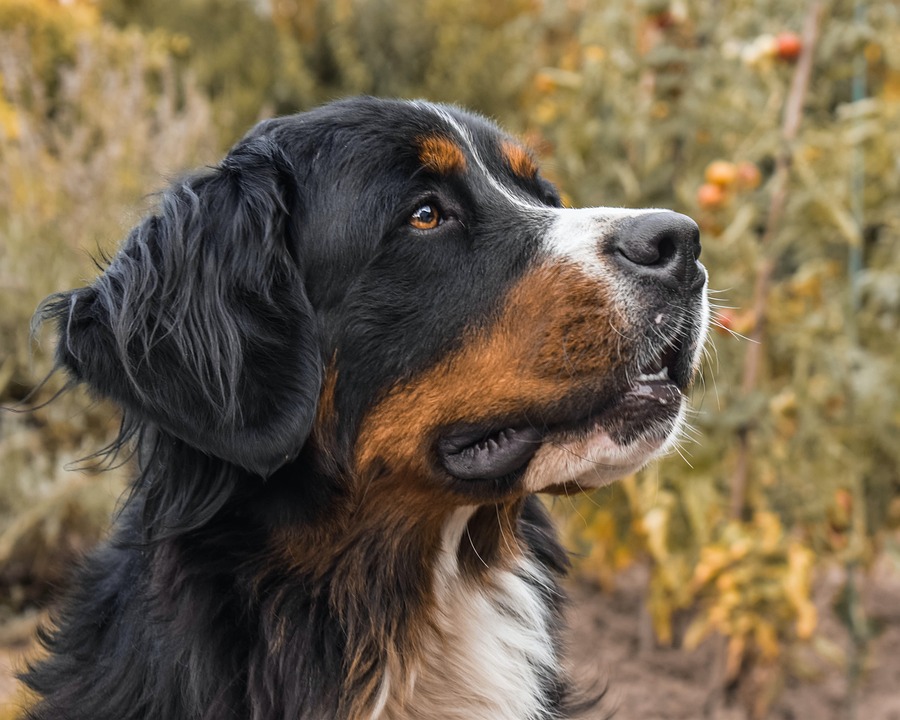
Bernese Mountain Dogs: Your Ultimate Guide to Their Affectionate Nature
Bernese Mountain Dogs, often referred to simply as “Berners,” are gentle giants known for their striking appearance, playful demeanor, and affectionate nature. Originating from the Swiss Alps, these dogs are part of the working group and were bred to assist with herding cattle and pulling carts. With their friendly and calm disposition, they make excellent pets for various households, from families to individuals seeking companionship. In this guide, we’ll delve into the history, temperament, grooming needs, health considerations, and tips for training and socializing these lovable companions.
History of the Bernese Mountain Dog
The Bernese Mountain Dog is a breed that dates back to around 2000 years ago, developed in the region of Bern, Switzerland. They were originally utilized for herding sheep, drafting, and protecting farms. Their Swiss heritage gives them a sturdy build, with a thick double coat that helps them withstand the harsh mountain climate. The breed gained popularity in the early 20th century and entered the United States in the 1920s, quickly capturing hearts with their charm and loyalty.
Temperament and Personality Traits
Bernese Mountain Dogs are renowned for their affectionate and gentle nature. These dogs are highly social and thrive on companionship, whether with other dogs, humans, or even other animals. Here are some key personality traits:
- Loyal and Protective: They are deeply devoted to their families and often act as gentle guardians.
- Friendly: Berners are generally sociable and do well with children and other pets.
- Intelligent: They are quick learners but can be somewhat stubborn, requiring consistent training approaches.
- Calm and Patient: This breed is known for its laid-back demeanor, making them excellent companions for all ages.
Grooming Needs
Although stunning, the Bernese Mountain Dog’s luscious coat requires regular grooming. Here’s what you need to know:
- Shedding: They shed year-round, with heavier shedding occurring twice a year, typically in spring and fall.
- Brushing: Regular brushing at least once a week can help control shedding and keep their coat healthy. During peak shedding seasons, more frequent brushing is advisable.
- Bathing: Bathing can be done as needed but should not be too frequent to avoid stripping their coat of essential oils.
Health Considerations
Bernese Mountain Dogs can be susceptible to certain health conditions. It’s crucial for prospective owners to be aware of these issues:
- Hip Dysplasia: A common condition in large breeds, it occurs when the hip joint doesn’t fit snugly into the hip socket.
- Elbow Dysplasia: Similar to hip dysplasia, it affects the elbows and can lead to arthritis.
- Cancer: Unfortunately, Berner’s life expectancy is shorter due to a higher predisposition to various types of cancers.
Regular veterinary check-ups, a balanced diet, and appropriate exercise can help mitigate some health risks.
Suitability for Different Households
Bernese Mountain Dogs are suitable for various home environments, provided they receive adequate love and exercise. They are great with children, making them excellent family pets. However, their size and strength require supervision around small children. Here are a few household considerations:
- Space: They thrive in homes with ample space to move around, whether it’s a spacious house or a large yard.
- Exercise Needs: Berners benefit from daily walks and playtime. They enjoy activities that involve mental stimulation, such as agility training.
- Time: Their affectionate nature means they require significant companionship. They do not do well when left alone for long periods.
Tips for Training and Socializing
Training a Bernese Mountain Dog requires patience and consistency. Here are some tips:
-
Start Early: Begin training and socialization as early as possible when they’re a puppy.
-
Positive Reinforcement: Use treats and praise to encourage good behavior. Berners respond well to positive methods over harsh correction.
-
Socialize: Expose your dog to various environments, people, and other animals. This helps them feel comfortable and secure in different settings.
-
Basic Commands: Teach commands like “sit,” “stay,” and “come” to ensure good behavior and safety in public spaces.
-
Mental Stimulation: Engage their intelligence with puzzle toys and obedience training, which will keep them happy and well-adjusted.
Understanding emotional support animals (ESA)
An emotional support animal (ESA) provides companionship and support to individuals experiencing emotional challenges, such as anxiety or depression. Unlike service dogs, ESAs do not require specialized training; their primary role is to offer comfort and unconditional love.
Mental and Emotional Health Benefits
Numerous studies have shown the beneficial effects of having a pet. Here are some ways they contribute to mental well-being:
-
Reducing Anxiety: Pets can alleviate feelings of loneliness and fear. Their presence often provides a sense of stability and normalcy during tough times.
-
Social Interaction: Owning a pet encourages social engagement, as pet owners often meet others in dog parks or community events.
-
Routine and Structure: Having a pet can create a daily routine, which helps individuals who struggle with organization. Feeding, walking, and playing with a pet encourages responsibility and purpose.
Real-Life Examples
-
Emily’s Story: Emily, a college student struggling with anxiety, found her Labrador Retriever, Max, invaluable during stressful exams. His presence calmed her nerves, allowing her to focus better.
-
John’s Companion: After losing a loved one, John adopted a cat, Lucy. The companionship she provided helped fill an emotional void, and their bond made the grieving process more bearable.
Key Information
- Temperament: Affectionate, friendly, loyal, and calm.
- Grooming: Regular brushing and seasonal bathing; high shedding.
- Health: Prone to hip dysplasia, elbow dysplasia, and cancer.
- Suitability: Ideal for families; needs space and companionship.
- Training: Requires positive reinforcement; early socialization is essential.
How Dogs and Cats Provide Emotional Support
Pets help improve emotional health and mental resilience through several mechanisms:
-
Physical Touch: Petting a dog or cat can release oxytocin, the “love hormone,” which reduces stress.
-
Connection: The bond between a pet and owner fosters companionship, which is vital for emotional healing.
-
Routine: Caring for pets necessitates routines, giving owners structure and a sense of purpose.
FAQs about Emotional Support Animals
-
What qualifies as an ESA?
- Any animal that provides comfort and emotional support can be designated as an ESA, most commonly dogs and cats.
-
Do ESAs require specialized training?
- No, ESAs do not require specialized training; their primary role is emotional comfort.
-
Can my pet be certified as an ESA?
- Yes, through licensed mental health professionals who assess your need for an ESA.
-
Are there breed restrictions for ESAs?
- There are generally no breed restrictions, but smaller animals may be easier to accommodate in various living situations.
-
Can I take my ESA anywhere?
- While ESAs do not have the same public access rights as service animals, some housing and travel accommodations may apply.
Conclusion
Bernese Mountain Dogs are not just adorable companions; their affectionate nature can significantly improve mental and emotional health for their owners. As someone seeking to understand the bond between pets and their humans, you might consider designating your lovable companion as an Emotional Support Animal. If you’re interested in this path, look no further than Veripaw.org, a trusted resource that has helped pet owners connect with licensed mental health professionals since 2012. They make the process of obtaining ESA documentation seamless and provide access to high-quality pet accessories. Consider taking your first step to emotional well-being today!


