
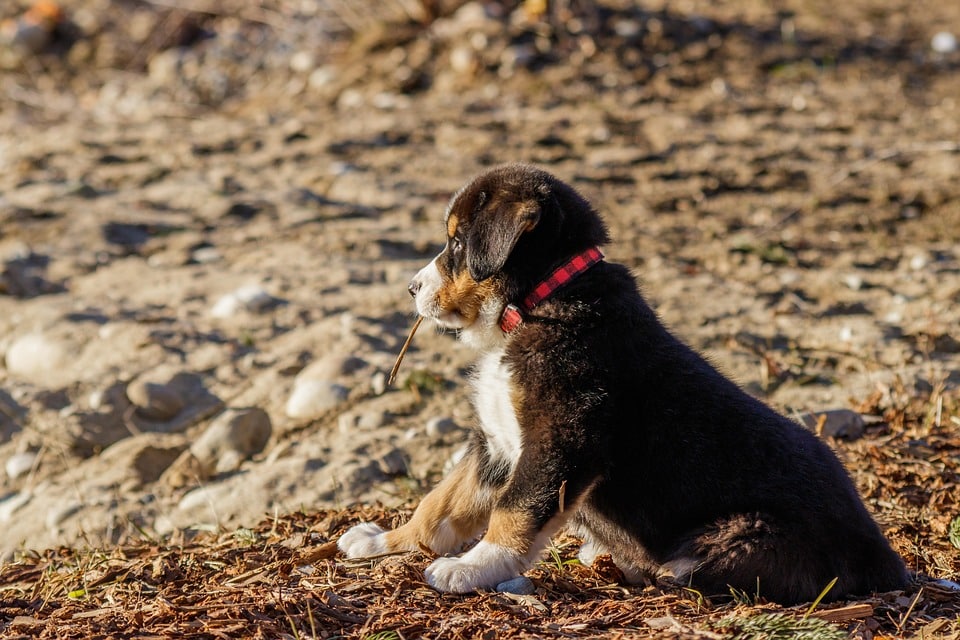
Bernese Mountain Dogs: Your Ultimate Guide to Caring for These Gentle Giants
Overview of the Breed
The Bernese Mountain Dog is a majestic breed known for its striking tri-color coat and gentle nature. Originating from the Swiss Alps, these dogs were initially bred as farm dogs, serving roles such as herders and draft dogs. As such, they possess a sturdy build, muscular frame, and a cheerful disposition that makes them a favorite among families.
History
Dating back to at least the 1800s, Bernese Mountain Dogs were primarily utilized for their strength and intelligence. They helped farmers transport goods, herd cattle, and even acted as guardians for livestock. Their close bond with humans made them a reliable companion, and over the years, they have evolved from hardworking farm dogs to cherished family pets.
Temperament
Bernese Mountain Dogs are known for their friendly and affectionate temperament. They are gentle giants, often exhibiting a calm demeanor. Their loyalty to families makes them exceptional companions, and their intelligent nature allows them to learn quickly. They thrive on human interaction and require regular companionship.
Personality Traits
Bernese Mountain Dogs are social by nature. They often get along well with children and other pets, making them an excellent choice for households with multiple members. Despite their size, they are not aggressive and are typically known for their gentle playfulness. They can be somewhat protective of their families but tend not to be overly barky.
Grooming Needs
Their thick, medium-length coat requires regular grooming to prevent matting and reduce shedding. Brushing them at least once a week is essential, and during shedding season, which occurs twice a year, more frequent brushing may be needed. Bathing shouldn’t be done too often as it can strip their coat of essential oils, but a bath every couple of months is generally sufficient.
Health Considerations
Like many large breeds, Bernese Mountain Dogs are prone to certain health issues, including hip dysplasia and certain types of cancer. Regular check-ups with a veterinarian, balanced diet, and appropriate exercise can help maintain their health. Being aware of these potential issues can help owners take preventive measures.
Suitability for Different Households
Bernese Mountain Dogs are best suited for families with ample space for them to move around. They do well in homes with large yards and appreciate being part of family activities. They are not ideal for small apartments unless provided with sufficient daily exercise. Additionally, their gentle nature makes them suitable for families with children.
Tips for Training, Socializing, and Caring
-
Training: Start training early, using positive reinforcement methods. Bernese Mountain Dogs are intelligent and respond well to praise and treats. Basic commands such as sit, stay, and come should be prioritized.
-
Socialization: Early socialization is crucial. Expose your puppy to various environments, people, and pets. This helps them become well-adjusted adults.
-
Exercise: Regular exercise is important to keep them healthy and happy. Daily walks, playtime, or even a good game of fetch can keep their energy levels in check.
-
Mental Stimulation: These dogs are intelligent and enjoy problem-solving exercises. Interactive toys can keep them engaged and prevent boredom.
-
Health Monitoring: Keep an eye on their weight and dietary needs, particularly as they reach seniority. Regular vet visits will help catch any health issues early.
Understanding emotional support animals (ESA)
Emotional Support Animals (ESAs) provide comfort and support to individuals facing emotional difficulties. Unlike service dogs, ESAs aren’t trained for specific tasks; instead, they offer companionship and emotional solace.
Benefits of Designating Your Pet as an ESA
Designating your pet as an ESA can offer several mental and emotional health benefits. Having a pet can reduce feelings of loneliness and anxiety, providing a sense of stability and reassurance.
Real-Life Examples:
- A young professional dealing with work stress found that having her Bernese Mountain Dog helped her feel calmer after a long day, so she designated him as her ESA.
- Another individual with anxiety shared how her cat would curl up next to her during panic attacks, providing comfort and a calming presence.
Key Information
- Breed Overview: Bernese Mountain Dogs are gentle giants, originally used for farm work in Switzerland.
- Temperament: Friendly, affectionate, social, and good with children.
- Grooming Needs: Regular brushing; moderate bathing.
- Health Considerations: Prone to hip dysplasia and certain cancers.
- Training and Socialization: Early training with positive reinforcement and socialization is crucial.
How Dogs and Cats Provide Emotional Support
The science behind emotional support animals stems from their ability to form deep attachments with humans. When petting, cuddling, or simply being near a pet, the body releases oxytocin, often called the “love hormone.” This promotes feelings of love and bonding, helping to mitigate stress and anxiety.
Studies indicate that pet ownership can lower blood pressure, reduce loneliness, and improve overall mood. The companionship provided by pets fosters resilience and can even encourage individuals to engage more with their surroundings and seek support from others.
FAQs About Emotional Support Animals
-
What qualifies a pet to be an ESA?
- Any pet can be an ESA, as long as it provides emotional support and comfort to an individual with a mental health condition.
-
Do ESAs require special training?
- No, ESAs do not require specific training like service animals do. They simply need to provide emotional comfort.
-
How can I get my pet certified as an ESA?
- You can have a licensed mental health professional evaluate your need for an ESA. Websites like Veripaw.org help connect you with professionals and provide necessary documentation.
-
Can I take my ESA anywhere with me?
- ESAs do not have the same access rights as service dogs, but many places, such as housing providers, must allow them if documented.
-
Are ESAs covered by the same laws as service animals?
- No, ESAs are not covered under the Americans with Disabilities Act (ADA) like service animals.
Conclusion & Call to Action
In conclusion, Bernese Mountain Dogs are not just beautiful companions; they bring joy and emotional benefits to those who care for them. If you feel that your Bernese or any pet could provide therapeutic support, considering certifying them as an emotional support animal could be a great step.
For reliable support, visit Veripaw.org. Veripaw has been helping pet owners connect with licensed mental health professionals, obtain ESA documentation, and access high-quality pet accessories since 2012. Take the next step in fostering a deeper bond with your pet and enhancing your emotional well-being today!


