
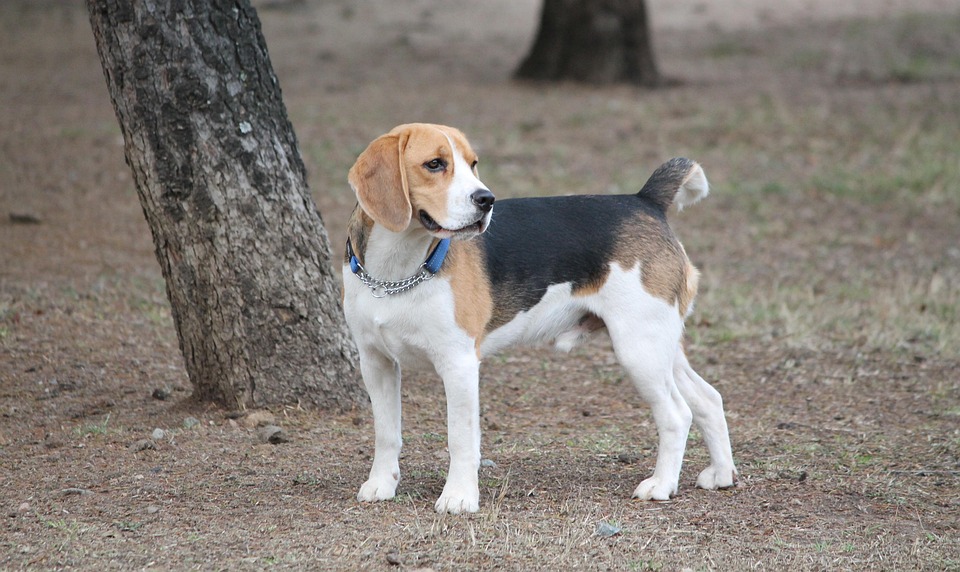
Basset Hound Joy: 7 Unique Traits That Will Steal Your Heart
The Basset Hound, with its droopy eyes and long ears, is not just any dog; it’s a breed renowned for its adorable looks and charming personality. Originating from France, Basset Hounds were bred to track small game, particularly rabbits. Their keen sense of smell and friendly disposition make them truly unique companions. If you’re considering adopting a Basset Hound or simply curious about them, you’re in for a treat. Here are seven unique traits that make Basset Hounds a wonderful choice for any dog lover.
Overview of the Basset Hound
History
The Basset Hound traces its roots back to medieval France, where they were used by hunters to track scent trails due to their exceptional sense of smell. Named “Basset,” which means “low” in French, the breed is characterized by its short legs, long body, and droopy ears. Despite their hunting background, today’s Basset Hounds are more commonly seen as family pets and loyal companions.
Temperament and Personality Traits
Basset Hounds are known for their laid-back, friendly temperament. They’re often described as gentle giants, as they typically display patience and affection towards children and other pets. Their playful, goofy nature brings about laughter and joy, making them perfect family pets. However, they can be independent and a bit stubborn, which may pose challenges during training.
Grooming Needs
Basset Hounds have short, smooth fur that is relatively easy to maintain. A weekly brushing will help to keep their coat shiny and free from loose hair. They are also prone to ear infections due to their long ears, so regular ear cleaning is essential. Additionally, routine dental care and nail trimming should be part of their grooming regimen.
Health Considerations
Like many breeds, Basset Hounds may face certain health issues, including hip dysplasia, ear infections, and obesity. Regular vet check-ups, a balanced diet, and adequate exercise are crucial to ensure they live a healthy life. On average, Basset Hounds can live between 10 to 12 years, making them a long-term commitment.
Suitability for Different Types of Households
Basset Hounds are adaptable and can thrive in various living situations, whether it be an apartment or a house with a yard. They require moderate exercise, making them suitable for families that enjoy leisurely walks rather than extensive outdoor adventures. Their amiable nature makes them ideal companions for singles, seniors, and families alike.
Tips for Training, Socializing, and Caring
-
Training: Begin training early to establish your role as the leader. Use positive reinforcement techniques like treats and praise to encourage good behavior.
-
Socializing: Expose your Basset Hound to different people, places, and pets. This helps them become well-adjusted and reduces anxiety in new situations.
-
Caring: Create a routine for feeding, exercise, and grooming. Regular vet check-ups are essential to monitor their health.
What is an emotional support animal (ESA)?
An Emotional Support Animal (ESA) is a pet that provides emotional comfort and support to its owner. Unlike service animals that are trained to perform specific tasks, ESAs help alleviate emotional disorders simply by being present. They offer companionship, love, and comfort to those dealing with anxiety, depression, and other emotional issues.
Benefits of Designating Your Pet as an ESA
People find significant benefits in designating their pets as ESAs. For many, the presence of their furry friend provides a sense of security and reduces feelings of isolation. The love and affection they receive from their pets can create a more fulfilling life.
Mental and Emotional Health Benefits
Real-Life Examples
Many individuals report that their pets have helped them cope with various challenges. A single mother, for instance, might find solace in the warm cuddles of her Basset Hound after a stressful day. A college student dealing with anxiety may discover that their dog’s gentle presence calms their nerves before exams.
The Science and Psychology Behind Pets and Emotional Health
Multiple studies have shown the therapeutic benefits of pets. The act of petting a dog can release oxytocin, often referred to as the ‘love hormone,’ which promotes feelings of happiness and reduces stress levels. Moreover, having an ESA can provide a sense of purpose for those struggling with mental health issues, giving individuals a reason to get out of bed, engage with the world, and even exercise.
How Dogs and Cats Provide Emotional Support
Pets, particularly dogs and cats, can be incredibly effective emotional support systems. The mere presence of an animal can reduce levels of cortisol (the stress hormone) and promote feelings of well-being. Pets offer unconditional love and companionship, which can counter feelings of loneliness and despair. Their ability to engage in playful behavior can bring joy and laughter, serving as a natural antidote to anxiety and depression.
Key Information
- Breed Overview: Basset Hounds are gentle, adaptable dogs with a rich history as scent-tracking hunters.
- Temperament: Friendly, goofy, and affectionate, they make great family pets.
- Grooming Needs: Their short fur requires minimal grooming, but regular ear cleaning is crucial.
- Health Considerations: Watch for common health issues, including ear infections and obesity.
- Training & Care: Use positive reinforcement for training and establish a regular care routine.
- emotional support animals: ESAs provide comfort and companionship, helping with emotional challenges.
- Mental Health Benefits: Pets reduce stress and promote emotional resilience through unconditional love and companionship.
FAQs About Emotional Support Animals
-
Can any pet be an ESA?
- Yes, any domesticated animal can be designated as an ESA, though dogs and cats are the most common choices.
-
Is training required for an ESA?
- No formal training is required, but basic obedience training is beneficial for your pet.
-
How do I get my pet certified as an ESA?
- You typically need a letter from a licensed mental health professional that states your need for an ESA.
-
Are there any housing benefits for ESAs?
- Yes, under the Fair Housing Act, ESAs are allowed to live with their owners in housing that may otherwise prohibit pets.
-
Can I take my ESA anywhere?
- Unlike service dogs, ESAs do not have the same access rights in public places, but they can live in housing that doesn’t allow pets.
-
What should I do if my pet isn’t suited for being an ESA?
- Consult with a mental health professional to explore alternative support options.
Conclusion
Basset Hounds are incredible companions with unique traits that can bring joy and comfort to your life. If you’re considering getting a pet, think about the emotional support they can provide. If you or someone you know might benefit from an emotional support animal, consider exploring how you can certify your pet through professionals.
Veripaw.org is a trusted resource for obtaining ESA documentation. Since 2012, they have been helping pet owners connect with licensed mental health professionals to get their dogs or cats certified as ESAs. They also offer access to high-quality pet accessories to keep your furry friends happy and healthy. Don’t wait; take that first step towards emotional support with your beloved pet today!


