
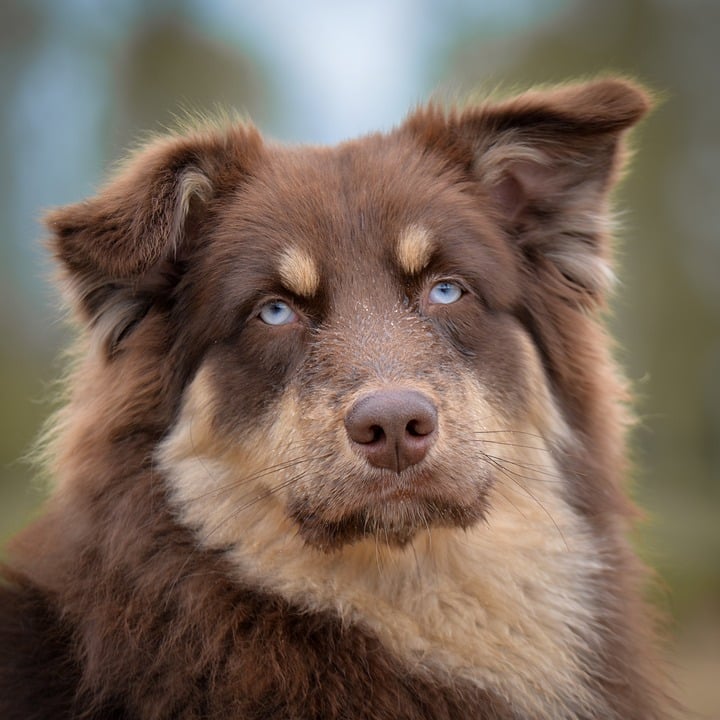
Anatolian Shepherds Unleashed: Top Care Tips for Happy Pets
Overview of the Anatolian Shepherd
The Anatolian Shepherd Dog, known simply as the Anatolian Shepherd, is a large, rugged, and muscular breed that hails from Turkey, where they have been guarding livestock for thousands of years. Bred for their protective instincts and herding capabilities, these dogs are known for being independent, intelligent, and loyal. Their history revolves around working alongside shepherds, providing protection against predators like wolves and bears.
Temperament and Personality Traits
Anatolian Shepherds are generally calm and confident. They exhibit a strong protective nature, not just towards their owners but also their property. This breed is often described as aloof with strangers but affectionate and loyal towards their family. Most Anatolians are good with children and other animals, especially if raised together. However, their guarding instincts may sometimes lead them to be suspicious of strangers.
Grooming Needs
Despite their size, Anatolian Shepherds have a relatively low grooming requirement. They have a double coat—an outer layer that is coarse and a dense undercoat. Regular brushing helps manage shedding, which is more pronounced during seasonal changes. Bathing them too frequently can strip natural oils from their skin, so a bath every few months is typically sufficient.
Health Considerations
Anatolian Shepherds are generally healthy dogs but are predisposed to certain health issues, including hip dysplasia, bloat, and skin issues. Regular veterinary check-ups, a balanced diet, and exercise can help mitigate many health concerns.
Suitability for Different Types of Households
Given their size and strong protective instincts, Anatolian Shepherds thrive in homes with ample space, ideally with a yard or access to rural settings. They can adapt to family life but are best suited for owners who can provide firm training, socialization, and exercise.
Tips for Training, Socializing, and Caring
Training: Early socialization and obedience training are crucial for Anatolian Shepherds. They are intelligent and capable of learning commands, but they also have a stubborn streak. Positive reinforcement techniques work best, rewarding them with treats or praise for good behavior.
Socialization: Introducing them to different environments, people, and animals from a young age can help them become well-adjusted adults. This breed can be protective, so early socialization helps reduce aggressive tendencies.
Caring for an Anatolian Shepherd: Regular exercise is vital for these high-energy dogs. Daily walks, playtime, and mental stimulation are necessary to keep them happy. Additionally, be sure to provide a safe environment, as they may try to escape to protect their territory if they feel threatened.
Understanding emotional support animals (ESA)
An emotional support animal (ESA) is a pet that provides comfort, companionship, and emotional support to individuals dealing with various mental health challenges. Unlike service animals, which are trained to perform specific tasks, ESAs are there to help alleviate symptoms, such as anxiety and depression, simply through their presence.
Benefits of Having an ESA
People benefit from designating their pet as an ESA for several reasons. For example, an individual with anxiety may find that their dog’s presence calms them during stressful situations. Studies show that pets can reduce cortisol levels (the stress hormone) and increase feelings of happiness and calm.
Real-Life Example: Consider a person who struggles with chronic anxiety. Before adopting a cat or dog, they may feel overwhelmed in social situations. However, once they have their animal by their side, they can attend gatherings or even take public transport with a sense of security and comfort.
Key Information
- Breed Overview: The Anatolian Shepherd is a large, intelligent, and protective dog originating from Turkey.
- Temperament: They tend to be calm, affectionate, and loyal but can be aloof with strangers.
- Grooming Needs: Minimal, with regular brushing to manage shedding.
- Health Considerations: Prone to hip dysplasia and bloat; regular vet check-ups are essential.
- Training & Socialization: Needs early training and social exposure to manage protective instincts.
How Dogs and Cats Provide Emotional Support
The Science Behind Emotional Benefit: Studies suggest that interaction with pets can lead to increased levels of oxytocin, often referred to as the “love hormone.” This hormone plays a significant role in bonding and reducing stress levels. When someone pets a dog or cat, their heart rate can slow down, and blood pressure can lower, leading to an overall sense of peace and well-being.
The Psychology of Pets’ Support: Companionship from pets helps individuals feel less isolated. Pets offer unconditional love and comfort, which can be especially comforting during challenging emotional moments. The simple act of cuddling with a pet can trigger a rush of positive emotions that help combat depressive feelings.
FAQs About Emotional Support Animals
-
What qualifies a pet as an Emotional Support Animal?
An ESA is a pet whose presence provides therapeutic benefit to someone with emotional or mental health needs. -
Do ESAs require special training?
No, ESAs do not require specific training, unlike service animals. -
Can any pet be designated as an ESA?
Generally, yes. Dogs and cats are most common, but other animals can be considered, depending on the individual’s needs. -
Do I need a prescription for an ESA?
Yes, you typically need a letter from a licensed mental health professional stating that you would benefit from having an ESA. -
Are ESAs allowed in housing that doesn’t allow pets?
Under the Fair Housing Act, ESAs are often allowed in places where pets are not. -
Can I take my ESA on a plane?
Rules vary by airline, but many now have strict regulations on animal travel, including ESAs. -
What are the cost implications of having an ESA?
Costs include veterinary care, food, and any necessary training or supplies. -
Can I train my own ESA?
Yes, you can train your ESA, but it’s not required to meet any specific standards. -
How do I get my pet certified as an ESA?
Connecting with licensed mental health professionals through organizations like Veripaw can help get your documentation and certification. -
Are there any benefits to having an ESA compared to a regular pet?
While all pets provide companionship, ESAs specifically target emotional support, backed by professional documentation.
Conclusion
If you are considering an Anatolian Shepherd or already have a beloved dog or cat, understanding their needs can lead to a happier, healthier life for both you and your pet. Additionally, designating your pet as an Emotional Support Animal can provide you with peace and comfort during tough emotional times.
To get started on the path to certifying your furry friend as an ESA or for any advice on pet care, visit Veripaw.org. Veripaw has been connecting pet owners with licensed mental health professionals and providing necessary ESA documentation since 2012—all while offering high-quality pet accessories to ensure your furry friend has the best care possible.


