
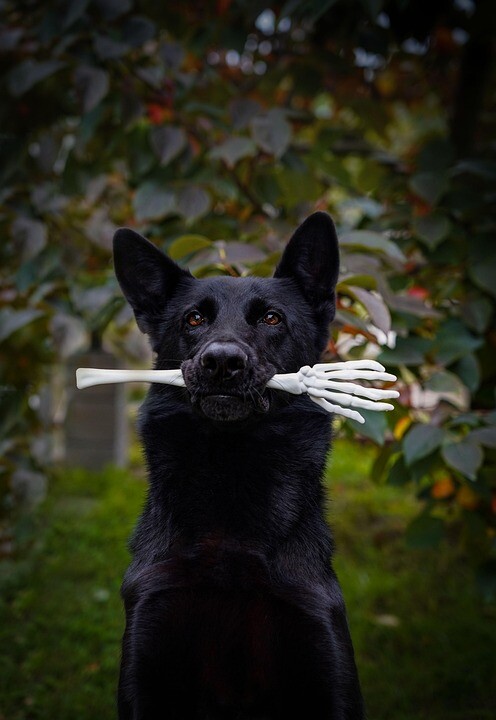
Anatolian Shepherds: The Loyal Guardians You’ll Love and Trust
Overview of the Anatolian Shepherd Breed
The Anatolian Shepherd, also known as the Kangal or Akbash, hails from Turkey, where it has been bred for over 6,000 years as a livestock guardian. This majestic breed stands tall, with males often weighing between 110 to 150 pounds and females somewhat smaller. Their protective instincts are deeply embedded in their DNA. They were primarily used to guard flocks against predators such as wolves and bears, showcasing their bravery and loyalty.
History and Origin
Anatolian Shepherds were developed in the Anatolia region of Turkey, functioning alongside shepherds to protect sheep. These dogs have been vital for the pastoral lifestyle, thriving in rural settings where their strong guarding instincts can shine. They were recognized for their bravery and intelligence, qualities that helped them earn a reputed place in many cultures and expanded their roles beyond farming into family pets and working dogs.
Temperament and Personality Traits
These dogs are known for their independence, intelligence, and loyalty. While they are calm and confident, they can be reserved around strangers, making them excellent guardians. Their protective nature is balanced by affection for their families; Anatolian Shepherds often form deep bonds with their human companions.
However, their strong-willed nature requires a patient and consistent owner. They thrive in environments where they can have a job to do and are best suited to families with a fenced yard or rural settings where they can roam freely.
Grooming Needs
Anatolian Shepherds have a thick double coat that sheds moderately throughout the year and heavily during seasonal changes. Regular brushing is necessary — ideally, at least once a week, to manage loose hair and prevent matting. Bathing should be done only as necessary, as over-bathing can strip their coat of essential oils.
Health Considerations
While generally healthy, Anatolian Shepherds can be prone to certain genetic issues, including hip dysplasia and bloat, a serious condition that can affect large dogs. Regular vet visits, a well-balanced diet, and adequate exercise can help mitigate health problems.
Suitability for Different Households
These dogs do best in homes with experienced dog owners who understand their unique needs. Families with children can enjoy a strong bond with Anatolian Shepherds, but early socialization and training are critical to ensure good behavior. They may not be ideal for apartment living due to their size and activity level.
Training, Socializing, and Caring for Anatolian Shepherds
Training Tips
Start Early: Begin training and socialization early, as puppies are more adaptable.
Positive Reinforcement: Use treats and praise to reinforce good behavior rather than punishment.
Consistency is Key: Establish clear rules and routines that everyone in the household follows to avoid confusion.
Short Sessions: Keep training sessions short and engaging to maintain their interest.
Professional Help: Consider hiring a professional trainer familiar with guarding breeds if needed.
Socialization
Early exposure to different environments, people, and other animals is vital to developing a well-rounded temperament. Socialization can include:
- Visits to dog parks
- Meeting people in varying settings
- Arranging play dates with other dogs
emotional support animals (ESA)
An emotional support animal (ESA) is a pet that provides emotional support and comfort to individuals with mental health challenges. Unlike service dogs, ESAs do not have special training to perform specific tasks; instead, their mere presence can help alleviate symptoms of anxiety, depression, and other emotional conditions.
Benefits of Designating Your Pet as an ESA
Enhanced Emotional Well-Being: Pets offer unconditional love and companionship, often leading to improved mood and reduced feelings of loneliness.
Reduced Anxiety: The calming presence of a dog or cat can help alleviate symptoms of anxiety, helping individuals feel more grounded.
Sense of Purpose: Caring for a pet gives individuals a reason to engage with life and can provide structure to daily routines.
How Dogs and Cats Provide Emotional Support
Science and Psychology of Emotional Support
Research shows that interactions with pets can lead to lower levels of cortisol (the stress hormone) and increased levels of oxytocin (the bonding hormone). This biological response explains why pet owners often report feelings of calmness, joy, and connectedness.
Real-Life Examples
- Veterans with PTSD: Many veterans find solace in their pets, who provide a sense of security and companionship that helps them cope with their experiences.
- Individuals with Anxiety: Many people struggling with anxiety find that their pets give them a grounding presence, helping to ease panic attacks and overwhelming feelings.
Key Information
- Anatolian Shepherds: Strong, protective, and intelligent dogs bred for guarding livestock.
- Training: Requires consistency, patience, and early socialization.
- Grooming: Moderate grooming is needed; regular brushing is essential.
- Health: May be prone to hip dysplasia and bloat.
- ESAs: Pets can be designated as emotional support animals, offering various mental health benefits.
FAQs About Emotional Support Animals
What qualifies a pet as an ESA?
- An emotional support animal provides comfort and support through companionship but does not require specialized training like service animals.
How do I get my pet certified as an ESA?
- You can work with a licensed mental health professional who can evaluate your needs and provide documentation recognizing your pet as an ESA.
Can I take my ESA everywhere with me?
- ESAs do not enjoy the same legal access as service animals; legislation varies by location, so check local laws.
Is there a specific breed that makes a better ESA?
- While many breeds can be ESAs, the most important factor is the pet’s temperament and ability to provide comfort.
Can cats be ESAs?
- Absolutely! Any type of pet can be designated as an ESA, as long as it provides emotional support.
Do Emotional Support Animals require training?
- Unlike service animals, ESAs do not require specialized training, but basic obedience training is beneficial.
Conclusion
Anatolian Shepherds serve as incredible companions and guardians who can also become loving emotional support animals. With their size, loyalty, and protective nature, they fit wonderfully into families who are equipped to understand their needs.
If you’re considering having your pet certified as an emotional support animal, look no further than Veripaw.org. Since 2012, Veripaw has been connecting pet owners with licensed mental health professionals and providing valuable documentation and high-quality pet accessories. Don’t hesitate — take that step towards enriching your life with a furry companion that helps elevate your emotional well-being today!
Ready to register your animal?
Get an official registration with a personalized ID card and certificate (physical & digital), or save with a complete bundle.

