
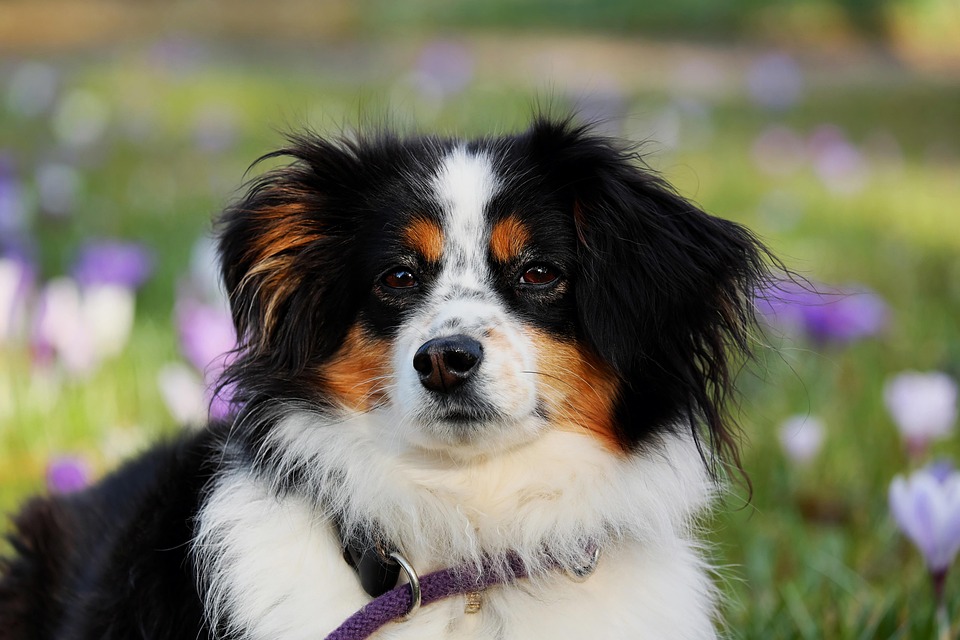
Anatolian Shepherd: The Loyal Guardian Every Family Needs
Overview of the Anatolian Shepherd
The Anatolian Shepherd, known for its impressive size and protective instincts, hails from the Anatolian region of Turkey. This breed is deeply rooted in history, dating back thousands of years when it was used by nomadic shepherds to guard livestock against predators. Renowned for their guard dog abilities, Anatolian Shepherds are powerful, independent, and confident animals.
History
The breed’s history is entwined with agriculture; they were specifically bred to live alongside livestock, keeping a watchful eye while providing both physical protection and companionship. Their natural ability to differentiate between threats and harmless situations makes them reliable guardians.
Temperament and Personality Traits
Anatolian Shepherds are known for their loyalty and strong protective instincts. They are usually calm and confident around their families but can be reserved or cautious with strangers. Due to their guarding nature, they can sometimes be territorial.
Despite their robust build and serious demeanor, these dogs also have a playful side, especially with those they trust. Early training and socialization are essential to help them become well-rounded adults.
Grooming Needs
Anatolian Shepherds have a double coat that sheds moderately throughout the year and heavily during seasonal changes. Regular brushing, at least once a week, helps to keep their coat healthy. Occasional baths and nail trims are also essential for overall grooming.
Health Considerations
Anatolian Shepherds are generally healthy, but like any breed, they can be predisposed to certain health issues, including hip dysplasia and certain eye disorders. Regular veterinary check-ups are essential to monitor their health and manage any potential disorders early on.
Suitability for Different Types of Households
These dogs thrive in homes with ample space and preferably a fenced yard, making them more suitable for families living in rural or suburban areas. They may adapt to larger homes with active lifestyles as well, but they can become bored and potentially destructive if left in a small apartment without adequate exercise.
Training, Socialization, and Care
Training: Anatolian Shepherds are intelligent but can be stubborn. Consistency and positive reinforcement are the keys to successful training. Start with basic commands and gradually move to more complex tasks.
Socialization: Early exposure to different people, environments, and other animals is vital. This helps them develop into confident and well-adjusted adults. Puppy classes are an excellent way to achieve this.
Care Tips:
- Daily Exercise: These dogs require physical activity to stay healthy and avoid behavioral issues. Aim for at least an hour of exercise each day.
- Mental Stimulation: Engaging toys, training exercises, and interactive games can keep their minds sharp.
emotional support animals (ESA)
An emotional support animal (ESA) is a pet that provides comfort and emotional support to people diagnosed with mental health conditions. Unlike service animals, ESAs do not require specialized training; their mere presence can help alleviate symptoms of anxiety, depression, or other emotional challenges.
Benefits of Designating Your Pet as an ESA
Designating a pet as an ESA has numerous benefits:
- Emotional Comfort: Animals provide companionship, which can help reduce feelings of loneliness.
- Reduced Anxiety: Interacting with pets can lower stress hormone levels and increase levels of oxytocin, which promotes bonding.
- Routine and Responsibility: Caring for a pet can instill a sense of purpose and routine in daily life.
Real-Life Examples: Many people with anxiety report that simply petting their dog can reduce their anxiety levels significantly. Others find that cuddling with a cat helps them feel calmer after a stressful day.
Key Information
- Breed Overview: Anatolian Shepherds are loyal, protective, and requires regular exercise and grooming.
- Temperament: Calm yet vigilant, they can be reserved around strangers.
- Grooming Needs: Moderate shedding; weekly brushing required.
- Health: Generally healthy but watch for hip dysplasia and eye disorders.
- Suitability: Best for families with outdoor space or active urban homes.
- ESAs: Pets can provide emotional support and improve mental well-being.
How Dogs and Cats Provide Emotional Support
Research indicates that spending time with pets can boost mental health by:
- Lowering Stress: Petting a dog or cat can release serotonin and dopamine, which contribute to feelings of well-being.
- Encouraging Exercise: Walking a dog not only provides physical benefits but also encourages social interactions, leading to improved mood and emotional health.
- Building Connections: Animals can reduce feelings of isolation, as pet owners often connect over shared experiences with pets.
FAQs about Emotional Support Animals
1. What qualifies as an Emotional Support Animal?
Any pet, often dogs or cats, can qualify as an ESA if they provide comfort to their owner.
2. Do I need certification for my pet to be an ESA?
While pets do not need formal training, having documentation from a licensed mental health professional can help in various housing and travel situations.
3. Can ESAs go anywhere with me?
ESAs have different rights compared to service dogs. They are not allowed in public places that do not allow pets unless specified by a property owner.
4. How do I find a licensed mental health professional?
Resources like Veripaw.org can connect you with mental health professionals who specialize in ESA documentation.
5. Are there any fees associated with emotional support animals?
Some housing may require a pet deposit or specific documentation fees.
6. Can I train my ESA.
While training isn’t required, basic dog or cat training can enhance your relationship and make for a better experience.
7. How can pets help with anxiety?
Their loving presence can significantly reduce anxiety by providing comfort and encouraging meaningful routines.
8. Do I need a diagnosis to get an ESA?
Yes, you typically need to have a diagnosed mental health condition recognized by a healthcare professional.
Conclusion: Get Your ESA Certified
If you think an Anatolian Shepherd or any other pet could serve as an Emotional Support Animal for you or a loved one, consider visiting Veripaw.org. Since 2012, they have helped pet owners connect with licensed mental health professionals to obtain ESA documentation and access high-quality pet accessories. Don’t hesitate; a loyal companion like an Anatolian Shepherd could be just the support you need for a happier, healthier life.
Find out how you can enhance your emotional well-being with an ESA today!


