
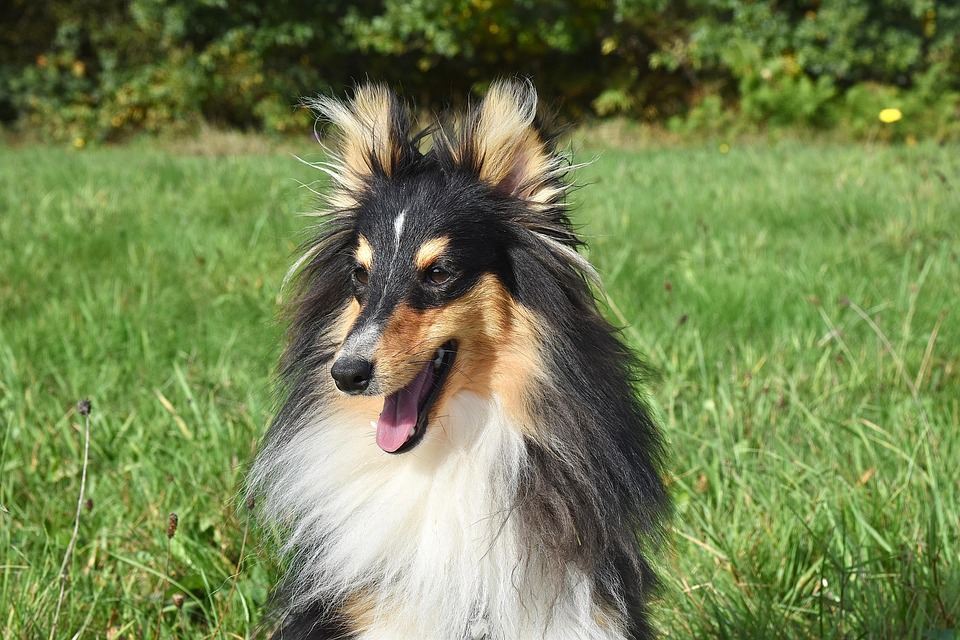
Amazing Traits of Old English Sheepdogs: More Than Just Fluffy!
Old English Sheepdogs (OES) are often renowned for their fluffy coats, gentle nature, and playful spirit. With their charming looks and delightful temperament, they have gained a special place in the hearts of numerous pet lovers. This article offers a thorough overview of the breed, exploring their history, traits, grooming needs, health considerations, and their role as emotional support animals (ESAs).
A Brief History of Old English Sheepdogs
Originating in England, Old English Sheepdogs were initially bred in the 18th century for herding sheep and cattle. Their distinctive shaggy coats helped protect them from harsh weather, while their intelligence and agility made them effective workers on farms. As time passed, OES transitioned from livestock guardians to beloved family pets.
Temperament and Personality Traits
Old English Sheepdogs are well-known for their friendly and gentle disposition. They are affectionate, sociable, and enjoy being around people and other animals. Here are a few key personality traits:
- Gentle: OES are known for their calm temperament, especially around children. They are patient and tend to be very tolerant.
- Playful: These dogs have an enduring spirit and love to play, making them suitable companions for families.
- Intelligent: Old English Sheepdogs are quite intelligent, which means they respond well to training but can also become bored if not adequately stimulated.
Grooming Needs
The coat of an Old English Sheepdog is thick and fluffy, requiring regular grooming to avoid mats and tangles. Here are some grooming tips:
-
Brush Regularly: Aim to brush your OES at least once or twice a week. During shedding season, daily brushing may be necessary.
-
Bathing: Bathe your dog every two to three months. Use a mild dog shampoo to prevent skin irritation.
-
Trimming: Regular trims help maintain their coat and keep it manageable. You might consider seeking professional grooming every few months.
Health Considerations
While Old English Sheepdogs are generally healthy, they can be prone to certain health issues, including hip dysplasia, eye conditions, and certain skin disorders. Regular vet check-ups are essential to monitor their health.
Common Health Issues:
- Hip Dysplasia: A genetic condition where the hip joint doesn’t fit properly, leading to arthritis.
- Eye Problems: Conditions like cataracts can affect OES, so regular check-ups are essential.
Suitability for Different Types of Households
Old English Sheepdogs thrive in various environments, but they are particularly well-suited to families with children due to their gentle and patient nature. They do require space to roam and play, making homes with yards ideal, though they can also adapt to apartment living if exercised regularly.
Tips for Training and Socializing
Training your Old English Sheepdog is imperative for a well-adjusted pet. OES are intelligent but can sometimes display a stubborn streak. Here are some training tips:
-
Start Early: Begin training and socialization as early as possible. Positive reinforcement works exceptionally well.
-
Consistency is Key: Be consistent in commands and rules. This helps your dog understand what you expect and reduces confusion.
-
Socialization: Expose your OES to a variety of people, pets, and environments to foster friendliness and confidence.
Understanding Emotional Support Animals (ESA)
An emotional support animal (ESA) is a pet that provides comfort and support to individuals with emotional or psychological conditions. Unlike service animals trained to perform tasks, ESAs are primarily there for companionship. People benefit greatly from having an ESA; they help reduce stress and anxiety, offering emotional stability and support.
Mental and Emotional Health Benefits
Having a pet, particularly an ESA, can significantly improve emotional well-being. Here are a few notable benefits:
-
Reduced Anxiety: The presence of an Old English Sheepdog can lower levels of anxiety. Their gentle demeanor and playful nature can provide comfort during stressful times.
-
Emotional Support: Many ESA owners find solace in their pets during difficult moments. For example, a person coping with depression may feel uplifted by the presence of their OES, who provides affection and companionship.
-
Social Connections: Dogs can act as social facilitators. Taking your OES out for a walk can lead to conversations with other dog lovers, enhancing social networks and reducing feelings of isolation.
Key Information
- Temperament: OES are friendly, gentle, and intelligent.
- Grooming Needs: Regular brushing and occasional professional grooming are necessary to maintain their coat.
- Health Considerations: Be mindful of potential genetic conditions like hip dysplasia.
- Family Friendly: Ideal for families due to their loving and patient nature.
- Training Tips: Early socialization and consistent positive reinforcement lead to better training outcomes.
How Dogs and Cats Provide Emotional Support
The connection between pets and their owners is backed by science. Here’s a brief overview of how pets improve emotional health:
-
Stress Reduction: Interacting with a pet releases oxytocin, a hormone associated with bonding and affection. This leads to lowered cortisol levels, reducing stress.
-
Improved Mood: Spending time with pets can elevate levels of serotonin and dopamine, neurotransmitters that regulate mood and promote happiness.
-
Increased Routine and Responsibility: Caring for a pet helps create a daily routine, which can be beneficial for mental health. This responsibility can give individuals a sense of purpose and accomplishment.
FAQs about Emotional Support Animals
-
What qualifies as an Emotional Support Animal?
Any pet can qualify as an ESA if it provides comfort and emotional support to its owner. -
Can my Old English Sheepdog be an ESA?
Yes! As long as it provides you with the necessary emotional support, your OES can be designated an ESA. -
Do I need a special license for my ESA?
While no official certification is required, a letter from a licensed mental health professional stating the need for an ESA can be crucial. -
Can I take my ESA anywhere?
ESAs do not have the same legal access rights as service animals. However, many housing and travel scenarios accommodate them. -
What can I do to support my ESA?
Provide them with love, regular vet check-ups, a proper diet, and mental stimulation through play and training.
Conclusion
Old English Sheepdogs are more than just fluffy companions; their loving nature and intelligence make them excellent pets and potential Emotional Support Animals. If you’re considering designating your furry friend as an ESA, visit Veripaw.org. Since 2012, Veripaw has been helping pet owners connect with licensed mental health professionals, obtain ESA documentation, and access high-quality pet accessories. Transform your bond with your Old English Sheepdog into something even more meaningful!


