
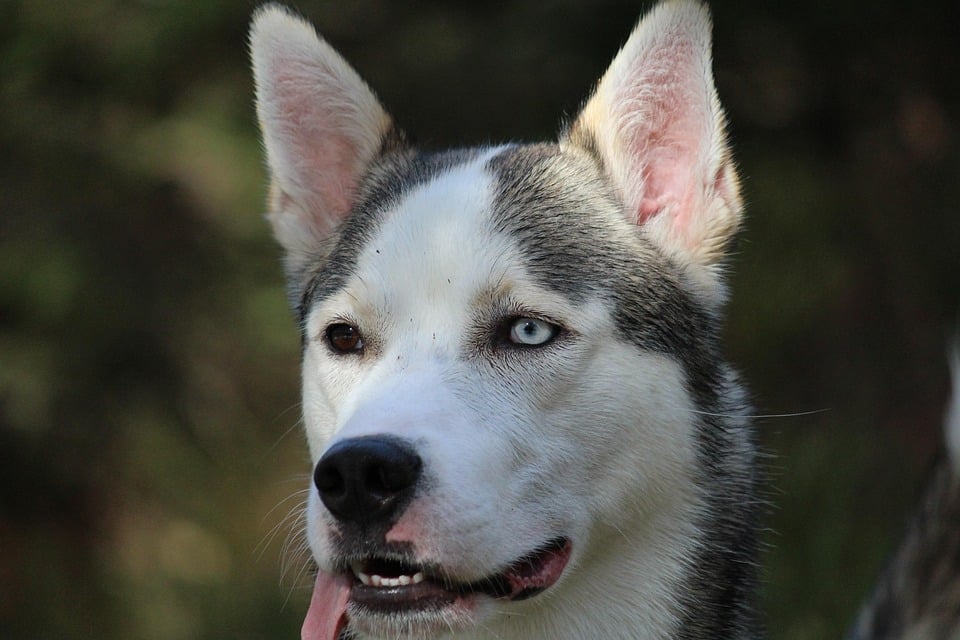
Alaskan Husky: The Joyful Companion Every Dog Lover Needs
The Alaskan Husky is not merely a breed; it’s an experience. These dogs are full of life and character, making them one of the most beloved choices for dog lovers around the globe. As a working breed originally developed for sledding and endurance tasks in the harsh Alaskan environment, Alaskan Huskies have a rich history and a vibrant personality that not only endears them to families but also makes them ideal companions for those seeking support in their lives.
Overview of the Alaskan Husky
History
The Alaskan Husky is a mixed-breed dog that can trace its roots back to the Inuit tribes of Alaska. These dogs were bred to be proficient in pull sleds over long distances and harsh terrains, representing a blend of various breeds, including Siberian Huskies and other northern dog breeds. Their history is one of resilience and endurance, prized for their athleticism, intelligence, and stamina. Throughout the years, they have shifted from work dogs to versatile companions—excelling in everything from racing to family life.
Temperament and Personality Traits
Alaskan Huskies are known for their friendly and outgoing nature. Here are some common traits:
- Affectionate: These dogs form strong bonds with their families and are often very affectionate.
- Energetic: High-energy levels require plenty of exercise; they thrive on physical activity.
- Intelligent: They have keen problem-solving abilities, which can make training easier—but also provides challenges if they get bored.
- Social: Alaskan Huskies typically enjoy the company of other pets and people, making them great family dogs.
Grooming Needs
While Alaskan Huskies have a thick double coat that sheds heavily, they are relatively low-maintenance. Regular brushing, especially during shedding seasons (twice a year), will help control hair around the house. Bathing should be minimal, as over-bathing can strip the coat of natural oils.
Health Considerations
Generally healthy, Alaskan Huskies can be prone to certain health issues, including hip dysplasia, eye problems, and skin conditions. Regular veterinary check-ups and vaccinations are essential to ensure a long and happy life.
Suitability for Households
Alaskan Huskies thrive in active households where they can get plenty of exercise and mental stimulation. They do well with families who love outdoor activities like hiking, running, or biking. Because they have a high prey drive, they may not be suitable for families with small pets unless properly trained and introduced.
Caring for Your Alaskan Husky
Training and Socializing
Training begins with consistency and patience. Here are some tips:
- Start Early: Begin training as a puppy to instill good habits.
- Positive Reinforcement: Use treats and praise to encourage desired behaviors.
- Socialization: Expose your husky to different people, pets, and environments to make them well-rounded.
Health and Wellness
- Exercise: Aim for at least an hour of intense exercise each day.
- Diet: Provide high-quality dog food suitable for their activity level.
- Regular Vet Visits: Keep up with vaccinations and check-ups for overall health.
Understanding emotional support animals (ESA)
An emotional support animal (ESA) is a pet that provides emotional and psychological comfort to its owner. Unlike service animals trained to perform specific tasks for individuals with disabilities, an ESA does not require specialized training.
People benefit from designating their pet as an ESA because:
- Companionship: ESAs offer an unwavering presence for individuals struggling with mental health conditions.
- Stress Reduction: Pets can significantly lower stress and anxiety levels.
- Improved Emotional Well-being: The bond between humans and animals can provide therapeutic support.
The Mental and Emotional Health Benefits of Pets
Real-Life Examples
Pets have a unique ability to bring joy and comfort. For instance, Sarah, a college student facing anxiety, found that her cat Bella provided her with a sense of security and normalcy. On particularly overwhelming days, simply holding Bella helped Sarah feel grounded and calm.
Similarly, John, a veteran suffering from PTSD, found solace in his Alaskan Husky, Max. The companionship provided him with a sense of purpose and routine, greatly improving his quality of life.
How Dogs and Cats Provide Emotional Support
The psychology behind the emotional support provided by pets can be attributed to various factors:
- Oxytocin Release: Interacting with pets releases oxytocin, a hormone associated with bonding and love.
- Routine: Caring for a pet encourages a daily routine, which can help create structure for those dealing with anxiety or depression.
- Reduced Loneliness: The companionship of pets helps combat feelings of isolation.
- Physical Touch: Being close to an animal offers physical affection, which has a calming effect on the mind.
Key Information
- Alaskan Huskies are energetic, intelligent, and friendly dogs ideal for active households.
- Grooming requires regular brushing, and they generally require minimal bathing.
- They may be prone to health issues such as hip dysplasia and eye problems.
- Training should begin early with positive reinforcement and socialization.
- Emotional Support Animals offer comfort and connection for individuals facing emotional challenges.
- Pets release oxytocin when interacting with humans, contributing to emotional well-being.
FAQs About Emotional Support Animals
What qualifies a pet as an Emotional Support Animal?
An ESA provides comfort and support to individuals with emotional or psychological issues, without needing specific training.Can any animal be an ESA?
While dogs and cats are the most common ESAs, other animals can qualify. However, each case is evaluated individually.What documentation do I need for an ESA?
You typically need a letter from a licensed mental health professional stating your need for an ESA.Are ESAs allowed in rental properties?
The Fair Housing Act protects ESAs, allowing them to be accommodated in housing that otherwise may not allow pets.Can companies deny access to my ESA?
ESAs do not have the same rights as service animals, but they can provide emotional support in specific settings.What’s the difference between an ESA and a therapy dog?
Therapy dogs provide comfort to multiple people, while an ESA primarily supports its owner.
Call to Action
If you believe your Alaskan Husky or any pet could benefit your emotional well-being, consider getting them certified as an Emotional Support Animal. Visit Veripaw.org today. Since 2012, Veripaw has been connecting pet owners with licensed mental health professionals, providing the necessary ESA documentation and access to high-quality pet accessories. Giving your pet this designation could be a life-changing decision for you both!


