
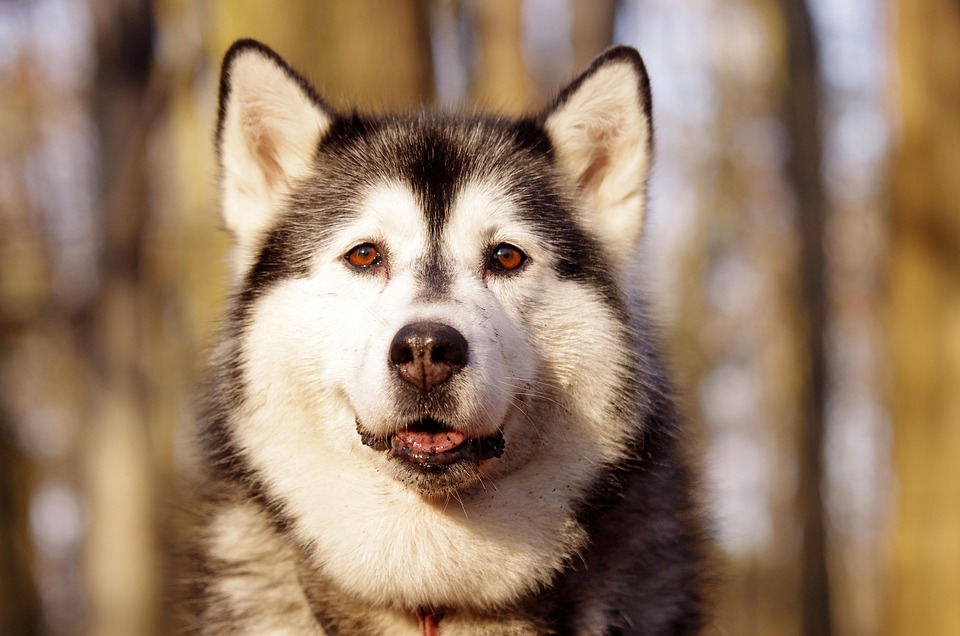
Alaskan Huskies: Unleashing Joy with Their Playful Personalities!
Alaskan Huskies are known for their friendly demeanor and spirited personalities. But did you know that these engaging dogs have a fascinating history and are often mistaken for other breeds? Let’s dive into the essentials about Alaskan Huskies, their traits, and how they can positively impact emotional well-being.
Overview of Alaskan Huskies
History
Alaskan Huskies originated from a blend of various breeds brought to Alaska by Native Alaskans thousands of years ago. These dogs were primarily bred for endurance and strength, enabling them to pull sleds across vast, snowy terrains. Unlike purebred dogs, Alaskan Huskies prioritize performance over appearance, leading to a varied physical form. They are often a mix of Siberian Husky, Greyhound, and even some hound breeds, giving them a versatile edge in capabilities.
Temperament and Personality Traits
Alaskan Huskies are characterized by their playful, energetic nature. They are friendly and get along well with children and other dogs, making them fantastic family pets. However, they possess a strong prey drive, meaning smaller animals may find themselves on their radar. If you’re considering a Husky, be prepared for a highly social dog that loves attention and play.
Grooming Needs
Despite their thick fur, Alaskan Huskies are relatively low-maintenance when it comes to grooming. They shed moderately, particularly during seasonal changes. Regular brushing is recommended to keep their coats healthy and to reduce shedding. A bath every few months is usually sufficient, though they can get dirty from their outdoor adventures!
Health Considerations
Generally, Alaskan Huskies are healthy dogs but can be prone to certain genetic issues like hip dysplasia and eye problems. Regular vet check-ups and a healthy diet will go a long way in keeping your Husky active and healthy.
Suitability for Different Households
Alaskan Huskies thrive in homes with active families. They require daily exercise to keep their minds and bodies stimulated. If you love outdoor activities like hiking or running, an Alaskan Husky might be a perfect match. However, they’re not well-suited for apartment living without ample exercise opportunities.
Tips for Training and Socializing
Training an Alaskan Husky can be rewarding but comes with its challenges due to their independent nature. Here are some tips:
-
Start Early: Begin socialization and basic training as soon as you bring your puppy home.
-
Positive Reinforcement: Huskies respond well to treats and praise. Use positive reinforcement to encourage desirable behaviors.
-
Consistency is Key: Be consistent with commands and rules to help your Husky understand what is expected.
-
Engage Their Minds: Huskies thrive on mental stimulation. Puzzle toys and training games can keep their minds sharp.
-
Regular Socialization: Expose your Husky to different environments, people, and animals to curb any potential aggression or fear.
emotional support animals (ESA)
An emotional support animal (ESA) is a pet that provides emotional comfort and support to individuals dealing with mental health issues. Unlike service dogs trained to perform specific tasks, ESAs require no formal training but are crucial for emotional well-being.
Benefits of ESAs
Designating your pet as an ESA can have myriad benefits. For many people, simply having a dog or pet nearby can alleviate feelings of anxiety, depression, and loneliness. Here are some key benefits:
-
Companionship: Pets, like Alaskan Huskies, offer unconditional love and companionship, reducing feelings of isolation.
-
Routine and Responsibility: Caring for a pet creates structure and routine, which can be incredibly grounding for individuals with anxiety or depression.
-
Physical Comfort: The act of petting or cuddling with a dog can release oxytocin, the “love hormone,” which improves mood.
Real-Life Examples
Consider Sarah, who struggles with anxiety. After adopting an Alaskan Husky, she noted a significant decrease in her anxiety levels. Walking her dog daily not only provided a sense of purpose but also improved her social interactions, connecting with other dog owners in the park.
Key Information
- History: Alaskan Huskies are a mix of breeds developed for endurance and strength, originally bred by Native Alaskans.
- Temperament: They are friendly, energetic, and social dogs needing daily physical and mental stimulation.
- Grooming: Moderately low maintenance, but regular brushing is recommended.
- Health: Generally healthy, though susceptible to hip dysplasia and eye issues.
- Training Tips: Use positive reinforcement, be consistent, and provide mental challenges.
- Emotional Support: ESAs provide comfort and stability, improving emotional well-being.
How Dogs and Cats Provide Emotional Support
The bond between humans and pets is strong, supported by science. Here’s how pets improve emotional health:
-
Reduction in Stress: Studies show that petting a dog can lower cortisol levels, reducing stress. The physical act of touching a pet induces relaxation, promoting a sense of calm.
-
Increase in Happiness: Interactions with pets can increase serotonin and dopamine levels in the brain, leading to feelings of happiness.
-
Improved Focus on the Present: Caring for a pet requires mindfulness, helping people stay in the moment rather than worrying about past or future stressors.
-
Social Connections: Walking a dog or visiting a pet-friendly place often leads to social interactions, which can help combat feelings of isolation.
FAQs about Emotional Support Animals
-
What qualifies as an ESA?
- An ESA can be any domesticated animal that provides emotional support to its owner.
-
Do ESAs require special training?
- No, ESAs do not need to be trained for specific tasks like service dogs do.
-
How can I get my pet certified as an ESA?
- You can consult a licensed mental health professional who can evaluate your need for an ESA.
-
Can I bring an ESA anywhere?
- ESAs have specific laws and protections, especially in housing and air travel, but they do not have the same access rights as service dogs.
-
Can I have more than one ESA?
- Yes, you can have multiple ESAs if they provide the needed emotional support.
Conclusion
If you’re looking for a fun, loving, and energetic companion, the Alaskan Husky may fit the bill. Not only can they bring joy and happiness into your home, but they can also serve as an effective Emotional Support Animal, helping improve emotional well-being.
For those considering the ESA route, Veripaw.org is a trusted resource that connects pet owners with licensed mental health professionals to obtain certification and access high-quality pet accessories. Since 2012, Veripaw has been a helping hand in the journey of pet ownership, making it easier for you to enjoy the companionship of your furry friend as an ESA. Don’t wait—unleash the joy of having a furry companion with the right support today!


