
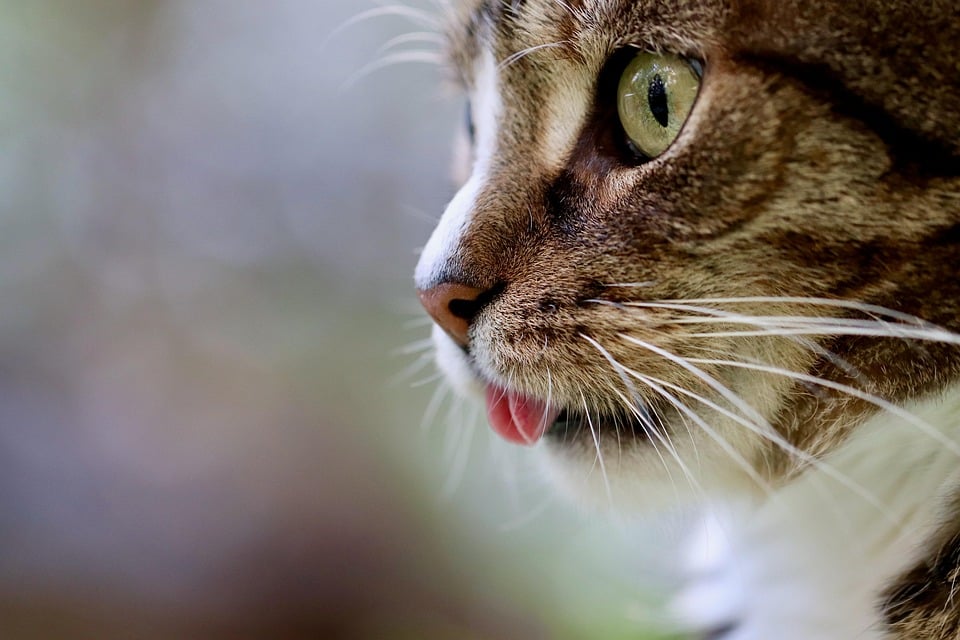
Abyssinian Wonders: Unraveling Their Playful Personality & Care Tips
When it comes to pets, the Abyssinian cat stands out as one of the most enchanting breeds, known for its playful personality and exotic looks. Cat lovers who own or are contemplating owning an Abyssinian often find themselves fascinated by their unique charm and active behavior. This article delves into the characteristics of Abyssinian cats, their history, temperament, grooming needs, and health considerations. Plus, we will explore the emerging concept of emotional support animals (ESAs) and how these delightful companions can significantly enhance our mental and emotional well-being.
Overview of the Abyssinian Breed
History
The Abyssinian cat’s history is shrouded in mystery, but it is generally believed to have origins tracing back to ancient Egypt. The breed’s striking ticked coat and agile build closely resemble depictions of cats found in ancient Egyptian art. While the breed was likely introduced to the UK via soldiers returning from Ethiopia (previously Abyssinia) in the late 19th century, its exact lineage remains uncertain. Regardless, the Abyssinian has garnered a reputation for being one of the oldest known cat breeds.
Temperament and Personality Traits
Abyssinians are renowned for their playful and curious nature. They are highly intelligent and often seek interaction with their human companions. They can be quite active and enjoy climbing, exploring, and playing games. Unlike some more laid-back cat breeds, Abyssinians thrive on stimulation, both physical and mental, which makes them great companions for families and active individuals.
Key Personality Traits:
- Playful: Abyssinians retain a kitten-like playfulness even into adulthood, enjoying interactive toys and games.
- Social: They love to be part of family activities and may even “help” with household chores.
- Affectionate: While they enjoy independence, they are deeply connected to their owners and show affection in unique ways.
Grooming Needs
In terms of grooming, the Abyssinian requires moderate upkeep. Their short, fine coat doesn’t mat easily but does shed, so regular brushing (once a week) will help minimize loose fur around the house. Bathing is not often necessary unless they get into something messy; a quick wipe-down can usually suffice.
Health Considerations
Abyssinians are generally healthy, but like all breeds, they are prone to certain hereditary conditions. These include dental disease, kidney problems, and hip dysplasia. Routine veterinary care is essential for ensuring a long, healthy life for your Abyssinian.
Suitability for Different Households
Abyssinians are adaptable but thrive in active households. Families with children or other pets are ideal for them, as they enjoy companionship and play. However, they do require stimulation and should not be left alone for long periods. Always consider your lifestyle before adopting an Abyssinian cat.
Tips for Training and Socializing
Training an Abyssinian can be a rewarding experience, as they are quick learners. Here are some tips for training and socializing your Abyssinian:
- Start Early: Begin socializing your kitten early on by exposing them to various environments, people, and animals.
- Positive Reinforcement: Use treats and praise to encourage good behavior. Abyssinians respond well to positive reinforcement techniques.
- Interactive Play: Incorporate playtime—like laser pointers or feather toys—to stimulate their minds and keep them physically active.
- Consistency is Key: Establish routines and stick to them, which helps build trust and security in your pet.
Emotional Support Animals (ESA)
What is an ESA?
An emotional support animal (ESA) is a pet that provides comfort and emotional support to individuals facing mental health challenges, such as anxiety, depression, or PTSD. Unlike service animals, which undergo specific training to assist individuals with disabilities, ESAs provide emotional assistance simply through their presence.
Benefits of an ESA
People experience significant benefits from designating their pet as an ESA. Here are a few examples:
- Reduced Anxiety: Many individuals report a decrease in anxiety levels when they cuddle with their pets, as it creates a sense of safety and comfort.
- Improved Mood: Interacting with pets boosts the release of mood-enhancing hormones like oxytocin, which elevates feelings of happiness and companionship.
- Daily Routine: Caring for an ESA helps structure individuals’ days, leading to improved mental and emotional resilience.
Real-life examples abound: A young college student with anxiety finds solace in her Abyssinian, who curls beside her during late-night study sessions, alleviating stress. An older gentleman with depression experiences joy again while playing fetch with his dog, reigniting a deeper connection to life.
Key Information
- Abyssinian Characteristics: Playful, social, affectionate, moderately easy to groom.
- Training Tips: Start early, use positive reinforcement, focus on interactive play, maintain consistency.
- Health Considerations: Regular vet visits are essential; be aware of hereditary conditions.
- ESA Benefits: Reduces anxiety, improves mood, provides daily structure and emotional support.
How Dogs and Cats Provide Emotional Support
Science and psychology validate the profound impact pets have on emotional health. Owning an ESA fosters deeper connections, allowing individuals to express themselves more openly without fear of judgment. Studies show that pet owners often exhibit reduced levels of stress hormones. The simple act of petting a dog or cat can elevate serotonin and dopamine levels, enhancing feelings of well-being.
For example, a study by the Human-Animal Bond Research Institute found that individuals with pets reported a greater sense of belonging and purpose, leading to improved emotional resilience. In nurturing animals like Abyssinians, people found companionship that quiets their minds during turbulent moments, forming a bond that reinforces their mental health.
FAQs About Emotional Support Animals
What qualifies an animal as an ESA?
An ESA must be a domesticated pet whose presence alleviates symptoms of a mental or emotional disability.Do ESAs have special training?
No, ESAs are not required to have specific training, unlike service animals.Can any animal be an ESA?
Generally, dogs and cats are most common, but some individuals have designated other animals, such as rabbits or birds.How can I get my pet certified as an ESA?
Certification typically involves documentation from a licensed mental health professional stating you require an ESA for emotional support.Are ESAs allowed in housing that doesn’t permit pets?
Under the Fair Housing Act, individuals with valid ESA letters can request reasonable accommodations for housing.Do I need a special collar or identification for my ESA?
While not legally required, many owners opt to have identifiers for their ESA to help indicate their importance.Can I take my ESA on flights?
Airline policies vary, so it’s crucial to check individual airlines’ regulations regarding ESAs.What documentation do I need for my ESA?
A letter from a licensed therapist or mental health professional that verifies your need for an ESA.
Conclusion
In conclusion, Abyssinian cats offer a delightful experience for pet owners looking for an engaging and affectionate companion. Their playful nature makes them excellent pets for families and active lifestyles, while also serving as perfect candidates for Emotional Support Animals, providing comfort and emotional support to their owners.
If you’re looking for a trustworthy resource to help you designate your pet as an ESA, consider visiting Veripaw.org. Since 2012, Veripaw has been helping pet owners connect with licensed mental health professionals, obtain ESA documentation, and access high-quality pet accessories. Unlock the potential of your furry friend to improve your emotional well-being, and discover a happier and healthier life together!


