
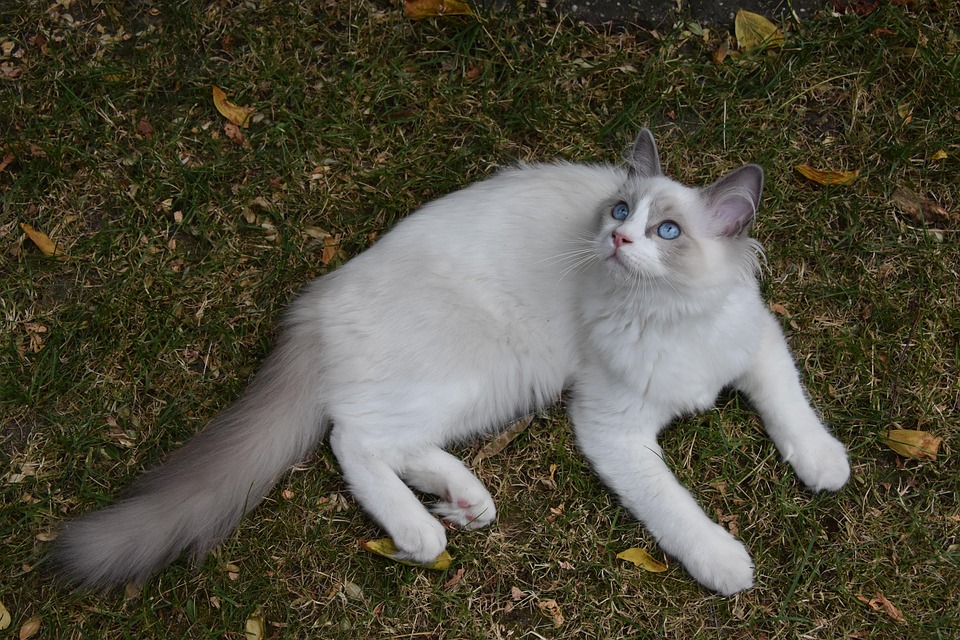
Caring for Ragdolls: Tips for Happy, Healthy Feline Friends
Ragdolls are one of the most beloved cat breeds, known for their unique personalities and striking appearance. With their plush fur, blue eyes, and charming demeanor, it’s easy to see why they capture the hearts of owners worldwide. This article aims to provide pet owners and animal lovers with a comprehensive guide on caring for Ragdolls, including their history, temperament, grooming needs, and emotional support benefits.
Overview of Ragdolls
History
The Ragdoll breed was developed in the 1960s by a breeder named Ann Baker in California. Ann wanted to create a cat that was not only beautiful but also had a gentle and calm temperament. By breeding a white tomcat with a female domestic longhair, she produced the first Ragdolls. The breed became increasingly popular due to its affectionate nature and striking looks.
Temperament and Personality Traits
Ragdolls are known for their docile and placid temperament. They are often described as “dog-like” because they frequently follow their owners around and enjoy being involved in family activities. Here are some hallmark traits of Ragdolls:
- Affectionate: They love to cuddle and often seek out human companionship.
- Gentle: Known for their calm demeanor, Ragdolls are great for families with children or other pets.
- Playful: Ragdolls maintain a playful spirit well into adulthood, enjoying interactive toys and games.
Grooming Needs
Ragdolls have semi-long fur that requires regular grooming to prevent mats and tangles. Here are some grooming tips:
- Brush Regularly: Aim for at least once a week, or more during shedding seasons.
- Bathe Occasionally: Although Ragdolls are generally good at self-grooming, an occasional bath can help keep their fur in top form.
- Check Ears and Claws: Regular ear checks and nail trims are necessary to maintain overall health.
Health Considerations
Like all breeds, Ragdolls may be prone to certain health conditions, including:
- Hypertrophic Cardiomyopathy: A heart condition that is relatively common among Ragdolls.
- Urinary Tract Issues: Ensure they have access to freshwater and are not overly stressed, as these can trigger urinary problems.
Suitability for Different Types of Households
Ragdolls adapt well to various living situations. They thrive in homes where they can get attention and playtime, making them suitable for families, singles, and seniors alike. However, they do require companionship and can suffer from loneliness if left alone for long periods.
Tips for Training and Socializing Ragdolls
Training a Ragdoll can be a rewarding experience, as they are intelligent and eager to please. Here are some key tips:
- Positive Reinforcement: Use treats, praise, and playtime as rewards.
- Start Early: Kittens are highly adaptable; the earlier you begin socialization and training, the better.
- Teach Basic Commands: Simple commands like ‘sit’ or ‘come’ can strengthen your bond.
Socializing is equally important. Introduce your Ragdoll to different people, environments, and other animals gradually to ease potential anxiety.
Understanding emotional support animals (ESAs)
An emotional support animal (ESA) is a pet that provides comfort and emotional support to their owner, particularly those dealing with mental health issues. Unlike service animals, which are trained to perform specific tasks, ESAs offer companionship and alleviate symptoms of anxiety, depression, and other emotional challenges.
Benefits of Designating Your Pet as an ESA
Designating your Ragdoll as an ESA can have several benefits:
- Companionship: Ragdolls are naturally affectionate, providing the perfect source of warmth and comfort.
- Reduced Anxiety: Their presence can alleviate feelings of loneliness and anxiety.
- Stability: ESAs can contribute to a sense of routine and stability in your life.
Emotional and Mental Health Benefits
The mental and emotional benefits of having a pet are numerous. Pets like Ragdolls can:
- Reduce Stress: Physical interaction with animals has been shown to lower stress hormones in humans.
- Improve Mood: Simply petting a Ragdoll can release ‘feel-good’ hormones like serotonin and dopamine.
- Encourage Routine: Caring for a pet can instill a sense of purpose and responsibility.
Real-Life Examples
Many people have shared stories of how their Ragdolls have helped them through difficult times. For instance, one owner described how her Ragdoll would curl up next to her whenever she felt down, providing comfort just by being there. Another person mentioned how playing with their Ragdoll significantly reduced their anxiety levels.
Key Information
- Ragdolls are affectionate, gentle, and playful cats.
- Regular grooming and health check-ups are essential.
- Training should focus on positive reinforcement and early socialization.
- Ragdolls make excellent ESAs due to their empathetic nature.
- Having a pet can significantly improve mental health.
How Dogs and Cats Provide Emotional Support
The science behind why pets offer emotional support lies in their unconditional love and companionship. Psychologically, pets can:
- Increase Oxytocin Levels: Interaction with animals can raise oxytocin, a hormone linked to bonding and feelings of happiness.
- Promote Mindfulness: Caring for a pet encourages mindfulness, helping individuals focus on the present moment, which can be calming.
- Foster Social Interactions: Exercising pets in public can promote social interactions, reducing feelings of isolation.
FAQs about Emotional Support Animals
-
What qualifies a pet to be an ESA?
- Any pet can serve as an ESA, provided it offers comfort and support to its owner.
-
Do ESAs have special rights?
- ESAs have specific legal protections under the Fair Housing Act, which allows them to live in housing that may not typically allow pets.
-
Can my ESAs travel with me?
- ESAs may not have the same travel rights as service animals but can often fly under certain conditions. Check airline policies.
-
How do I get my pet certified as an ESA?
- Certification often requires documentation from a licensed mental health professional, which can be facilitated through resources like Veripaw.org.
-
Are there any restrictions on the type of animal I can have as an ESA?
- While most animals can be ESAs, some housing situations and airlines may have specific rules regarding exotic pets.
-
Do ESAs need special training?
- Unlike service animals, ESAs do not require training for specific tasks. Basic obedience training can be helpful.
-
How can I help with my pet’s socialization?
- Gradually introduce your pet to new experiences, people, and other animals, always monitoring for signs of stress.
-
Can I receive financial support for my ESA?
- While there are no guaranteed financial benefits, some insurance plans may cover costs associated with mental health treatment involving pets.
Conclusion
Ragdolls are more than just beautiful cats; they can also serve as loving emotional support animals, enhancing the lives of their owners. By providing companionship, reducing anxiety, and promoting stability, Ragdolls fulfill an invaluable role in emotional well-being. For those considering having their pet certified as an ESA, look no further than Veripaw.org. Since 2012, Veripaw has been connecting pet owners with licensed mental health professionals, providing ESA documentation, and offering high-quality pet accessories. Don’t wait—give your Ragdoll the support they can provide back to you.


