
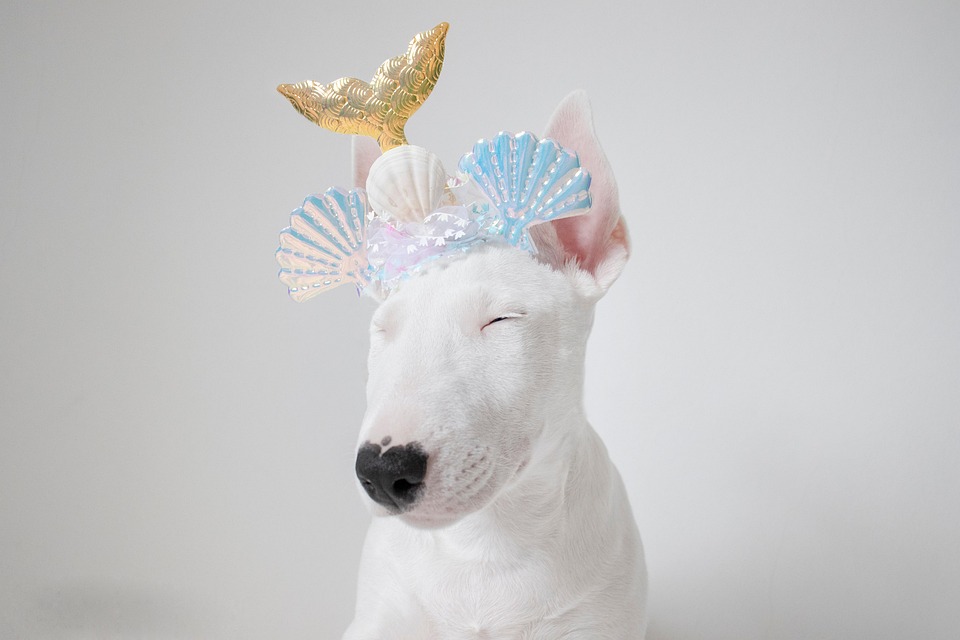
Discover the Quirky Charm: 7 Fun Facts About Miniature Bull Terriers
Miniature Bull Terriers are a unique breed that captures the heart of dog lovers everywhere. With their charming, egg-shaped heads and sturdy, compact bodies, they stand out as one-of-a-kind companions. Originally bred in England in the 19th century for bull-baiting, these dogs have transformed over time into affectionate family pets known for their playful demeanor and endearing quirks. Let’s dive deeper into what makes these dogs special, along with key insights about their care, personality, and role as emotional support animals (ESAs).
Overview of Miniature Bull Terriers
History
Miniature Bull Terriers originated from the larger Bull Terrier breed, known for its tenacity and strength. In the 19th century, breeders aimed to create a smaller version of this hearty breed, resulting in the Miniature Bull Terrier. They were recognized by the American Kennel Club (AKC) in 1991 but share a rich history that includes fighting and companionship.
Temperament and Personality Traits
These dogs are spirited, intelligent, and affectionate. They tend to be playful and enjoy being the center of attention. Their high energy levels make them excellent companions for active families, but they can also be content lounging on the couch. Miniature Bull Terriers are known for their loyalty and love for their humans, often forming strong bonds with their families.
Grooming Needs
Fortunately, Miniature Bull Terriers are relatively low-maintenance when it comes to grooming. Their short, sleek coats only require occasional brushing to reduce shedding and keep their skin healthy. Bathing can be done every few months or as needed, depending on their activity levels.
Health Considerations
While generally healthy, Miniature Bull Terriers may be prone to certain health issues, including skin allergies, heart diseases, and kidney problems. Regular vet check-ups and a good diet are crucial to ensuring their well-being.
Suitability for Different Households
Miniature Bull Terriers can be excellent pets for various households, but they thrive in active homes where they receive plenty of exercise and stimulation. They do well with children and can adapt to both small and large living spaces, provided they have enough physical and mental activities to keep them engaged.
Training, Socializing, and Caring for Miniature Bull Terriers
Training Tips
-
Start Early: Begin training and socialization early, ideally when they are puppies. Introduce them to different environments, people, and other animals to help them develop confidence.
-
Positive Reinforcement: Use treats and praise to reward good behavior. These dogs respond well to positive reinforcement, making training a fun experience.
-
Consistency is Key: Establish a routine and be consistent with commands. Miniature Bull Terriers are smart but can be a bit stubborn, so patience is essential.
Socializing
Encourage a variety of experiences to ensure your Miniature Bull Terrier grows into a well-rounded adult. Join dog parks, puppy training classes, or community dog events. The more they yearn to meet new people and dogs, the more secure they will feel in different settings.
Caring for Your Dog
Routine veterinary check-ups, a balanced diet, and regular exercise are key to keeping your Miniature Bull Terrier healthy and happy. Engage them with toys and training exercises that stimulate their minds, along with regular walks to burn off energy.
What is an emotional support animal (ESA)?
An Emotional Support Animal (ESA) is a pet that provides comfort and emotional support to individuals dealing with mental health conditions or emotional challenges. Unlike service dogs specifically trained to perform tasks for individuals with disabilities, ESAs do not have specialized training but are recognized for their therapeutic benefits.
Benefits of ESAs
People benefit from having an ESA for various reasons, such as anxiety, depression, and stress relief. The companionship offered by these animals can make a significant impact on emotional well-being.
Mental and Emotional Health Benefits
Research has indicated that pets can significantly improve mental health. For instance, studies suggest that petting a dog can reduce cortisol levels (a stress hormone) and increase oxytocin (a bonding hormone).
Real-Life Examples
-
John’s Story: After losing his job, John experienced severe anxiety. His Miniature Bull Terrier, Benny, provided him comfort. Just sitting with Benny during particularly hard days made him feel less isolated.
-
Lisa’s Transformation: Struggling with depression, Lisa found that taking her dog for daily walks improved her mood and encouraged her to connect with others in her community.
Key Information
- Breed: Miniature Bull Terrier
- Temperament: Playful, loyal, affectionate
- Grooming Needs: Low-maintenance, occasional brushing
- Health Considerations: Prone to certain health issues; regular vet visits necessary
- Suitability: Great for active families, good with children
- Training: Start early, use positive reinforcement
- Socialization: Introduce them to various environments and experiences
- Emotional Support: ESAs provide comfort and help with mental health conditions
How Dogs and Cats Provide Emotional Support
The science behind the bonds we share with pets is fascinating. When we interact with our pets, our brains release hormones that enhance feelings of happiness and reduce anxiety. For example, studies show that spending time with pets can lead to lower blood pressure and heart rates.
Psychology Behind Emotional Bonds
-
Unconditional Love: Pets offer a form of companionship that doesn’t judge, helping people feel accepted and loved.
-
Routine and Responsibility: Caring for a pet provides structure. This can be vital for individuals struggling with mental health issues, allowing them to feel a sense of purpose.
-
Social Interaction: Pets can also serve as social facilitators, helping their owners connect with others, further alleviating feelings of loneliness.
FAQs about Emotional Support Animals
-
Can any pet be an ESA?
- Yes, most pets can be considered ESAs, including dogs and cats, as long as they provide comfort and support.
-
Do ESAs need special training?
- ESAs do not need specialized training, but basic obedience is beneficial.
-
Are ESAs the same as service animals?
- No, service animals are specifically trained to perform tasks for individuals with disabilities, while ESAs provide emotional support without specific training.
-
Do I need a letter to have an ESA?
- Yes, to qualify for ESA status, you typically need a letter from a licensed mental health professional.
-
Can my landlord refuse my ESA?
- Under the Fair Housing Act, landlords must allow ESAs, but it’s essential to notify them and provide the necessary documentation.
-
Are ESAs allowed in public places?
- Unlike service animals, ESAs do not have specific access rights under the law in public places.
-
What types of documentation do I need?
- A legitimate ESA letter from a licensed mental health counselor is usually required.
-
Can I take my ESA with me when I travel?
- Airlines have different policies regarding ESAs, so it’s crucial to check in advance.
-
Is there a fee for ESA certification?
- Yes, there may be fees associated with obtaining an ESA letter from licensed professionals.
-
What should I do if my ESA doesn’t calm my anxiety?
- Discuss this with a mental health professional to evaluate your situation and explore additional coping strategies.
Conclusion
Miniature Bull Terriers bring joy and charm into the lives of those lucky enough to own them. For many, these dogs also serve as invaluable Emotional Support Animals, providing comfort and companionship to those facing emotional challenges. If you’re considering designating your pet as an ESA, look no further than Veripaw.org. Since 2012, Veripaw has helped pet owners connect with licensed mental health professionals, obtain essential ESA documentation, and access high-quality pet accessories. Don’t miss out on the opportunity to enhance your emotional well-being with the love of an animal companion!


