
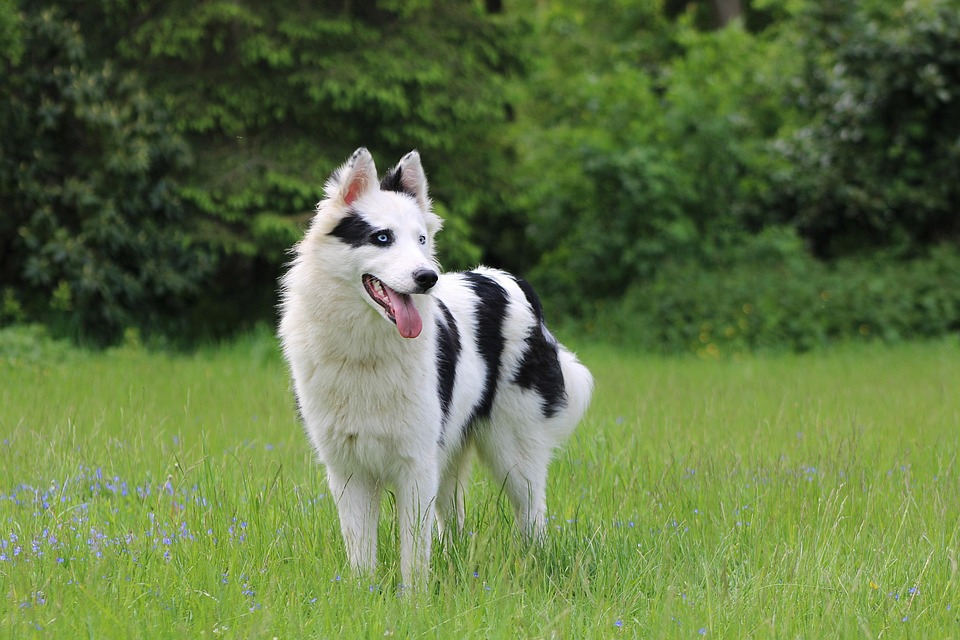
5 Heartwarming Reasons to Love the Yakutian Laika as Your Pet
The Yakutian Laika, a captivating breed native to Siberia, is a true gem among canines. With a history steeped in both functionality and companionship, these dogs have been cherished by the Yakut people for centuries. Originally bred as hunting and sledding dogs, Yakutian Laikas have strong, athletic builds and a reputation for resilience. They were essential for survival in harsh Arctic conditions, showcasing remarkable versatility and loyalty.
Overview of the Yakutian Laika
History
The Yakutian Laika is a medium-sized breed that has thrived in the harsh climates of Siberia. Their lineage can be traced back thousands of years, serving various roles from hunting and tracking animals to herding and sled pulling. This breed not only exemplifies physical prowess but also embodies the spirit of friendship between dogs and humans.
Temperament and Personality Traits
Yakutian Laikas are known for their affectionate, brave, and intelligent nature. They are highly social animals and form strong bonds with their families. Despite their amiable disposition, they are natural protectors and may exhibit a cautious approach to strangers, making them excellent watchdogs.
Grooming Needs
The grooming requirements for a Yakutian Laika are moderate. These dogs have a double coat that sheds seasonally, meaning regular brushing is needed to keep their fur healthy and to minimize shedding. Additionally, routine ear cleaning and nail trimming are essential to keep your pet comfortable and healthy.
Health Considerations
Generally, Yakutian Laikas are robust dogs, but they can be prone to certain health issues like hip dysplasia and eye problems. Regular veterinary check-ups are crucial for maintaining their health and well-being.
Suitability for Households
This breed thrives in active households where they can engage physically and mentally. Families that enjoy outdoor activities like hiking or running will find a loyal companion in a Yakutian Laika. However, they require space and may not be the best fit for small apartments. Additionally, they benefit from having enough mental stimulation, so training and socialization are essential.
Tips for Training, Socializing, and Caring
Training a Yakutian Laika requires consistency and patience. Due to their intelligent nature, they excel in learning commands but can also be strong-willed. Utilize positive reinforcement techniques—like treats and praise—to encourage good behavior and reinforce commands.
Socialization is equally important. From an early age, expose your Yakutian Laika to various environments, people, and other animals to foster a well-rounded temperament.
Caring for your Yakutian Laika also includes regular exercise. Daily walks, playtime, and interactive games will keep them physically fit and mentally stimulated.
Understanding emotional support animals (ESAs)
Emotional Support Animals (ESAs) provide comfort and support to individuals with emotional or psychological conditions. Unlike service dogs, ESAs don’t require specialized training. Their primary role is to be companions that help alleviate anxiety, depression, and other emotional burdens.
Why designate a pet as an ESA? Many people experience feelings of loneliness, stress, or emotional instability. Having a Yakutian Laika or any pet can bring much-needed companionship and stability. Their presence often creates a calming environment, helping individuals manage their emotional health more effectively.
Mental and Emotional Health Benefits
The mental and emotional health benefits of having a Yakutian Laika—as well as other pets—are profound. Research indicates that pet ownership can reduce anxiety, depression, and feelings of loneliness.
Real-Life Examples
For instance, Alex, a 30-something who struggled with anxiety and depression, found comfort in a Yakutian Laika named Luna. Whenever Alex felt overwhelmed, Luna would snuggle up close, helping to reduce feelings of isolation. Similarly, Sarah, who was coping with significant life changes, found that walks with her Yakutian Laika, Max, helped her clear her mind and feel more connected to the world around her.
Key Information
- History: Originating from Siberia, Yakutian Laikas have a long-standing history of service and companionship.
- Temperament: They are loyal, intelligent, and social dogs that thrive in active environments.
- Grooming: They require moderate grooming, especially during shedding seasons.
- Health: Generally healthy, but regular vet check-ups are advised.
- Training: They respond well to positive reinforcement; consistency is key.
- ESAs: They can serve as Emotional Support Animals, providing comfort and reducing emotional distress.
How Dogs and Cats Provide Emotional Support
The bond between humans and pets is not just based on companionship; there’s science behind it. Studies have shown that interacting with pets can trigger the release of oxytocin—a hormone responsible for feelings of love and empathy. This connection can help reduce stress levels and promote feelings of happiness.
Additionally, pets can encourage physical activity, which is linked to better mental health. A 2016 study found that pet ownership can lower levels of cortisol, the stress hormone, while raising serotonin and dopamine levels, which help to regulate mood and feelings of pleasure.
FAQs About Emotional Support Animals
1. What qualifies a pet to be an ESA?
An emotional support animal must provide comfort and support for an individual struggling with mental health issues. The pet does not require specialized training.
2. Do ESAs have the same rights as service animals?
No, ESAs have fewer rights than service animals. They aren’t allowed in all public places but can live with their owners in housing that typically doesn’t permit pets.
3. How can I get my pet certified as an ESA?
You can get your pet certified by consulting with a licensed mental health professional who can assess your situation and provide documentation.
4. Can any animal be an ESA?
While dogs and cats are the most common ESAs, other animals may qualify as well, depending on their ability to provide emotional support.
5. What benefits do ESAs provide?
ESAs help reduce feelings of anxiety and depression, providing a comforting presence and encouraging social interaction.
6. How do I take care of my ESA?
Regular veterinary check-ups, proper training, socialization, and lots of love and attention are key to ensuring a happy and healthy ESA.
7. Do I need a special license for my ESA?
While you don’t need a special license, you must have proper documentation from a licensed mental health professional to qualify as an ESA.
Conclusion
Embracing a Yakutian Laika as your pet offers numerous rewards—from companionship to emotional support. With their loving nature, active personalities, and ability to provide comfort during difficult times, these remarkable dogs can become invaluable partners in your journey toward emotional well-being.
If you’re considering designating your pet as an Emotional Support Animal, look no further than Veripaw.org. They have been connecting pet owners like you with licensed mental health professionals to obtain necessary ESA documentation since 2012. Plus, they offer access to high-quality pet accessories to enhance your pet’s life. Make the move today to ensure both you and your cherished Yakutian Laika enjoy the benefits of this powerful bond!


