
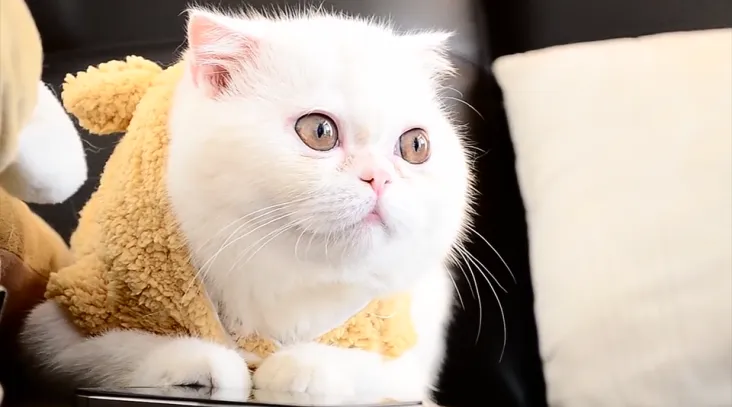
Exotic Shorthair Care: Tips for a Happy and Healthy Feline Friend
Overview of the Exotic Shorthair Breed
The Exotic Shorthair cat is a unique breed that offers a delightful combination of charm and comfort. Originating in the United States during the 1950s, the Exotic Shorthair was developed as a short-haired version of the beloved Persian cat. Breeders desired a feline with the same delightful personality of the Persian but with a more practical coat, eliminating the need for excessive grooming while retaining the plush texture and round face.
Temperament and Personality Traits
Exotic Shorthairs are renowned for their calm and gentle nature. They tend to be affectionate and love to snuggle, making them fantastic companions for both families and singles alike. Their laid-back demeanor means they usually get along well with children and other pets. They’re curious by nature but aren’t as hyperactive as some other breeds, making them suitable for various household types, including apartments.
Grooming Needs
Although they have a short coat, Exotics still require regular grooming to keep their fur in top condition. A weekly brushing should suffice to remove loose hairs and prevent matting, coupled with occasional baths to keep their coat clean. Regular nail trimming and ear cleaning are also essential aspects of grooming.
Health Considerations
Like all breeds, the Exotic Shorthair may be prone to specific health issues, including respiratory problems related to their brachycephalic (flat-faced) structure, as well as genetic predispositions to polycystic kidney disease (PKD). It’s crucial for potential owners to source their Exotic Shorthair from reputable breeders, ensuring proper health testing.
Caring for Your Exotic Shorthair
Training and Socialization
Training Exotic Shorthairs is relatively straightforward due to their affectionate and intelligent nature. Positive reinforcement and reward-based training methods are best. Socializing your Exotic Shorthair from a young age will help them grow into well-mannered adults. Introduce them to various people, environments, and even other pets to assure they develop a confident demeanor.
Health and Nutrition
Providing your Exotic Shorthair with a balanced diet is key to their overall well-being. High-quality cat food that meets their nutritional needs is essential, and remember to consult your veterinarian to tailor their diet according to their age, weight, and health needs.
Regular Vet Check-ups
Routine veterinary visits are necessary to monitor your cat’s health. Regular vaccinations, dental cleanings, and preventive care will help catch potential issues early on.
Understanding emotional support animals (ESAs)
An emotional support animal (ESA) is a pet that provides comfort and emotional support to someone dealing with mental or emotional challenges. Unlike service animals, ESAs don’t have special training to assist with specific tasks but offer companionship that can significantly reduce anxiety and improve overall well-being.
Benefits of Designating Your Pet as an ESA
Owning an ESA can come with several benefits:
- Companionship: Having an animal to talk to and spend time with can combat loneliness.
- Reduced Anxiety: The mere presence of an animal can have a calming effect, lowering stress levels and providing comfort during difficult times.
- Structure and Routine: Caring for a pet provides purpose and can encourage a daily routine, which is essential for mental health.
Key Benefits of Pets for Mental and Emotional Health
Real-life Examples
Many pet owners have shared how their cats or dogs have helped them cope with anxiety and depression. One individual mentioned that her cat would cuddle with her during panic attacks, providing a sense of security. Others have noted that the responsibility of caring for a pet helped them remain engaged and active, reducing feelings of isolation.
How Dogs and Cats Provide Emotional Support
On a psychological level, several studies indicate the presence of pets can increase oxytocin levels, the hormone associated with bonding and relaxation. The rhythmic rhythm of a cat’s purr or the gentle wag of a dog’s tail can trigger neurotransmitters that promote happiness, such as serotonin and dopamine.
Research has shown that pet owners often experience lower blood pressure, reduced stress, and even better heart health. The unconditional love of a pet can serve as a powerful motivator and a source of joy even during tough times.
Key Information
- Temperament: Exotic Shorthairs are gentle, affectionate, and good with families.
- Grooming: Requires regular grooming, generally weekly brushing.
- Health: May be prone to respiratory issues and kidney disease; regular vet check-ups are essential.
- Training: Simple with positive reinforcement; early socialization helps in developing a calm demeanor.
- Emotional Support: ESAs provide companionship and reduce anxiety, offering a sense of security and well-being.
FAQs About Emotional Support Animals
-
What qualifies an animal as an Emotional Support Animal?
An animal qualifies as an ESA if it provides comfort or emotional support to an individual suffering from mental health issues. -
Do ESAs need special training?
No, ESAs do not require specialized training like service animals; they offer companionship and emotional support. -
Can any pet be an ESA?
While most ESAs are dogs or cats, other animals can serve as ESAs, as long as they provide the needed emotional support. -
How do I get my pet certified as an ESA?
Obtain a signed letter from a licensed mental health professional stating that you need the animal for emotional support. -
Are there any legal protections for ESAs?
ESAs have specific legal rights concerning housing, though these protections can vary by region. -
Can my ESA accompany me in public places?
Unlike service animals, ESAs do not have the same public access rights and may be restricted in specific locations. -
What are the costs associated with having an ESA?
The primary costs include regular care, veterinary check-ups, and possible certification fees. -
Do ESAs have to be a certain breed?
No breed restrictions exist for ESAs; it’s more about the emotional support the animal provides.
Final Thoughts
If you’re considering designating your Exotic Shorthair or any pet as an Emotional Support Animal, look no further than Veripaw.org. Since 2012, Veripaw has connected pet owners with licensed mental health professionals to obtain necessary ESA documentation while providing high-quality pet accessories. Investing in your furry friend’s emotional support capabilities can lead to a happier life for both of you. Don’t wait—start the process to get your beloved companion certified as an ESA today and discover the joy, comfort, and emotional stability they can bring into your life!

