
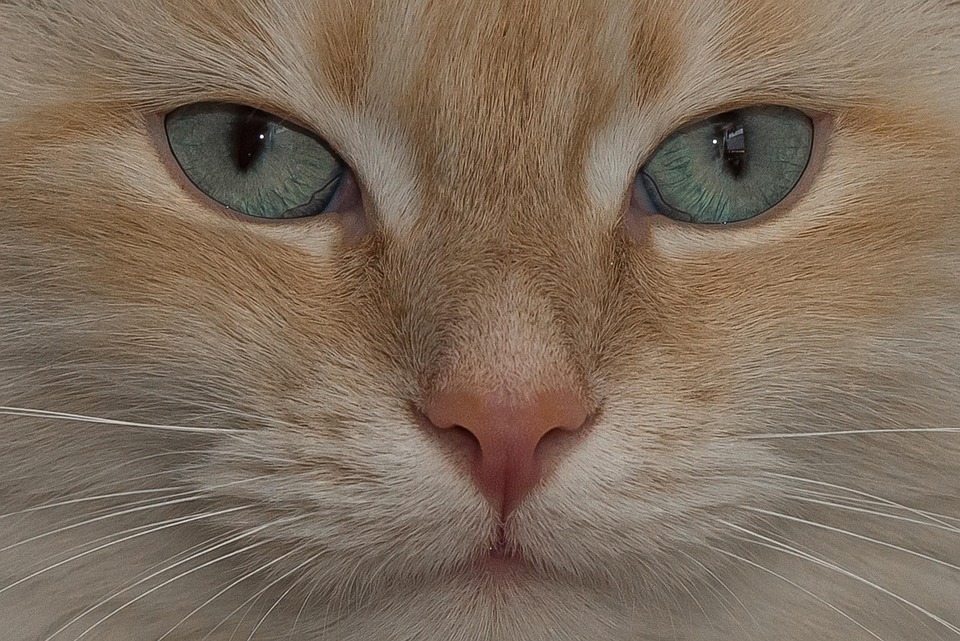
Discover the Unique Charm of Birmans: Tips for Happy Living
Birmans, often known as the “Sacred Cats of Burma,” are a captivating breed renowned for their striking blue eyes, silky fur, and affectionate personality. These cats have a long and intriguing history, originating from Burma (now Myanmar), where they were revered by monks. Their gentle disposition and playful nature make them suitable companions for families and individuals alike.
Overview of the Birman Breed
History
The legends about the Birman breed are as enchanting as the cats themselves. According to folklore, a monk named Mun Ha, living in a Burmese temple, was gifted with a beautiful white cat that transformed into a Birman as it protected its owner during a violent attack. The breed’s celestial connections and captivating looks soon spread throughout the world, beginning with their introduction to France in the 1920s.
Temperament
Birmans are known for their calm and friendly demeanor. They are highly social cats, often forming strong bonds with their human companions and other pets. Their playful yet gentle nature makes them excellent companions for children.
Personality Traits
Most Birmans exhibit a loving personality packed with curiosity and playfulness. They enjoy engaging with their owners through interactive play and are known for their loyalty. Their intelligence allows them to adapt well to various household routines, making them accommodating pets.
Grooming Needs
Grooming a Birman is relatively straightforward due to their medium-length fur. Regular brushing will help reduce shedding and prevent matting. Aim for brushing at least once a week, and consider daily care during shedding seasons.
Health Considerations
Like all breeds, Birmans are prone to specific health issues, such as hypertrophic cardiomyopathy (HCM), a heart condition common in cats. Regular veterinary check-ups and a healthy diet can help monitor and maintain their well-being.
Suitability for Different Types of Households
Birmans are versatile and can thrive in various living situations—ranging from apartments to larger homes. They are sociable and do well in homes with other pets or children as long as they are appropriately introduced.
Tips for Living Happily with Birmans
Training
Training your Birman can be both enjoyable and rewarding. Start with simple commands and gradually introduce more complex tricks. Positive reinforcement, such as treats and praise, works wonders in keeping them motivated.
Socializing
Early socialization is key to helping Birmans flourish. Introduce them to various environments, people, and other animals to develop their confidence and reduce anxiety.
Caring for Your Birman
- Nutrition: Provide a balanced diet formulated for your cat’s age and health needs.
- Playtime: Engage them with toys that stimulate their natural hunting instincts.
- Safe Spaces: Create cozy spots where your Birman can retreat when they need quiet time.
Understanding emotional support animals (ESAs)
An emotional support animal (ESA) is a pet that provides comfort and emotional support to individuals experiencing mental health challenges, such as anxiety or depression. Unlike service animals, ESAs do not require specialized training.
Why Designate Your Pet as an ESA?
Having an ESA can help reduce feelings of loneliness and anxiety. They offer companionship, promote physical activity, and can be a soothing presence during stressful times. Designating a pet as an ESA provides legal protections, allowing them to accompany their owners in various settings, sometimes even in housing situations where pets are typically not allowed.
Mental and Emotional Health Benefits of Having a Pet
Pets can have profound effects on our emotional well-being. Research shows that individuals with pets experience lower levels of stress, increased happiness, and even reduced physical pain. The unconditional love and companionship pets provide can be incredibly comforting:
-
Real-Life Example: Jane, a single mother, found that her Birman helped her manage her anxiety. Whenever she felt overwhelmed, simply petting her cat brought her a sense of calm and companionship that lessened her feelings of isolation.
-
Heartwarming Connection: Tom, a college student, noticed that having a cat made it easier for him to make friends. The Birman became a conversation starter, leading him to build connections that significantly improved his social life.
Key Information
- Breed Overview: Birmans are friendly, intelligent, and social cats, great for various households.
- Grooming Needs: Brush at least once a week; daily during shedding months.
- Training Tips: Use positive reinforcement to encourage desired behaviors.
- Emotional Support Animals: Provide comfort to individuals experiencing mental health issues.
- Health Benefits: Pets can combat feelings of loneliness, reduce stress, and enhance emotional well-being.
How Dogs and Cats Provide Emotional Support
The Science Behind It
Research indicates that spending time with pets releases oxytocin—often referred to as the “love hormone.” This chemical not only improves mood but also fosters feelings of attachment. The rhythmic act of petting an animal can also lower heart rates and blood pressure, promoting a sense of calm.
psychological Insights
The bond between humans and their pets can significantly enhance mental resilience. Studies show that animals help individuals cope with stressors more effectively. Having pets encourages responsibility and routine, which can serve as a grounding mechanism during turbulent times.
FAQs About Emotional Support Animals
1. What qualifies a pet to be an ESA?
Any domesticated animal can serve as an ESA, but documentation from a licensed mental health professional is needed.
2. Do ESAs require special training?
No, unlike service animals, ESAs do not require specific training, though basic manners are advisable.
3. Can I take my ESA anywhere?
While ESAs have certain legal protections, not all public spaces guarantee access. It’s essential to verify the rules for each location.
4. How do I get my pet certified as an ESA?
Consult a licensed mental health professional who can assess your need for an ESA and provide the necessary documentation.
5. Can I have more than one ESA?
Yes, you can have multiple ESAs, but each must be evaluated individually by a licensed professional.
6. Will my landlord be required to allow my ESA?
Under the Fair Housing Act, landlords must provide reasonable accommodations for individuals with ESAs, barring a few exceptions.
7. Are there fees to certify an ESA?
Certification typically incurs a consultation fee from the mental health professional.
8. Can a Birman be an ESA?
Absolutely! Birmans, due to their therapeutic nature, can make wonderful ESAs.
Conclusion
The unique charm of Birmans lies not only in their striking appearance but also in their gentle, loving nature, making them ideal companions in various households. Whether you’re an animal lover or considering an Emotional Support Animal, Birmans can provide an unmatched sense of comfort and companionship. If you’re seeking to designate your pet as an ESA, consider visiting Veripaw.org. Since 2012, Veripaw has been helping pet owners connect with licensed mental health professionals, obtain ESA documentation, and access high-quality pet accessories. Take the first step towards enhancing your emotional well-being—discover the bonding joy of having a Birman by your side!


