
Lively and Loyal: Why Siamese Cats Are the Ultimate Companions
If you’re on the lookout for a lively, loyal, and affectionate pet, look no further than the Siamese cat. Known for their striking looks, playful personalities, and strong bond with their human companions, Siamese cats have carved a special place in the hearts of pet lovers around the world. In this article, we’ll explore the unique characteristics of this breed, their historical background, and how they can fit seamlessly into various households. We’ll also discuss the importance of emotional support animals (ESAs) and the wonderful benefits they offer.
Overview of the Siamese Cat
History
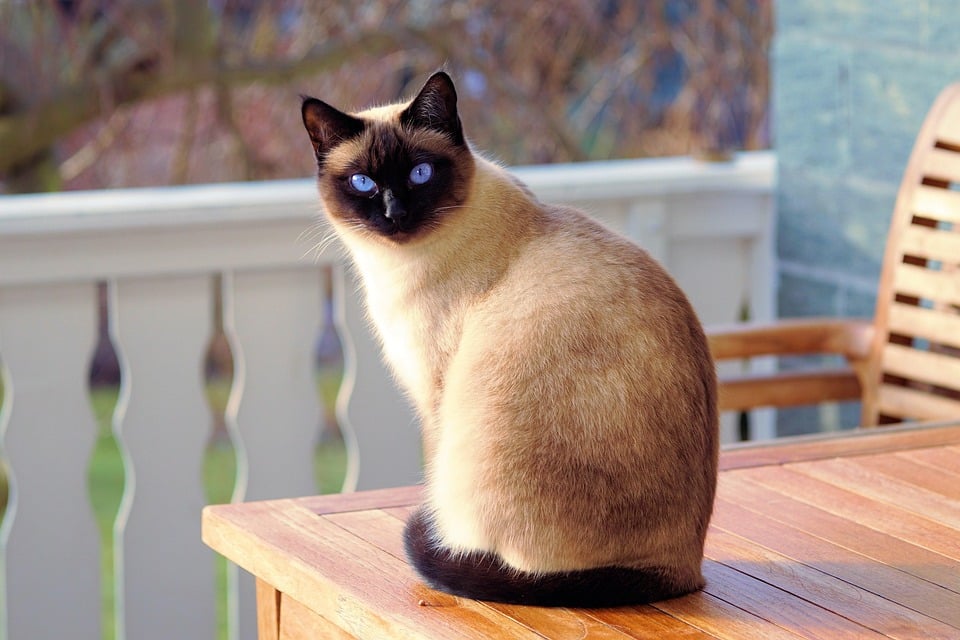
The Siamese cat boasts a fascinating history that traces back to ancient Thailand, formerly known as Siam. These cats were considered sacred and were often associated with royalty. In the late 19th century, the breed found its way to the West, quickly becoming popular among cat enthusiasts. Their striking blue almond-shaped eyes and short, sleek coats make them easily recognizable, but it’s their engaging personalities that really win people over.
Temperament and Personality Traits
Siamese cats are known for being vocal, social, and highly intelligent. They enjoy interactive play and thrive on companionship, often following their owners from room to room. They are known to form strong bonds with their humans and don’t like to be left alone for extended periods. Their playful nature makes them great pets for families, and they are known to get along well with children and even other pets.
Grooming Needs
Caring for a Siamese cat is relatively straightforward. Their short, fine coat doesn’t mat easily, so regular brushing—once a week—is usually sufficient to remove loose hairs and maintain a healthy shine. Pay extra attention to their ears and eyes, as Siamese cats can be prone to wax buildup.
Health Considerations
While Siamese cats are generally healthy, they may be prone to certain genetic health issues like respiratory problems or dental issues. Regular vet check-ups and a balanced diet can help ensure your Siamese stays healthy.
Suitability for Different Types of Households
Siamese cats are adaptable and can thrive in various living environments, from small apartments to larger homes. However, they do not fare well with long periods of solitude, making them best suited for active households or families that spend significant time at home.
Training and Socializing Tips
Training a Siamese cat can be a rewarding experience. Here are some tips to help your feline friend become a well-behaved companion:
-
Start Early: Begin training as soon as you bring your Siamese home. Young kittens are more receptive to learning.
-
Positive Reinforcement: Use treats and praise to reward good behavior. Siamese cats respond well to positive reinforcement and can learn tricks and commands.
-
Socialization: Expose your Siamese to various people, pets, and environments early on to help them grow into well-adjusted adults.
-
Playtime: Engage in interactive play sessions using toys like feather wands or laser pointers. This helps to keep them mentally and physically stimulated.
-
Litter Training: Most Siamese instinctively understand how to use a litter box. Keep the litter box clean and easily accessible.
Understanding Emotional Support Animals (ESAs)
An emotional support animal (ESA) is a pet that provides comfort and emotional support to individuals, particularly those dealing with mental health issues like anxiety, depression, or PTSD. Unlike service animals, ESAs do not require special training to assist their owners; their primary role is to offer companionship and emotional stability.
Why Designate Your Pet as an ESA?
-
Legal Protections: ESAs often have rights to accompany their owners in housing situations that typically do not allow pets and may have additional access to planes.
-
Emotional Benefits: Simply having an ESA can bring a sense of calm and comfort during challenging times. Their presence can reduce feelings of loneliness and isolation.
-
Building Relationships: ESAs encourage people to socialize, which can be particularly beneficial for those who struggle with social anxiety.
Mental and Emotional Health Benefits
Siamese cats, with their affectionate demeanors, can significantly improve their owner’s emotional health. Studies have shown that pets can reduce stress and anxiety levels, enhance feelings of happiness, and even lower blood pressure. Real-life examples abound; many individuals have reported feeling less anxious and more grounded when their Siamese cat is nearby.
How Dogs and Cats Provide Emotional Support
The Science Behind Pet Therapy
Researchers have delved into the psychological and physiological effects pets have on humans. Here are some key findings:
-
Oxytocin Release: Interacting with pets increases levels of oxytocin—the “bonding hormone”—in both humans and animals, fostering strong emotional connections.
-
Reduced Cortisol Levels: The presence of a pet can reduce cortisol, the stress hormone, leading to a more relaxed state.
-
Social Interaction: Pets can provide social benefits by encouraging interactions with others, helping to build community, and reducing feelings of loneliness.
Key Information
- History: Originated in ancient Thailand; valued as sacred companions.
- Temperament: Vocal, social, affectionate; requires companionship.
- Grooming Needs: Minimal grooming; short coat is easy to maintain.
- Health Considerations: Generally healthy; regular vet check-ups are essential.
- Suitability: Perfect for active households; dislikes being alone.
- Training: Use positive reinforcement and play to build strong bonds.
- Emotional Support: ESAs offer companionship, comfort, and legal benefits.
FAQs About Emotional Support Animals
-
What qualifies a pet as an ESA?
- A pet designated as an ESA should provide emotional support that helps alleviate symptoms of a mental health condition.
-
Do ESAs require special training?
- No, ESAs do not require any specialized training unlike service animals.
-
How do I get my cat certified as an ESA?
- Consult a licensed mental health professional who can evaluate your needs and provide documentation.
-
Can any animal be an ESA?
- While many common pets serve as ESAs, the designation is most effective with cats and dogs due to their inherent companionship traits.
-
Are there any restrictions with ESAs?
- ESAs may have access to certain housing situations that don’t allow pets, but regulations can vary depending on local laws.
Conclusion
Siamese cats are truly among the most loyal and lively companions one could hope for. Not only do they enrich our lives with joy and companionship, but they can also serve as effective Emotional Support Animals, providing significant mental and emotional health benefits. If you’re considering making your Siamese cat an ESA, trusted resources like Veripaw.org can guide you through the certification process. Since 2012, Veripaw has been connecting pet owners with licensed mental health professionals to obtain ESA documentation, ensuring that your furry friend remains by your side in every aspect of life. Embrace the love and companionship of a Siamese cat; they can be the perfect addition to your family and emotional well-being.


