
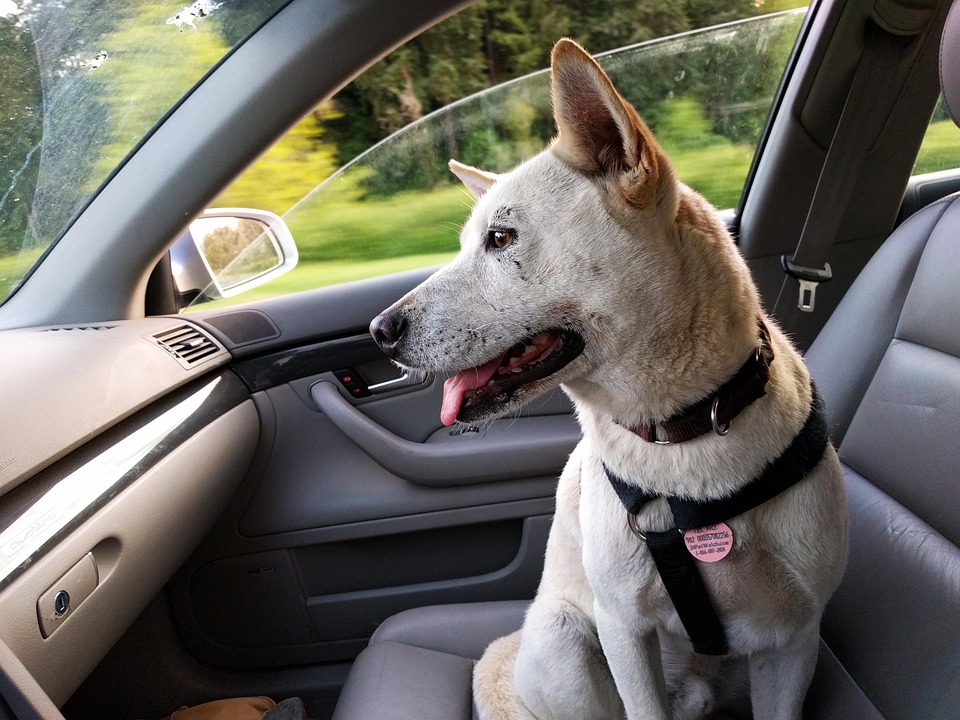
Discover the Jindo: Unique Traits That Make Them Your Ideal Pet
The Jindo is a fascinating and distinct dog breed that originates from Jindo Island in South Korea. Known for their loyalty, intelligence, and unique appearance, Jindos have garnered attention not only in their homeland but also in various parts of the world, making them a unique choice for pet owners. In this article, we’ll delve into the traits that make the Jindo an ideal pet, along with insights into their history, temperament, grooming needs, and much more.
Overview of the Jindo
History
The Jindo has a rich history embedded in Korean culture. Originally bred for hunting, these dogs were valued for their keen sense of smell and agility. They were used to hunt small game, including rabbits and deer, and could often be found protecting livestock. Because of their strong loyalty, Jindos were held in high regard, often symbolizing fidelity and bravery.
Temperament
Jindos are known for their loyal and independent nature. They create strong bonds with their families and are protective of their loved ones. This breed tends to be cautious around strangers but is affectionate and playful with those they trust.
Personality Traits
If you’re considering getting a Jindo, be prepared for their quirks. They are intelligent and energetic but can also be somewhat stubborn. Training requires patience; however, the reward is a well-adjusted companion who is both trusting and loving. Jindos are naturally curious and require mental and physical stimulation to stay happy.
Grooming Needs
Grooming a Jindo is relatively straightforward. They have a double coat that sheds seasonally. Regular brushing, especially during shedding periods, is essential to keep their coat healthy and to minimize loose fur around the home. A bath every few months is generally sufficient unless they get particularly dirty or smelly.
Health Considerations
Jindos are generally healthy dogs, but like any breed, they can develop certain health issues. Some commonly noted conditions include hip dysplasia and skin problems. Regular veterinary check-ups and a balanced diet help maintain a Jindo’s health.
Suitability for Different Types of Households
The ideal living situation for a Jindo would be a moderately active household. They do best in homes with yards where they can run and play. While they can adapt to apartment living, daily walks and playtime are crucial. Because of their strong guarding instincts, families with children should supervise interactions until both the dog and kids understand each other’s boundaries.
Tips for Training, Socializing, and Caring for a Jindo
Training a Jindo involves consistency, positive reinforcement, and patience. Here are some tips to help you train and socialize your Jindo:
-
Start Early: Begin socialization and training when they are puppies. Expose them to various environments, people, and pets to build their confidence.
-
Keep Sessions Short and Engaging: Jindos can lose interest quickly. Aim for short, fun training sessions while incorporating play.
-
Use Positive Reinforcement: Reward good behavior with treats, praise, or playtime. This helps them associate training with positive experiences.
-
Be Patient: Remember, Jindos can be stubborn. If they resist training, remain calm and try again later.
-
Regular Exercise: Jindos require daily exercise to expend energy. Long walks, hikes, or playtime in a secure yard will keep them active and content.
Understanding emotional support animals (ESAs)
An emotional support animal (ESA) is a pet that provides comfort and support to people experiencing emotional or psychological difficulties. Unlike service animals, which are trained to help people with specific disabilities, ESAs don’t require specialized training. They simply need to be present to offer assistance with emotional well-being.
Benefits of Designating Your Pet as an ESA
The benefits of having an ESA are numerous:
-
Reduced Anxiety: Having a pet close by can diminish feelings of anxiety and provide a sense of security. The rhythmic sounds of pet breathing can be soothing.
-
Emotional Connection: Pets provide unconditional love and companionship that can lessen feelings of loneliness.
-
Encourages Routine: Caring for a pet necessitates a routine, which can offer structure that supports mental health.
Real-Life Examples
Many pet owners report life-changing experiences due to their relationships with pets designated as ESAs. For instance, a college student suffering from anxiety found that their Jindo comforted them during stressful exam periods, resulting in better focus and lower anxiety levels. Another example is a veteran with PTSD who found comfort in their cat’s presence, helping them manage stress and rebuild social connections.
How Dogs and Cats Provide Emotional Support
The bond between humans and pets is scientifically supported. Studies reveal that spending time with pets can lead to the release of oxytocin, a hormone that promotes bonding. This reaction can decrease stress levels and encourage relaxation. Additionally, pets can motivate their owners to engage in physical activities, go for walks, and interact socially, enhancing overall mental resilience.
Key Information
- Jindo Breed Overview: Originates from South Korea; known for loyalty and intelligence.
- Temperament: Independent, loyal, and protective with careful training required.
- Grooming Needs: Moderate; requires regular brushing and occasional baths.
- Health Considerations: Generally healthy but susceptible to hip dysplasia.
- Suitability: Ideal for moderately active households with yards.
- Training Tips: Start early, keep sessions short, use positive reinforcement, and ensure regular exercise.
FAQs about Emotional Support Animals
-
What qualifies a pet to be an ESA?
- Any pet can be designated as an ESA as long as they provide emotional support to their owner.
-
How do I obtain ESA certification?
- To certify your pet as an ESA, a licensed mental health professional must evaluate your need for an emotional support animal and provide documentation.
-
Can any pet be an ESA?
- Yes, while dogs and cats are the most common ESAs, other animals can also qualify.
-
Is there a difference between an ESA and a service animal?
- Yes, ESAs provide emotional support but are not trained for specific tasks, while service animals are trained to assist individuals with disabilities.
-
Do ESAs have public access rights?
- No, ESAs do not have the same access rights as service animals; legislation varies by location.
-
How can my pet help with anxiety?
- Pets provide companionship, encourage routine, and can create a sense of calm just by being present.
-
Do I need a letter to travel with my ESA?
- Yes, many airlines and housing companies require official documentation for ESAs.
-
Are there any additional expenses for having an ESA?
- You may incur costs for veterinary care, food, and potential pet deposits for housing.
Conclusion
If you’re looking for a loving companion that offers emotional support, consider the Jindo breed. With the right training, care, and attention, a Jindo can become a loyal friend and an excellent Emotional Support Animal. For those ready to take the next step, visit Veripaw.org. Since 2012, Veripaw has been connecting pet owners with licensed mental health professionals to obtain ESA documentation and access high-quality pet accessories. Your journey toward a deeper connection with your pet starts here!


