
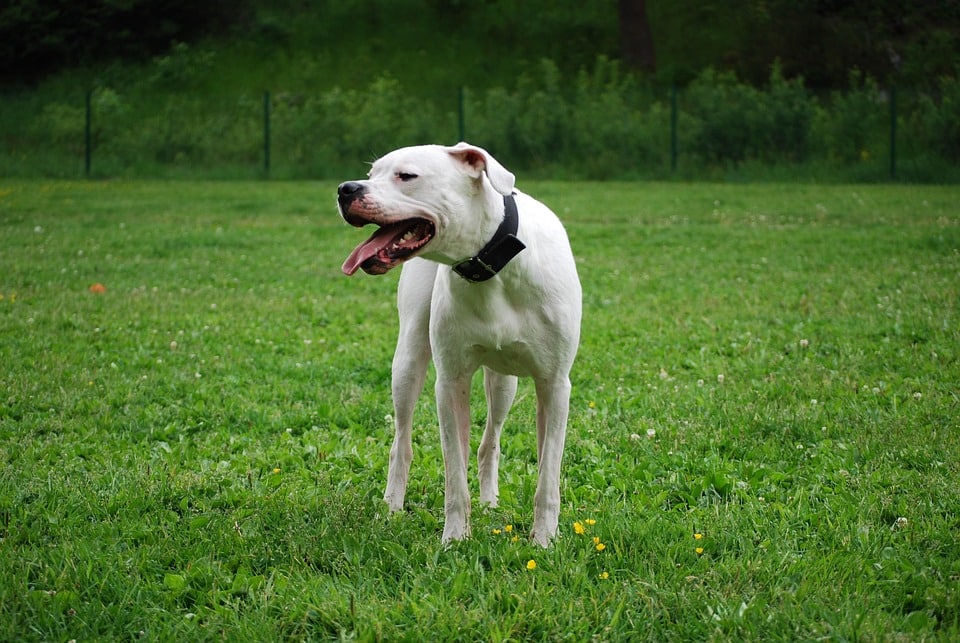
Unleashing the Dogo Argentino: Traits, Care Tips & More!
In the colorful world of dog breeds, few stand out quite like the Dogo Argentino. Originally hailing from Argentina, this powerful and loyal breed was developed for big-game hunting. With a distinctive muscular build and a gentle demeanor, the Dogo Argentino has earned both admiration and love from pet owners and animal enthusiasts worldwide.
A Peek into the History of the Dogo Argentino
The Dogo Argentino was created in the 1920s by Antonio Nores Martínez, who aimed to breed a versatile hunting companion. By crossing the now-extinct Cordoba Fighting Dog with various breeds such as the Bull Terrier and the Mastiff, Martínez produced a dog that was skilled in hunting large game, including wild boar and puma. Today, the Dogo Argentino is not only recognized for its hunting prowess but also for its role as a loyal family companion.
Temperament and Personality Traits
Despite its imposing appearance, the Dogo Argentino is known for its gentle temperament. These dogs are:
- Loyal: They form strong bonds with their families.
- Protective: Known as excellent guardians, the Dogo Argentino will look after their loved ones.
- Friendly: With proper socialization, they are typically good with children and other pets.
- Energetic: These dogs require a good amount of physical activity; they thrive in active households.
However, due to their strength and size, they are best suited for experienced dog owners who can provide the necessary training and socialization.
Grooming Needs
One of the merits of owning a Dogo Argentino is their low grooming needs. Their short, dense coat requires minimal maintenance. A weekly brushing will suffice to remove loose hairs. Bathing should generally be done only when necessary to maintain the natural oils in their skin.
Health Considerations
Like all breeds, Dogo Argentinos have specific health issues that prospective owners should be aware of:
- Hip Dysplasia: A genetic condition that affects the hip joint.
- Allergies: Some Dogo Argentinos may develop skin allergies or sensitivities.
- Deafness: A notable number of Dogo Argentinos are prone to congenital deafness.
Regular veterinary check-ups and a balanced diet are crucial to maintaining their health.
Suitability for Different Households
The Dogo Argentino is best suited for:
- Active Families: Due to their high energy levels, they require plenty of exercise.
- Experienced Dog Owners: Those who understand dog behavior will be better equipped to manage this breed’s strength and protectiveness.
- Types of Living Spaces: While they can adapt to apartments with enough exercise, a home with a yard is ideal.
Training and Socialization Tips
Training should begin at an early age to ensure your Dogo Argentino grows into a well-mannered adult. Here are some essential tips for successful training and socialization:
- Start Early: Begin training and socialization when they are puppies.
- Positive Reinforcement: Use treats and praise to reinforce good behavior.
- Consistency is Key: Be consistent with commands and expectations.
- Socialization Opportunities: Regular exposure to different environments, people, and pets will help your dog become well-adjusted.
Caring for Your Dogo Argentino
Owning a Dogo Argentino requires commitment and care. Some key care tips include:
- Regular Exercise: Aim for at least one hour of vigorous activity each day—walks, runs, or fetch games are great options.
- Balanced Diet: Choose high-quality dog food suitable for their age, size, and activity level.
- Routine Vet Check-ups: Keep up with vaccinations, flea and tick prevention, and health screenings.
emotional support animals (ESAs)
An emotional support animal (ESA) is a pet that provides comfort and support to individuals dealing with emotional or psychological ailments. Unlike service animals, ESAs don’t need specific training but must offer unwavering companionship to help their owners cope with mental health issues.
Benefits of Designating Your Pet as an ESA
The benefits of having your pet recognized as an ESA can be significant. Here’s why it matters:
- Reduced Anxiety: Just petting your dog can lower cortisol (the stress hormone) levels.
- Increased Comfort: The presence of a beloved pet can create a sense of safety and reassurance.
- Emotional Connection: Pets offer unconditional love, which can be especially comforting in hard times.
Many people have attested to the benefits of their ESAs. For example, one woman with anxiety shared how her Dogo Argentino, named Max, became her lifeline. Max’s constant affection helped her navigate everyday challenges, reducing her anxiety significantly.
Key Information
- The Dogo Argentino is a loyal, protective breed originally bred for hunting.
- They require low grooming but need regular exercise.
- Best suited for active, experienced dog owners.
- Early training and socialization are crucial for proper behavior.
- Emotional Support Animals provide comfort and support to those with mental health challenges.
How Dogs and Cats Provide Emotional Support
Research shows that pets positively affect emotional health and mental resilience. Some psychological studies point to:
- Oxytocin Release: Interacting with pets can increase levels of oxytocin, the “bonding hormone,” promoting feelings of love and trust.
- Physical Touch: Simply petting a dog or cat can lower stress levels and improve mood.
- Routine and Responsibility: Caring for a pet can add structure to one’s day, providing a purpose that fosters emotional well-being.
FAQs about Emotional Support Animals
-
What qualifies a pet as an ESA?
- Any pet that provides emotional support can be an ESA, but you need a professional assessment to designate it officially.
-
Do ESAs have public access rights like service animals?
- ESAs do not have the same public access rights as service animals. They are only allowed in certain rental settings with proper documentation.
-
Can I train my pet to be an ESA?
- While there’s no specific training required for ESAs, foundational obedience training is beneficial.
-
What documentation do I need for my ESA?
- A letter from a licensed mental health professional stating that you require your animal for emotional support is typically needed.
-
Do I need to register my pet as an ESA?
- While registration isn’t necessary, obtaining an ESA letter is often required for housing or travel accommodations.
Conclusion
If you’re considering a Dogo Argentino or any pet as an Emotional Support Animal, it’s essential to understand their unique needs and how they can benefit your mental health. With the right care, training, and affection, these magnificent dogs can be treasured members of your family.
For those interested in certifying their pet as an ESA, visit Veripaw.org. Since 2012, Veripaw has helped pet owners connect with licensed mental health professionals, obtain necessary ESA documentation, and access quality pet accessories. Make the leap today and enhance the bond with your pet while improving your emotional well-being!


