
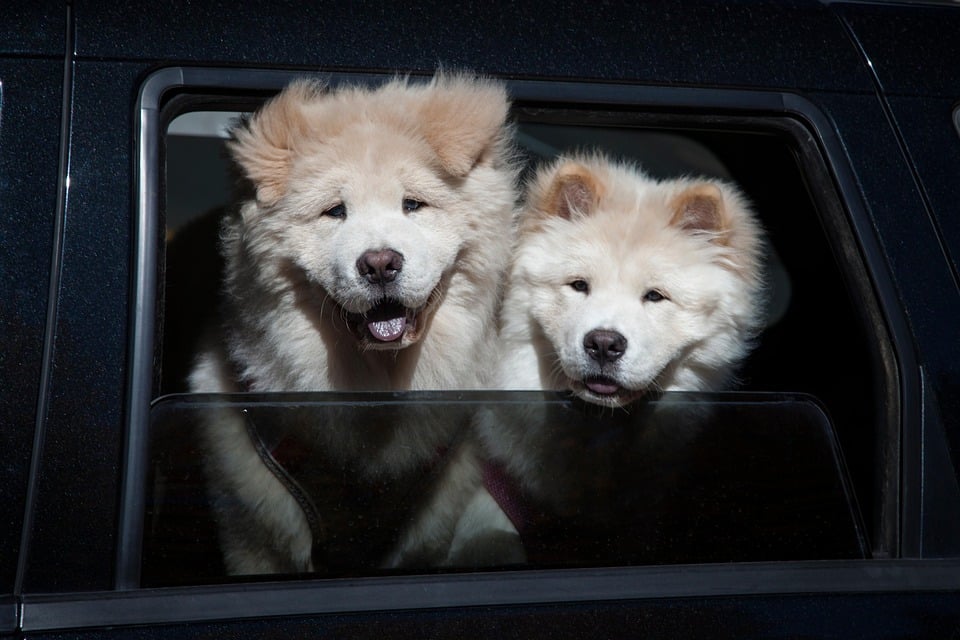
Chow Chows: The Loyal Guardians with Unique Personalities
When you think of loyal guardians with a dash of unique personality, the Chow Chow stands out. This ancient breed, known for its lion-like mane and distinctive blue-black tongue, has intrigued dog lovers for centuries. Their intriguing history, formidable appearance, and notable temperament make them a fascinating choice for many households.
Overview of Chow Chows
History
Originating in China over 2,000 years ago, Chow Chows were originally bred for a variety of purposes, including hunting, guarding, and pulling carts. Their thick fur and muscular build made them well-suited for the colder climates of the northern regions. The breed eventually made its way to Europe in the 19th century, captivating dog enthusiasts with their regal appearance and stoic demeanor.
Temperament & Personality Traits
Chow Chows are known for being strong-willed, independent, and sometimes aloof. These dogs often form strong bonds with their families and can be somewhat reserved with strangers. While they may not be the most overtly affectionate breed, their loyalty is unquestionable. They are protective of their homes and families, making them excellent watchdogs.
Despite their serious exterior, Chow Chows have a playful side. Proper socialization during their early years is crucial, as they can be wary of unfamiliar people and situations. A well-socialized Chow can be a loving companion that enjoys both adventures and quiet moments at home.
Grooming Needs
Chow Chows have a thick double coat that requires regular grooming. Brush their fur at least once a week to prevent mats and tangles, although more frequent grooming is advisable during shedding seasons. Regularly checking their ears and teeth is also essential for good health. Chow Chows do shed, so expect some fur around the house, especially during shedding seasons.
Health Considerations
While Chow Chows are generally sturdy dogs, they can be prone to certain health issues:
- Hip Dysplasia: An inherited condition that can lead to arthritis.
- Skin Issues: Their thick coat can trap moisture, leading to skin infections if not cared for properly.
- Brachycephalic airway syndrome: Some Chow Chows have a short muzzle, which can lead to breathing problems.
Routine veterinary check-ups can help catch potential health issues early.
Suitability for Different Types of Households
Chow Chows generally adapt well to a variety of living situations, but they do best in homes with experienced dog owners who understand their unique needs. Their independent nature makes them suitable for individuals who appreciate a more reserved pet. However, they may not be ideal for first-time dog owners or families with small children, as their temperament can vary based on socialization and training.
Tips for Training and Socializing Chow Chows
- Start Early: Socialize your Chow Chow from a young age by exposing them to different people, pets, and environments.
- Positive Reinforcement: Use treats and praise to encourage good behavior. This breed typically responds best to positive reinforcement rather than harsh discipline.
- Short Sessions: Keep training sessions short but frequent to maintain their interest and focus.
- Consistency is Key: Be consistent in commands and routines to help your Chow Chow understand what is expected of them.
emotional support animals (ESA)
An emotional support animal (ESA) is a pet that provides comfort and support to individuals with emotional or psychological conditions. Unlike service dogs trained for specific tasks, ESAs primarily offer companionship. Individuals who designate their pets as ESAs often experience reduced anxiety and an overall improvement in emotional well-being.
Mental and Emotional Health Benefits
The companionship provided by pets can bring numerous mental health benefits. Here are a few ways they help:
- Comfort and Stability: Dogs and cats often sense when their owners are upset and will offer affection and companionship during these tough times.
- Anxiety Reduction: The simple act of petting a dog or cat has been shown to lower levels of cortisol, a hormone associated with stress.
- Increased Feelings of Safety: Having a Chow Chow can provide a sense of security, especially for those living alone or dealing with anxiety.
Real-life examples illustrate these points. Consider Sarah, who struggles with anxiety. Her Chow Chow, Buster, always manages to curl up next to her when she is feeling down. Just having him nearby helps her relax and feel less alone.
Key Information
- History: Originated in China, used for guarding, hunting, and pulling.
- Temperament: Loyal, independent, protective, and occasionally aloof.
- Grooming Needs: Requires regular brushing and routine health checks.
- Health Considerations: Prone to hip dysplasia, skin infections, and breathing issues.
- Suitability: Best for experienced dog owners; less ideal for families with young children.
How Dogs and Cats Provide Emotional Support
Scientific studies suggest that pets can enhance emotional health. When petting animals, the body releases oxytocin, a hormone that promotes bonding and feelings of love. Additionally, the presence of a pet can help reduce levels of cortisol and boost serotonin and dopamine, mood-enhancing chemicals. This biochemical reaction explains why many people feel happier and more relaxed when they’re with their furry friends.
Moreover, the routine that pets establish encourages their owners to maintain a structured day, helping individuals cope with disorders such as depression or anxiety. The responsibility of caring for a pet can also provide a sense of purpose and motivation for daily activities.
FAQs About Emotional Support Animals
-
What is an Emotional Support Animal?
- An ESA provides comfort and support to individuals with emotional or psychological disabilities but is not trained for specific tasks.
-
How can I get my pet certified as an ESA?
- Certification typically involves obtaining documentation from a licensed mental health professional.
-
Are ESAs allowed in public places?
- ESAs are not granted the same public access rights as service dogs but can live in “no pets” housing with proper documentation.
-
Can any pet be an ESA?
- Yes, any domesticated animal can be an ESA, but dogs and cats are the most common.
-
What are the benefits of having an ESA?
- ESAs can provide comfort, reduce anxiety, and enhance emotional well-being.
-
Is there a fee for ESA certification?
- Costs can vary depending on the services provided.
-
Do I need to register my ESA?
- While registration is not legally required, having documentation from a mental health professional is necessary for certain legal protections.
-
Can my ESA accompany me on flights?
- This depends on the individual airline’s policies regarding ESAs.
-
Do ESAs require special training?
- Unlike service dogs, ESAs do not require specialized training but should be well-behaved.
-
What’s the difference between an ESA and a service animal?
- Service animals are trained to perform specific tasks for individuals with disabilities, while ESAs provide emotional support.
Conclusion
If you’re considering a loyal guardian that can also provide emotional support, a Chow Chow may be the perfect fit. Understanding their unique needs and characteristics can lead you to a rewarding relationship.
To further enhance your pet ownership experience, especially if you’re considering ESA registration, visit Veripaw.org. They have been connecting pet owners with licensed mental health professionals to obtain ESA documentation since 2012, ensuring that you have the support you need. Additionally, Veripaw offers high-quality pet accessories to enhance your experience with your four-legged friend. Don’t wait—get started on your journey to emotional well-being with your pet today!


