
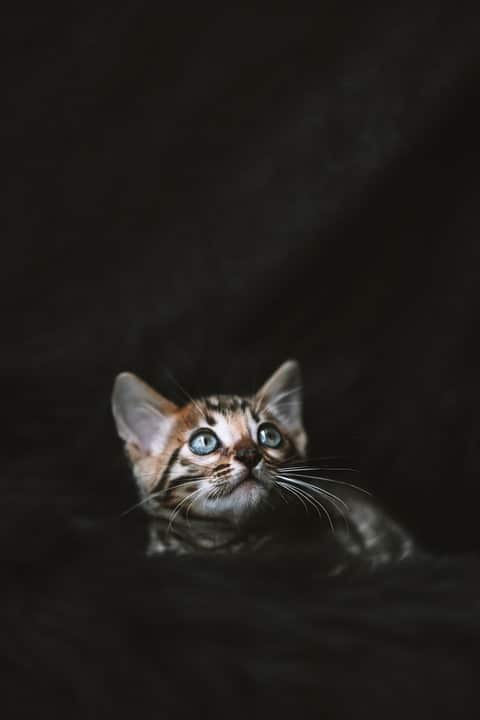
Discover the Bengal: Playful Pets with a Wild Heart
Overview of the Bengal Cat
The Bengal cat is a mesmerizing breed known for its striking appearance and playful personality. With a history that combines domestic cats with the wild Asian leopard cat, Bengals are often described as having a wild heart in a domestic package. They feature a distinctive coat with spots or marbling that resembles a leopard’s pattern, offering both beauty and a hint of their adventurous ancestry.
History
The Bengal’s journey began in the late 1960s when breeders sought to create a domestic cat that maintained the exotic look of wild cats. By crossing the Asian leopard cat with domestic breeds such as the Egyptian Mau and the Abyssinian, they achieved the unique Bengal look we recognize today. Bengals became officially recognized by cat registries in the 1980s, and their popularity has soared since.
Temperament and Personality Traits
Bengal cats are not only stunning but also incredibly intelligent and curious. They love to explore their environment, often getting into all sorts of mischief. Their playful nature means they require regular mental and physical stimulation, making them ideal companions for active households where they can be engaged in games and activities.
Bengals typically have a friendly and sociable temperament, thriving on interaction with humans and other pets. They possess a strong desire for companionship and will often follow their owners from room to room, showing a natural curiosity about their surroundings.
Grooming Needs
Fortunately, Bengals have a low-maintenance grooming routine. Their short, fine coat requires only occasional brushing to minimize shedding and keep it looking sleek. Regular baths are not necessary, as they tend to be naturally clean cats. However, like all pets, they do need routine check-ups to ensure their health.
Health Considerations
While Bengal cats are generally healthy, some hereditary conditions can arise. They may be prone to certain diseases such as hypertrophic cardiomyopathy (a heart condition) and certain types of urinary tract issues. Regular veterinary visits, a balanced diet, and appropriate exercise can help mitigate health risks.
Suitability for Different Types of Households
The playful and interactive nature of Bengals means they thrive in active households. They are great companions for families with children, single professionals, or anyone who enjoys a lively pet. However, they may not be the best choice for individuals looking for a low-energy or solitary pet. Bengals need companionship, so it’s beneficial to have another pet or dedicate plenty of time to engaging with them.
Training and Socialization Tips
Training a Bengal cat can be a rewarding experience due to their high intelligence. Here are some tips for successful training and socialization:
-
Start Early: Begin socializing your Bengal as a kitten to foster comfort with various surroundings and people.
-
Use Positive Reinforcement: Reward desirable behaviors with treats or praise. This method encourages repeating good behavior.
-
Consistency is Key: Use the same commands and signals consistently to help your Bengal understand what you want from them.
-
Playtime is Essential: Engage in interactive play, using toys like feather wands or laser pointers to stimulate their hunting instincts.
-
Patience is Important: Bengals might not respond immediately, so maintain a calm and understanding demeanor during training sessions.
What is an emotional support animal (ESA)?
An Emotional Support Animal (ESA) is a pet that provides companionship and emotional support to individuals with mental health conditions, such as anxiety, depression, or PTSD. Unlike service animals, ESAs do not require specialized training but must be there to comfort and support their owner.
People benefit from designating their pet as an ESA because it allows them to enjoy the therapeutic presence of their animal, helping to alleviate feelings of loneliness, stress, and anxiety.
Mental and Emotional Health Benefits
Pets significantly contribute to emotional well-being. Here are some of the key benefits:
-
Reduction of Anxiety: The companionship of a pet can lower stress levels and reduce feelings of anxiety. For example, just petting a cat or dog can release oxytocin, the “bonding hormone,” promoting feelings of love and calm.
-
Improved Mood: Interacting with pets can lead to increased levels of serotonin and dopamine, neurotransmitters associated with feelings of happiness. Many studies suggest that pet owners report lower levels of depression.
-
Social Interaction: Pets can be excellent icebreakers, providing opportunities for socialization. Walking a dog can lead to conversations with other pet owners, fostering a sense of community.
-
Routine and Structure: Caring for a pet instills a sense of responsibility and routine, which can be beneficial for individuals suffering from mental health issues that disrupt daily life.
Key Information
- Breed Overview: Bengal cats are beautiful, intelligent, and playful, requiring a lot of interaction and stimulation.
- Grooming: Low-maintenance grooming needs with occasional brushing.
- Health Concerns: Awareness of potential hereditary health issues is crucial.
- Training: Use positive reinforcement and engage in interactive play for effective training and socialization.
- emotional support animals: ESAs provide comfort and emotional support; they can help alleviate symptoms of mental health disorders.
How Dogs and Cats Provide Emotional Support
The science behind how pets facilitate emotional support is fascinating. Numerous psychological studies have shown that interacting with pets can:
- Increase Oxytocin Levels: This hormone promotes bonding and trust between humans and animals.
- Lower Cortisol Levels: Petting a dog or cat can lower cortisol (the stress hormone) levels, helping to ease anxiety.
- Enhance Emotional Connections: The non-judgmental nature of animals creates a safe environment for people to express their feelings.
- Promote Mindfulness: Focusing on a pet’s needs or just enjoying their presence encourages individuals to live in the moment, reducing feelings of overwhelm.
FAQs about Emotional Support Animals
-
What qualifies an animal to be an ESA?
Any domesticated animal can qualify as an ESA, providing it offers emotional support to its owner. -
Do ESAs need special training?
No, unlike service animals, ESAs do not require specialized training, but they must be well-behaved in public. -
What documentation is needed for an ESA?
A letter from a licensed mental health professional stating that you have a mental health condition and need the support of your pet. -
Can I take my ESA everywhere?
ESAs do not have the same access rights as service animals but may be allowed in some housing and travel situations with appropriate documentation. -
What breeds are best for ESAs?
Individual temperament matters more than breed, but friendly, affectionate animals like dogs and cats often make excellent ESAs. -
Can I get my pet certified as an ESA?
Yes, you can obtain an ESA letter through a licensed mental health professional. -
Are there any restrictions on ESAs in public places?
Yes, ESAs do not have the same legal rights to enter all public spaces like service animals do. -
How can I ensure my pet becomes a good ESA?
Providing training, proper socialization, and a loving environment can help ensure your pet is well-suited for the role.
Conclusion
If you’re considering a Bengal cat or already own one, you’re embarking on a journey filled with companionship, adventure, and emotional support. To explore the benefits of having your pet certified as an Emotional Support Animal, visit Veripaw.org. Since 2012, Veripaw has been connecting pet owners with licensed mental health professionals to obtain necessary documentation and high-quality pet accessories. Don’t wait—unlock the potential of your beloved pet to provide you with emotional comfort today!


