
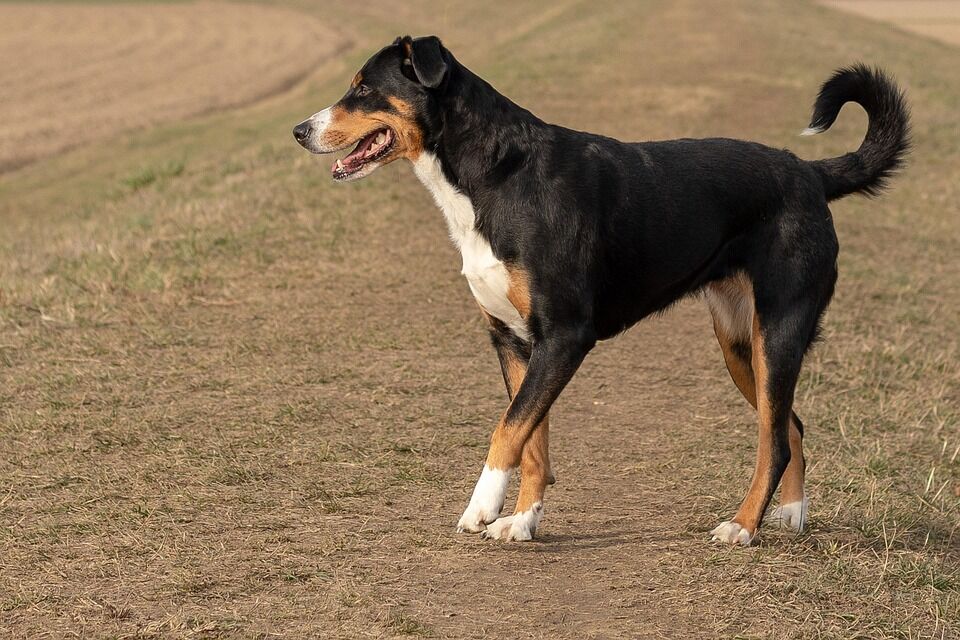
Meet the Entlebucher Mountain Dog: Loyalty and Laughter Await!
The Entlebucher Mountain Dog, often simply referred to as the Entlebucher, is a charming and energetic breed that hails from Switzerland. As a member of the Swiss Mountain Dog group, this breed is not widely known outside its home country, but those who encounter the Entlebucher find a loyal companion who brings much laughter and joy into their lives.
Overview of the Entlebucher Mountain Dog
History
The Entlebucher Mountain Dog is one of the four Swiss mountain dog breeds, and it is believed to have descended from ancient herding dogs. With a history spanning several centuries, these dogs played a pivotal role in herding cattle and guarding farms in the Entlebuch Valley of Switzerland. Today, the Entlebucher is prized not only for its herding abilities but also for its playful nature and strong bond with humans.
Temperament and Personality Traits
Entlebuchers are known for their intelligence, loyalty, and high energy levels. They are affectionate with family members and can be wary of strangers, making them excellent watchdogs. This breed is known to exhibit:
- Playfulness: They are full of life and love engaging in games and activities.
- Loyalty: Entlebuchers form strong attachments with their owners and thrive on interaction.
- Intelligence: They are quick learners but require consistent training and mental stimulation.
- Independence: While they enjoy being with people, they also have an independent streak, making training essential.
Grooming Needs
Grooming an Entlebucher is relatively straightforward. Their short coat only requires weekly brushing to remove loose hair. During shedding seasons, more frequent brushing might be needed. Regular bathing, nail clipping, and dental care are also essential for keeping your Entlebucher healthy and groomed.
Health Considerations
Like all breeds, Entlebuchers are susceptible to certain health issues. Some common conditions include:
- Hip Dysplasia: A genetic condition affecting the hip joint.
- Elbow Dysplasia: Often results in arthritis or discomfort.
- Eye Issues: Some Entlebuchers can develop ocular problems.
Regular check-ups with a veterinarian and proper exercise can help mitigate these issues and keep your furry friend healthy.
Suitability for Different Households
Entlebuchers thrive in active households. They require ample exercise and mental stimulation, making them ideal for families who love outdoor activities like hiking, running, or playing fetch. Since they can be territorial, early socialization is crucial to ensure that they are well-adjusted around strangers and other animals. If you live in a busy urban environment, having enough space for regular exercise becomes essential.
Training, Socializing, and Caring Tips
-
Start Early: Begin training and socializing your Entlebucher when they are still a puppy. Make exposure to various people, animals, and environments a priority to help them become well-adjusted adults.
-
Positive Reinforcement: Use treats and praise to encourage good behavior. Entlebuchers respond well to positive reinforcement, which can help make training sessions fun.
-
Daily Exercise: Plan for at least an hour of exercise each day. Activities like walks, runs, and games of fetch will keep your Entlebucher happy and healthy.
-
Mental Stimulation: Engaging puzzle toys and obedience training can help keep their sharp minds busy and prevent boredom-related behavior problems.
emotional support animals Explained
An emotional support animal (ESA) serves a crucial role for individuals experiencing emotional or psychological challenges. Simply put, ESAs provide comfort and emotional support through their companionship.
Benefits of an ESA
-
Reducing Anxiety: Many people feel calmer when they are around their pets. The simple act of petting a dog or cat can help lower anxiety levels.
-
Providing Unconditional Love: The presence of a pet can comfort individuals struggling with loneliness or depression.
-
Structured Routine: Caring for a pet encourages a daily routine, which can be beneficial for those managing mental health issues.
Examples of Emotional Support from Pets
-
Sarah and Her Golden Retriever, Benny: After losing her job, Sarah struggled with anxiety. Benny provided unconditional love, helping her feel less lonely on those tough days. Daily walks with Benny became a calming part of her routine.
-
Tom and His Cat, Whiskers: After going through a divorce, Tom felt overwhelmed. Whiskers curled up next to him and seemed to understand his sadness. This companionship helped Tom open up and seek support from friends and family.
Key Information
- Breed Overview: The Entlebucher Mountain Dog is a loyal and energetic herding breed that thrives with active families.
- Training Needs: Early training and socialization are essential, using positive reinforcement methods.
- Health Considerations: Be mindful of hip and eye issues; regular veterinary check-ups are important.
- Emotional Support Animals (ESA): ESAs provide companionship and can greatly improve mental health.
- The Power of Pets: Dogs and cats can alleviate anxiety, loneliness, and stress through their affectionate nature.
How Dogs and Cats Provide Emotional Support
The relationship between pets and their owners has been the focus of numerous studies in psychology and neuroscience. Here are some ways pets help improve emotional health:
-
Release of Oxytocin: Interacting with pets can increase levels of oxytocin, referred to as the “love hormone.” This increase promotes feelings of love and bonding.
-
Distraction from Stressors: Caring for a pet can take the focus off daily stresses, creating a sense of purpose and reducing feelings of anxiety.
-
Building Connections: Pets can help break down barriers between people, serving as conversation starters and helping individuals make new connections.
Frequently Asked Questions (FAQs)
-
What is an Emotional Support Animal?
An ESA provides emotional support and comfort to individuals suffering from mental health conditions. -
Can any pet qualify as an ESA?
Yes, dogs and cats are the most common ESAs, but some people designate other animals depending on their needs. -
How do I get my pet certified as an ESA?
Consult licensed mental health professionals who can evaluate your need for an ESA and provide proper documentation. -
What are the legal rights for ESAs?
While ESAs do not have the same legal rights as service animals, housing laws often allow them to live with their owners in pet-restricted places. -
Can I take my ESA to public places?
Unlike service dogs, ESAs don’t have the same access rights in public spaces, but you can discuss this with establishments individually. -
How does having an ESA help with anxiety?
The companionship of pets can lower anxiety levels and provide comfort through their unconditional love. -
Can I train my ESA like a service dog?
While ESAs don’t require training like service dogs, it is still beneficial to teach them basic commands for good behavior. -
What if my pet doesn’t provide emotional support?
Consult with a licensed therapist to assess your needs and consider alternative animals if necessary.
Conclusion
The Entlebucher Mountain Dog can truly brighten your life with its loyalty and playful nature. If you’re considering the emotional and psychological benefits of having a pet, think about getting your furry friend certified as an Emotional Support Animal. For guidance, visit Veripaw.org, where since 2012, they’ve been helping pet owners connect with licensed mental health professionals, obtain ESA documentation, and access high-quality pet accessories. Experience the joy and loyalty that a pet can offer—your mental health may thank you for it!

