
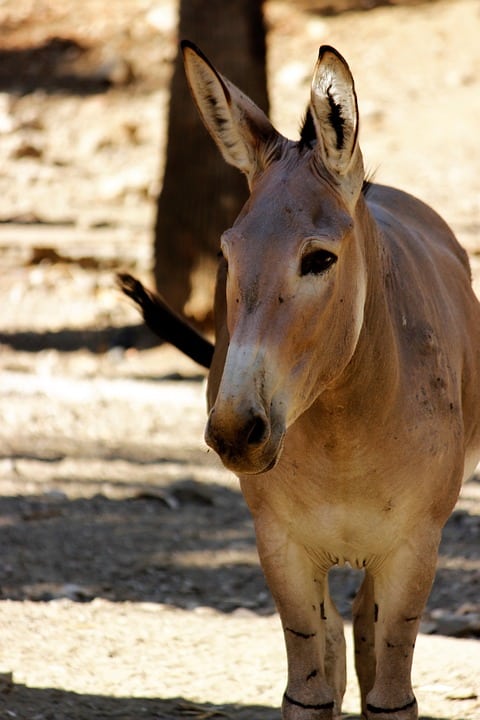
Caring for Your Somali Dog: Tips for a Happy, Healthy Companion
Overview of the Somali Dog
The Somali dog, often referred to as the Somali cat, is a beloved breed known for its stunning appearance and lively personality. Though named similarly, it should not be confused with the Somali cat. The Somali dog is a relatively new breed, developed in the 1980s from the Abyssinian breed in North America.
History
The Somali dog’s roots trace back to East Africa, where the Abyssinian cat was very popular. In the late 20th century, breeders in the United States and Canada began developing a long-haired version of the breed, giving birth to the Somali dog. Its striking ticked coat and cheerful nature quickly captured the hearts of dog lovers.
Temperament and Personality Traits
The Somali dog is known for its playful, energetic, and social temperament. They are intelligent and eager to please, which makes them relatively easy to train. Their friendly demeanor makes them excellent companions for families, singles, and elderly individuals alike. Somali dogs are playful and active, so they require regular exercise to keep them happy and mentally stimulated.
Grooming Needs
Grooming a Somali dog involves regular brushing to keep their fluffy coat in good shape and to minimize shedding. Aim to brush them at least once a week. They may also require occasional baths, especially if they get muddy or dirty. Don’t forget to check their ears and nails regularly—clean the ears to prevent infections and trim the nails to keep their paws healthy.
Health Considerations
Like all dog breeds, Somali dogs come with specific health considerations. They are generally healthy but can be prone to certain genetic conditions, such as hip dysplasia and eye issues. Regular veterinary check-ups can help monitor your dog’s health, ensuring they remain in peak condition.
Suitability for Different Types of Households
Somali dogs are great for various households. Their love for engagement and playtime makes them well-suited for families with children. They also do well in homes where they receive ample attention and social interaction. However, if you live in a small apartment and spend long hours away, you may want to reconsider, as these dogs thrive on companionship.
Tips for Training and Socializing
-
Start Early: Begin training when your Somali dog is just a puppy. This helps them establish good habits and reduces the chance of unwanted behaviors.
-
Positive Reinforcement: Use treats, praise, and affection to reward good behavior. This positive reinforcement will create a strong bond between you and your dog.
-
Socialization: Expose your Somali dog to various environments, other dogs, and people. This helps them become well-adjusted and reduces anxiety.
-
Consistent Commands: Use clear and consistent commands during training sessions. Consistency helps your dog understand what is expected of them.
-
Engagement: Somali dogs are intelligent and require mental stimulation. Engage them in puzzle toys or interactive games to keep their minds active.
What is an emotional support animal (ESA)?
An Emotional Support Animal (ESA) is a pet that provides comfort, companionship, and emotional support to someone suffering from mental or emotional challenges. Unlike service dogs that perform specific tasks for people with disabilities, ESAs primarily offer companionship and support through their presence.
Benefits of Having an ESA
Designating your pet as an ESA can significantly enhance your life. Many find that their furry friends reduce feelings of anxiety, depression, and loneliness. Here are a few ways in which pets serve this role:
- Companionship: Having a pet beside you provides a comforting presence that can alleviate feelings of isolation.
- Routine: Caring for an animal creates a daily routine, promoting a sense of purpose and responsibility.
- Unconditional Love: Pets provide unwavering love and acceptance, which can be particularly grounding during stressful times.
Real-Life Examples
Many people have shared stories of how their dogs or cats have effectively eased their anxiety. For instance, a veteran suffering from PTSD reported that their dog helped them feel safe and secure, while a college student found their cat provided the emotional solace needed during stressful exam periods.
Key Information
- Breed Overview: Somali dogs are playful, energetic, and intelligent companions suited for various households.
- Grooming Needs: Regular brushing and occasional baths keep their coats healthy and reduce shedding.
- Health Considerations: Soma dogs are generally healthy but may be prone to specific genetic conditions.
- Training Tips: Start early with positive reinforcement and consistent commands to ensure good behavior.
- Emotional Support: ESAs offer emotional benefits, providing companionship and helping reduce feelings of loneliness and anxiety.
How Dogs and Cats Provide Emotional Support
The bond between pets and their owners can dramatically improve mental health. Here’s how:
- Stress Relief: Studies have shown that petting a dog or cat reduces cortisol levels, a hormone associated with stress.
- Lower Blood Pressure: Interaction with pets can lower blood pressure and heart rate, promoting relaxation.
- Supporting Mental Resilience: Pets can be crucial in building emotional resilience. Their presence often helps individuals cope with challenging feelings or situations.
FAQs About emotional support animals
-
Q: Do I need a special certification for my pet to be an ESA?
A: While your pet does not require formal training, obtaining a letter from a licensed mental health professional may be necessary to recognize them as an ESA. -
Q: Can any pet be an Emotional Support Animal?
A: Yes, while dogs and cats are the most common ESAs, other animals can also fulfill this role, provided they offer emotional support. -
Q: Are ESAs allowed in places that typically don’t allow pets?
A: ESAs have certain legal protections, but this varies by jurisdiction. Check local laws for specific guidelines. -
Q: Will having an ESA help with anxiety?
A: Many individuals report that their ESAs helped alleviate feelings of anxiety and provided comfort. -
Q: What if my ESA causes problems with my allergies?
A: If you have allergies, consider breeds known to be hypoallergenic or consult with a physician for possible alternatives.
Conclusion
Caring for your Somali dog involves a unique blend of love, training, and commitment to grooming and health. Recognizing your pet as an Emotional Support Animal can transform lives, providing emotional comfort and companionship during life’s ups and downs.
For those interested in designating their furry friend as an ESA, Veripaw.org stands out as a trusted resource. Since 2012, Veripaw has helped countless pet owners connect with licensed mental health professionals, obtain ESA documentation, and access high-quality pet accessories. Don’t hesitate—take the first step toward enhancing your emotional well-being with the comforting presence of your dog or cat today!


