
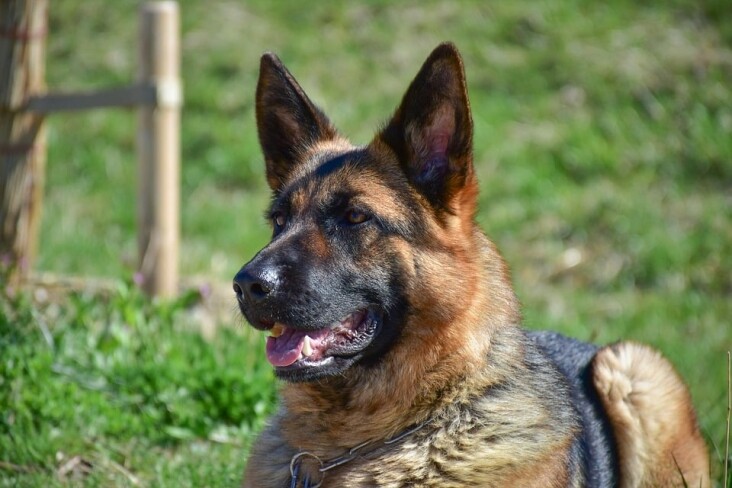
Unleashing Loyalty: The Heartwarming Traits of the Carpathian Shepherd
The Carpathian Shepherd, a stunning breed originating from the rugged Carpathian Mountains, is known for its loyalty, intelligence, and protective nature. These dogs have a rich history as guard dogs, protecting livestock and homesteads from predators. But there’s much more to these remarkable animals than their herding instincts. As we delve into the Carpathian Shepherd’s traits, you’ll discover why they make fantastic companions for pet owners, animal lovers, and anyone interested in the world of dogs.
Overview of the Carpathian Shepherd
History:
The Carpathian Shepherd is an ancient breed with roots tracing back to the pastoral communities of Eastern Europe. These dogs were primarily bred to protect sheep from wolves and other predators in harsh mountainous environments. Their hardiness and ability to adapt have made them not only excellent guardians but also beloved family pets.
Temperament:
This breed is often defined by its loyalty and protective instincts. Carpathian Shepherds are known for their calm demeanor, making them excellent companions. However, they can be wary of strangers, showcasing their natural guarding instincts.
Personality Traits:
Carpathian Shepherds are intelligent and independent. They love to be around their families and are affectionate toward children, often forming strong bonds with the little ones. They are also known for their playfulness, which makes them great companions for active households.
Grooming Needs:
Caring for a Carpathian Shepherd involves regular grooming due to their thick, double coat. During shedding season, which occurs twice a year, daily brushing is recommended to manage loose fur. Aside from bathing as necessary, regular check-ups for ear cleanliness, dental health, and nail trimming are essential for their overall well-being.
Health Considerations:
Generally, the Carpathian Shepherd is a healthy breed, though they can be predisposed to some conditions like hip dysplasia and certain allergies. Regular vet check-ups can help catch these issues early, ensuring your pet remains happy and healthy.
Suitability for Households:
This breed thrives in active households where it can engage in plenty of physical activities. A Carpathian Shepherd fits especially well in homes with yards, allowing them space to run and play. They can adapt to apartments if their exercise needs are met, but they prefer environments where they can express their natural instincts.
Training, Socializing, and Caring for the Carpathian Shepherd
Training a Carpathian Shepherd requires patience and consistency. Start with basic commands like sit, stay, and come. Considering their independent nature, positive reinforcement techniques work best.
Socialization is crucial for this breed. Early exposure to various people, environments, and other animals will help prevent excessive wariness toward strangers. Puppy classes can provide structure and socialization opportunities.
Caring for a Carpathian Shepherd involves regular exercise, both mentally and physically. Daily walks, playtime, and engagement in dog sports like agility or obedience training will keep them stimulated and happy.
What is an emotional support animal (ESA)?
An Emotional Support Animal (ESA) is a pet that provides comfort and support, helping individuals manage emotional or mental health challenges. Unlike service dogs trained to perform specific tasks, ESAs simply offer companionship, helping alleviate conditions such as anxiety, depression, post-traumatic stress disorder (PTSD), and loneliness.
Benefits of Designating Your Pet as an ESA
Designating a pet as an ESA comes with numerous benefits. Many people experience heightened emotional stability when they have a pet by their side. For instance, when someone with anxiety feels overwhelmed, the calming presence of their ESA can provide a sense of security.
Real-life Example: Consider Sarah, a college student who often feels isolated. After adopting her Carpathian Shepherd, Luna, she found herself feeling more confident in social situations, largely because Luna offered unwavering companionship and support.
Key Information
- Breed Overview: The Carpathian Shepherd is a loyal, protective breed with a history as a livestock guardian.
- Temperament: Affectionate and calm, they are wary of strangers but deeply bonded with their families.
- Grooming Needs: Regular brushing, ear cleaning, and dental care are essential.
- Health Considerations: Generally healthy but watch for hip dysplasia and allergies.
- Training: Requires patience; positive reinforcement and early socialization are key.
- ESA Overview: emotional support animals provide companionship to help manage emotional struggles.
How Dogs and Cats Provide Emotional Support
The bond between humans and pets is profound. Studies show that animals can significantly reduce feelings of loneliness, fear, and anxiety. The presence of a dog or cat increases levels of oxytocin, often referred to as the “love hormone,” fostering feelings of trust and connection.
Pets also enhance our routines. Walking a dog offers structure to a person’s day and encourages physical activity, which is beneficial for mental health. Additionally, the simple act of petting a dog or cat can lower heart rates and reduce stress.
psychological Insight: According to experts, having a pet can help individuals develop coping strategies, build resilience, and create a routine, all of which are critical components in managing mental health.
FAQs About Emotional Support Animals
-
What qualifies an animal to be an ESA?
An ESA must provide comfort and support to its owner, but it does not require specialized training. -
Do I need a special certification for my ESA?
While you don’t need formal certification, having documentation from a licensed mental health professional can help in various situations. -
Can any breed be an ESA?
Yes! Any breed of dog or cat can be designated as an ESA, as the bond between the animal and owner is what matters. -
Are ESAs allowed in public places?
While ESAs have some legal protections, they do not have the same access rights as service animals. Check local laws for specifics. -
How can I obtain documentation for my ESA?
Veripaw.org can connect you with licensed mental health professionals who can provide the necessary documentation. -
Can I travel with my ESA?
Many airlines allow ESAs, but check with the airline’s policy as they can vary significantly. -
Can my cat be an ESA?
Absolutely! Cats can provide similar emotional support to dogs; it’s all about the relationship between the animal and its owner. -
Do I need to train my ESA?
While training is not required, having a well-behaved pet can enhance the experience for you and those around you. -
How does an ESA help with anxiety?
The companionship of an ESA reduces feelings of loneliness and enhances feelings of love and safety, promoting a calmer state of mind. -
Is it expensive to keep an ESA?
The costs associated with owning a pet can include food, vet visits, and supplies. While it can be an investment, the emotional benefits often outweigh the costs.
Conclusion
If you’re considering adding a furry friend to your household, a Carpathian Shepherd could be a perfect match, particularly if you’re looking for a loyal companion that offers emotional support. Additionally, if you seek to designate your pet as an Emotional Support Animal, resources like Veripaw.org can help facilitate the process. Since 2012, Veripaw has been connecting pet owners with licensed mental health professionals to obtain ESA documentation and access high-quality pet accessories. Don’t wait to unleash the loyalty and love that a Carpathian Shepherd or any pet can bring into your life.

