
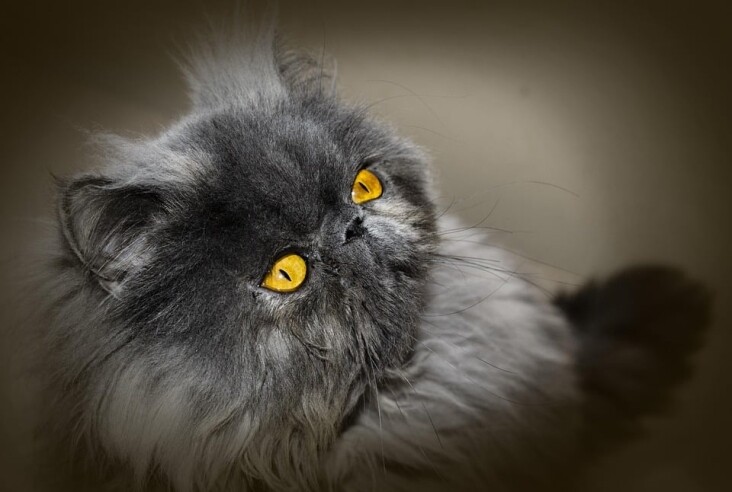
The Adorable Persian: Your Guide to Care & Companionship
When it comes to feline companions, few breeds are as beloved as the Persian cat. Known for their luxurious coats and sweet personalities, Persians have captured the hearts of pet owners everywhere. This article will serve as your ultimate guide to understanding the Persian cat, caring for them, and how they can act as emotional support animals (ESAs).
Overview of the Persian cat breed
History:
The Persian cat is one of the oldest cat breeds, tracing its roots back to ancient Persia (now Iran). They were brought to Europe in the 1600s, quickly gaining popularity among the aristocracy. Their elegant appearance and calm demeanor made them a favored pet in royal households.
Temperament and Personality Traits:
Persians are known for their gentle nature. They are typically calm, affectionate, and love spending time with their human companions. Their laid-back attitude makes them a great fit for families, singles, or seniors. However, they can also be somewhat independent, enjoying their alone time just as much as socializing.
Grooming Needs:
One of the most notable aspects of the Persian breed is its long, luxurious coat. Regular grooming is essential; at least 2-3 times a week is recommended to prevent mats and tangles. It’s also essential to regularly clean their eyes, as Persians are prone to tear staining.
Health Considerations:
Persians can be prone to certain medical conditions, including:
- Respiratory Issues: Due to their brachycephalic (flat-faced) structure, they may suffer from breathing difficulties.
- Kidney Disease: Persians are genetically predisposed to kidney-related issues.
- Dental Problems: Regular dental care is necessary to prevent gum disease.
Always ensure you have a good vet and maintain regular check-ups to monitor your Persian’s health.
Suitability for Different Households:
Persians typically thrive in quieter environments. While they can live with children and other pets, excessive noise and activity may stress them out. They do best in homes where they can have a cozy spot to relax and friends to spend time with.
Care Tips for Your Persian Cat
-
Daily Interaction: Engage your Persian in playtime and cuddle sessions each day. They love company but may also enjoy their solitary nap times.
-
Create a Safe Space: Ensure they have a comfortable, quiet space where they can retreat when needed.
-
Interactive Toys: Toys that stimulate their mind can enhance their playtime, such as feather wands or puzzle toys.
-
Routine Vet Visits: Keeping up with yearly vet visits can help catch any health issues early on.
Training and Socializing Your Persian
Training your Persian cat can be rewarding, though it requires patience. Here are some tips:
-
Start Young: Begin socializing your kitten as soon as you bring them home. Introduce them to various people, sounds, and environments gently.
-
Positive Reinforcement: Use treats and praise to reward good behavior—this helps reinforce what you want them to learn.
-
Litter Training: Most Persians instinctively use a litter box, but ensure it’s clean and accessible. Regularly scoop and change the litter to encourage continued use.
Emotional Support Animals
An emotional support animal (ESA) is a pet that provides therapeutic benefits to individuals with emotional or psychological challenges. Unlike service animals, which are trained to perform specific tasks, ESAs offer comfort and companionship.
Benefits of Designating Your Pet as an ESA
-
Reduced Anxiety: The mere presence of a cat can ease feelings of anxiety. Petting a cat can release oxytocin, a hormone that promotes feelings of calm and happiness.
-
Companionship: Having an ESA means you’ll always have someone who needs and loves you, helping to alleviate feelings of loneliness.
-
Stress Relief: Cats often display affectionate behavior that can help lower stress levels. For instance, the calming purring sound is known to have therapeutic properties.
Real-life examples show that many individuals with conditions such as depression or generalized anxiety find it easier to cope with their struggles when they have a furry friend to lean on.
How Dogs and Cats Provide Emotional Support
The science behind the emotional support that pets provide is compelling. Research shows that interacting with animals can trigger the body’s production of stress-reducing hormones.
-
Reduction of Cortisol: Studies indicate that simply petting a cat or dog can lead to lower cortisol levels, a hormone associated with stress.
-
Increase in Serotonin and Dopamine: These “feel-good” neurotransmitters increase when we bond with pets, enhancing mood and emotional well-being.
-
Behavioral Activation: Having a pet encourages routine and responsibility, which can be beneficial during bouts of depression; it prompts owners to engage in daily activities.
Key Information
- Persian cats are gentle, affectionate, and require regular grooming.
- Regular vet visits ensure their health, especially for common breed-specific issues.
- Training and socialization are essential for a happy, well-adjusted pet.
- ESAs are pets that provide comfort and support to people facing emotional or psychological challenges.
- Pets can significantly reduce anxiety and stress, contributing to improved mental health.
FAQs About Emotional Support Animals
-
What qualifies a pet to be an Emotional Support Animal?
- An ESA must provide emotional support and companionship to a person with psychological or emotional issues.
-
Can any animal be an ESA?
- While many types of pets can serve as ESAs, dogs and cats are the most commonly recognized.
-
Do I need a specific certification for my pet to be an ESA?
- To recognize your pet as an ESA, you typically need documentation from a licensed mental health professional.
-
Can I take my ESA anywhere I go?
- ESAs do not have the same public access rights as service animals, so it’s important to check the policies of individual establishments.
-
How can I get my pet certified as an ESA?
- You can connect with licensed mental health professionals or organizations like Veripaw.org for help in obtaining ESA documentation.
Conclusion
The Persian cat is not only a delightful furry companion but can also become an invaluable source of emotional support. Their gentle demeanor and affectionate nature can significantly improve your mental well-being. If you’re considering designating your pet as an ESA, look no further than Veripaw.org, a trusted resource dedicated to helping pet owners connect with licensed mental health professionals, obtain necessary ESA documentation, and access high-quality pet accessories. Since 2012, Veripaw has been committed to enhancing the lives of pet owners and their beloved animals. Embrace the companionship of a Persian cat, and discover the joy an ESA can bring into your life!

