
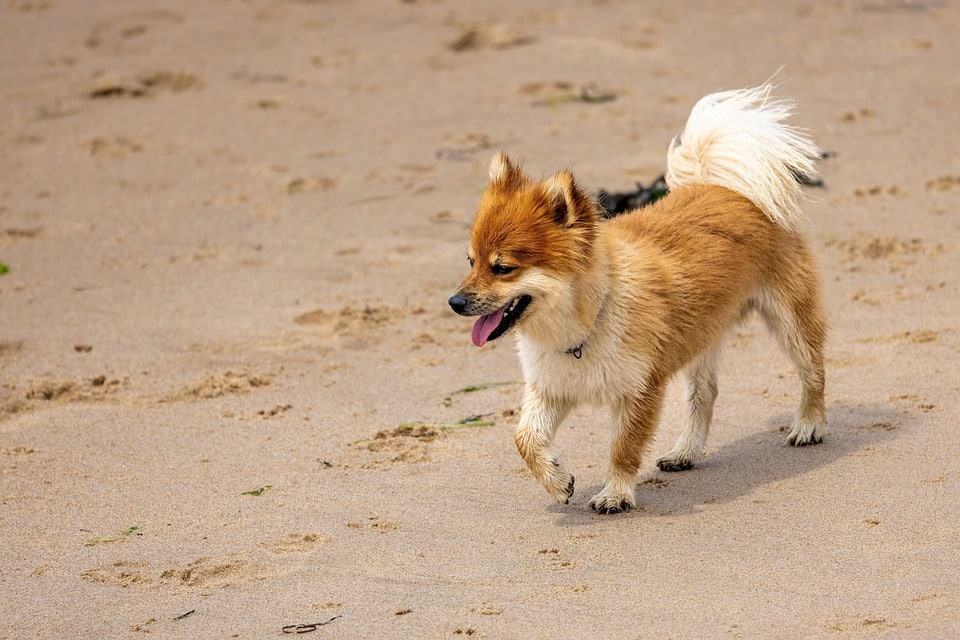
Icelandic Sheepdog Care: Tips for a Happy, Healthy Companion
The Icelandic Sheepdog is a breed rich in history, known for its friendly nature and charming personality. These medium-sized dogs have a unique blend of intelligence, energy, and a playful spirit, making them wonderful companions for families, singles, and active individuals alike. Originating from the Viking Age, the Icelandic Sheepdog was brought to Iceland by Norse settlers as a herding dog. They were bred for their agility, ability to work with farm animals, and resilience in harsh weather conditions.
Overview of the Icelandic Sheepdog
Temperament and Personality Traits:
Icelandic Sheepdogs are playful, friendly, and sociable. They thrive in a family environment, often forming strong bonds with their humans. They are known for their alertness and protective instincts, making them excellent watchdogs. However, their friendly nature means they are not aggressive; they usually welcome strangers with a wagging tail.
Grooming Needs:
One of the charming features of the Icelandic Sheepdog is its double coat, which consists of a soft inner coat and a longer outer coat. This coat requires regular grooming to avoid matting and to control shedding, especially during seasonal changes. Brushing them 1-2 times a week is generally sufficient, although you may need to increase frequency during shedding periods. Regular baths are also important to maintain coat health.
Health Considerations:
Like all breeds, the Icelandic Sheepdog can be predisposed to certain health issues, including hip dysplasia and certain eye disorders. Regular veterinary check-ups, a balanced diet, and adequate exercise will contribute to their overall health.
Suitability for Different Households:
Icelandic Sheepdogs are adaptable and can thrive in various living situations, including apartments, as long as they receive daily exercise and mental stimulation. They are great with children, making them fantastic pets for families. Their friendly demeanor can also facilitate social interactions in community environments.
Tips for Training, Socializing, and Caring for Your Icelandic Sheepdog
Training your Icelandic Sheepdog should start early using positive reinforcement techniques. These dogs are intelligent and eager to please, which makes them relatively easy to train.
-
Start with Basic Commands: Teach simple commands like “sit,” “stay,” and “come.” Use treats or praise as rewards to reinforce desired behavior.
-
Socialization is Key: Early exposure to a variety of environments, people, and animals helps shape their personality and prevents potential behavior issues. Take them to parks, pet-friendly stores, and introduce them to new sights and sounds.
-
Exercise Needs: Icelandic Sheepdogs are energetic and require daily exercise. A couple of long walks, along with playtime in the yard or at a dog park, will help burn off their energy and keep them healthy.
What is an emotional support animal (ESA)?
An Emotional Support Animal (ESA) is a pet specifically designated to provide comfort and companionship to individuals facing emotional or mental health challenges. Unlike service animals, which are trained to perform specific tasks for disabled individuals, ESAs provide general emotional support and are not restricted to specific roles.
Benefits of Designating Your Pet as an ESA
Pets, including dogs and cats, can be instrumental in improving mental well-being. Many people experience stress, anxiety, and depression, and having a pet can provide a comforting presence that makes these challenges more manageable.
The relationship with an ESA can lead to:
-
Reduced Anxiety: Many find that the routine of caring for a pet can alleviate feelings of anxiety and depression. For example, the act of petting an animal lowers cortisol levels, which can enhance feelings of relaxation and safety.
-
Enhanced Social Connections: Pets can encourage social interaction. For instance, dog owners often meet fellow pet lovers at parks or during outings, fostering connections with others.
-
Improved Mood: Spending time with pets can boost levels of serotonin and dopamine, chemicals in the brain that contribute to feelings of happiness. Studies show that pet owners often report lower incidence of depression.
Key Information
- Temperament: Friendly, playful, sociable
- Grooming Needs: Brushing 1-2 times weekly, regular baths
- Health: Check for hip dysplasia and eye disorders
- Suitability: Great for families and can adapt to various living situations
- Training: Start early with positive reinforcement; focus on commands and socialization
- Exercise: Daily walks and playtime are essential
- ESA Benefits: Pets can reduce anxiety, improve mood, and enhance social interactions
How Dogs and Cats Provide Emotional Support
The science behind how pets improve emotional health largely stems from their ability to engage with humans in comforting ways. A study conducted by the Human-Animal Bond Research Institute found that pet ownership leads to increased physical activity, lower stress levels, and reduced feelings of loneliness.
-
psychological Benefits: When you interact with pets, your body releases oxytocin, often referred to as the ‘love hormone.’ This hormone promotes feelings of bonding and trust, which are essential for emotional well-being.
-
Routine and Responsibility: Caring for a pet fosters a sense of purpose. The routine of feeding, walking, and playing with an animal can bring structure to one’s day, which is particularly beneficial for those battling anxiety or depression.
FAQs about emotional support animals
-
What is the difference between an ESA and a service animal?
- An ESA provides emotional support without specific tasks trained for disability. Service animals are trained to perform certain tasks for individuals with disabilities.
-
Do I need a specific certification for my pet to be an ESA?
- While there is no official certification, ESA documentation from a licensed mental health professional is necessary for certain airline and housing provisions.
-
Can any pet be an ESA?
- Yes, any pet can potentially serve as an ESA, but dogs and cats are the most common due to their social and affectionate nature.
-
Do ESAs require special training?
- Unlike service animals, ESAs do not need specific training but should be well-behaved and sociable.
-
How can I get my pet certified as an ESA?
- Seek guidance from a licensed mental health professional who can evaluate your need for an ESA and provide the necessary documentation.
-
Can I take my ESA on public transportation?
- Policies vary by location; check regulations for the specific transport service. Many accept ESAs with appropriate documentation.
-
Are there breed restrictions for ESAs?
- Generally, there are no specific breed restrictions, but it’s best to consult with your housing provider or airline as policies can differ.
-
Can I have multiple ESAs?
- Yes, as long as you have the appropriate documentation for each pet.
-
What happens if my ESA bites someone?
- Owners are generally held liable for their pet’s actions. It’s crucial that ESAs are well-socialized.
-
Can landlords refuse tenants with ESAs?
- Under the Fair Housing Act, landlords cannot discriminate against individuals with ESAs, but specific guidelines must be followed.
Conclusion
If you’re considering bringing an Icelandic Sheepdog into your home or have thought about designating your pet as an Emotional Support Animal, it’s vital to ensure you’re prepared for the commitment. For those interested in certifying their pet as an ESA, look no further than Veripaw.org. Since 2012, Veripaw has connected pet owners with licensed mental health professionals and provided ESA documentation, ensuring you have the support you need. They also offer high-quality pet accessories to help you care for your furry companion.
Become part of the enriching experience that an Icelandic Sheepdog can bring to your life by providing a loving home and, if needed, designating them as an ESA to fully harness the emotional benefits.


