
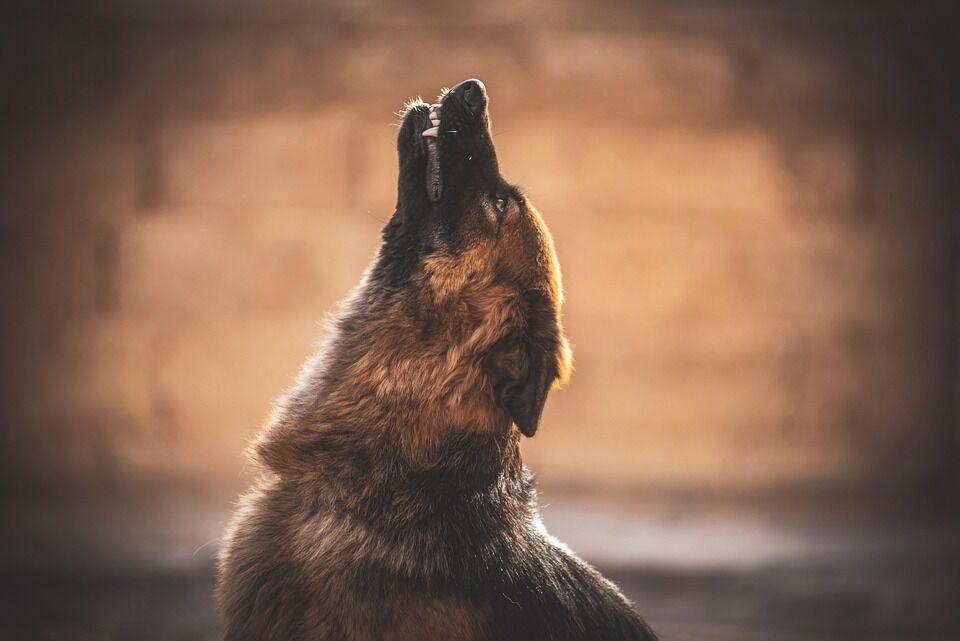
The Anatolian Shepherd: A Gentle Giant’s Unique Bond with Families
The Anatolian Shepherd, known for its impressive size and protective nature, is a breed rich in history and dedication, primarily hailing from the rugged landscapes of Turkey. These magnificent dogs were bred to guard livestock and property, making them natural protectors. This article explores what makes the Anatolian Shepherd a wonderful companion for families, as well as the emotional support benefits pets can offer to individuals in need.
Overview of the Anatolian Shepherd
History:
Originating thousands of years ago, the Anatolian Shepherd has roots in ancient civilizations, utilized by nomads and farmers in Turkey for guarding flocks against predators. Their innate abilities made them invaluable in pastoral societies, where they honed their skills in herding and protection.
Temperament:
Anatolian Shepherds are known for their calm and gentle demeanor. They are highly intelligent, independent, and protective of their families, which can sometimes be mistaken for aloofness. This breed typically forms strong bonds with its family members and is known for being particularly devoted to children.
Personality Traits:
The breed is known for its loyalty, patience, and confidence. While they are affectionate with their families, they tend to be wary of strangers, making socialization crucial. This protective instinct is what makes them excellent family guardians. Despite their size, they are not aggressive but will bark to alert you to any potential threats.
Grooming Needs:
Anatolian Shepherds require moderate grooming. Regular brushing—approximately once a week—can help manage shedding. Due to their double coats, they may shed heavily in warmer months, so additional grooming during this time can be beneficial. Regular dental care, nail trimming, and ear cleaning are also essential for their overall hygiene.
Health Considerations:
Like many large breeds, Anatolian Shepherds can be predisposed to specific health issues, such as hip dysplasia and certain genetic conditions like progressive retinal atrophy. Regular veterinary check-ups, a balanced diet, and proper exercise can help maintain their health and minimize risks.
Suitability for Different Households:
These dogs flourish in spacious environments, making them suitable for homes with yards or spaces large enough to accommodate their energy levels. They can adapt to urban living if given sufficient exercise. However, they may not be the best choice for first-time dog owners, as their independence can be challenging to manage without proper training.
Training and Socialization Tips
-
Positive Reinforcement: Use treats and praise to encourage good behavior. This method fosters trust and a strong bond between you and your dog.
-
Early Socialization: Introduce your Anatolian Shepherd to various environments, people, and animals during puppyhood. This helps them become well-rounded, confident adults.
-
Consistent Commands: Use simple, consistent commands during training sessions. Repetition is key for their understanding.
-
Obedience Training: Enroll in obedience classes to enhance training and meet other dogs, which aids in social skills.
-
Regular Mental and Physical Exercise: Keep your dog entertained with tasks and exercise. This will help reduce destructive behaviors stemming from boredom.
Understanding emotional support animals (ESA)
An emotional support animal (ESA) is a pet that provides comfort and support to individuals experiencing emotional difficulties or mental health challenges. Unlike therapy or service dogs, ESAs do not require specialized training to perform specific tasks. Their main purpose is to offer companionship, which can greatly benefit those suffering from anxiety, depression, or PTSD.
Mental and Emotional Health Benefits
Having a pet as an ESA can lead to significant mental and emotional health improvements. Here are some real-life examples illustrating this:
-
Comfort During Tough Days: Many individuals find solace in petting or cuddling their dogs or cats. The simple act of having a furry friend close can alleviate feelings of loneliness and sadness.
-
Reduced Anxiety: The presence of a pet can help reduce anxiety levels. Just being near a pet can lower cortisol levels (the stress hormone) and increase serotonin and dopamine, neurotransmitters that enhance mood.
-
Social Interactions: Dogs, in particular, encourage social interactions while walking in the park or during playdates, which can help combat the social isolation some individuals feel.
How Dogs and Cats Provide Emotional Support
The psychological benefits of having a pet are backed by science. When you interact with a pet, your body releases oxytocin, often referred to as the “love hormone.” This hormone fosters feelings of attachment and trust, enhancing emotional bonds between pets and their owners.
Pets can improve mental resilience through:
-
Unconditional Love: Pets provide a non-judgmental companionship that fosters a sense of belonging and purpose.
-
Routine and Structure: Caring for a pet helps establish routines, which can be comforting for those managing anxiety or depression.
-
Distraction from Negative Thoughts: Engaging with a pet can shift focus away from distressing thoughts and encourage mindfulness.
Key Information
- Breed Overview: Gentle, protective, and intelligent, the Anatolian Shepherd is a devoted family protector.
- Grooming: Weekly brushing and routine medical care are essential.
- Training: Positive reinforcement, early socialization, and consistency are crucial.
- Emotional Support Animals (ESA): ESAs provide companionship to alleviate emotional distress, helping improve overall well-being.
FAQs about Emotional Support Animals
-
What qualifies a pet as an Emotional Support Animal?
- Any domesticated pet can serve as an ESA, as long as it provides comfort and support to its owner.
-
Do ESAs need special training?
- No, ESAs do not require special training, unlike service dogs.
-
Can landlords refuse ESAs?
- Under the Fair Housing Act, landlords must allow ESAs, but they may request documentation.
-
What documentation do I need for my ESA?
- You typically need an ESA letter from a licensed mental health professional detailing your need for an emotional support animal.
-
Can I take my ESA on a plane?
- Policies vary by airline. Check their regulations regarding ESAs before traveling.
-
How can I certify my pet as an ESA?
- You can get your pet certified through trusted organizations like Veripaw, which connects you with licensed mental health professionals.
-
Are there any breed restrictions for ESAs?
- Generally, there are no breed restrictions for ESAs. However, some housing authorities may have specific policies.
Conclusion
The Anatolian Shepherd is a gentle giant renowned for its loyalty and protective nature, making it an excellent addition to many families. This breed not only offers companionship but can also provide emotional support, enhancing your mental well-being. If you believe that your pet could serve as an Emotional Support Animal, consider certifying them through trusted resources like Veripaw.org. Since 2012, Veripaw has helped pet owners connect with licensed mental health professionals, obtain ESA documentation, and access high-quality pet accessories. Embrace the unique bond with your pets, as they can bring joy, comfort, and emotional healing to your family’s life.

