
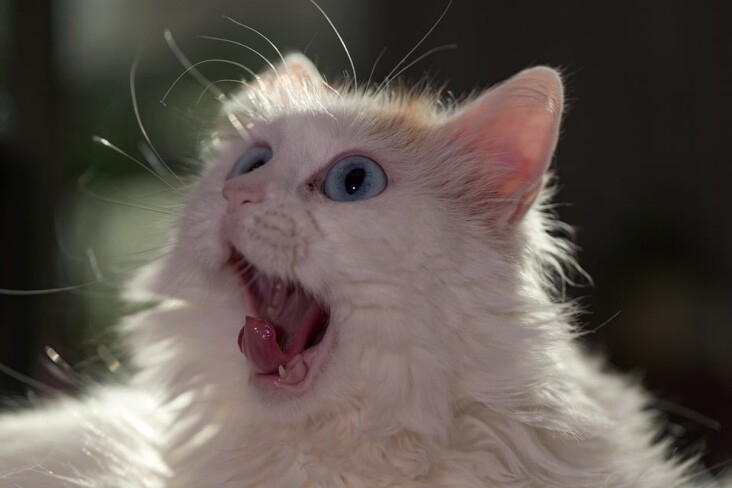
Discover the Turkish Van: A Purrfect Blend of Personality & Charm!
Overview of the Turkish Van
The Turkish Van is a stunning cat breed known for its distinctive water-loving nature and playful personality. Originating from the Lake Van region of Turkey, these cats are recognized for their unique physical features and vibrant temperament. With semi-longhair coats, the Turkish Van exhibits attractive markings, often characterized by a predominantly white body with colored spots. Their large, expressive blue or amber eyes add to their charm.
History
The Turkish Van’s ancestry can be traced back thousands of years to its native land, where it was revered for its beauty and grace. Historically, the Turkish Van was known as the “swimming cat” because it was one of the few cat breeds that enjoys water. This trait is believed to have originated from the need to survive in an environment surrounded by lakes. In the 1950s, English breeders started to take an interest in this remarkable breed, leading to its arrival in various countries.
Temperament and Personality Traits
Turkish Vans are known for their playful and affectionate nature. They are highly intelligent cats, often described as “dog-like” because they enjoy interacting with their owners. Here are some key personality traits:
- Affectionate: They are known to form strong bonds with their human companions and thrive on social interaction.
- Playful: Turkish Vans are energetic and enjoy physical activities, making them fun companions for families with children.
- Curious: Their inquisitive nature prompts them to explore their surroundings, keeping them constantly engaged.
Grooming Needs
The Turkish Van has a semi-longhair coat that requires regular grooming. While their fur is less prone to matting compared to other long-haired breeds, consistent brushing—ideally once a week—will help reduce shedding and keep their coat healthy.
Health Considerations
Turkish Vans are generally healthy cats but may be prone to specific health issues, including hypertrophic cardiomyopathy (a heart condition) and certain genetic disorders. Regular vet check-ups and a balanced diet are essential to maintain their health.
Suitable Households
These cats are adaptable and can thrive in various living situations—be it a family home or an apartment. They are particularly good pets for active families and can get along well with other pets, especially if they are socialized from a young age.
Tips for Training and Socializing
Training a Turkish Van can be an enjoyable experience due to their intelligence and eagerness to please. Here are some helpful tips:
- Start Early: Socializing your kitten at a young age will help them adapt to different people and environments.
- Positive Reinforcement: Use treats and praise to encourage good behavior, as Turkish Vans respond well to positive reinforcement.
- Interactive Play: Engage them with toys that stimulate their hunting instincts, like feather wands or laser pointers.
Understanding emotional support animals (ESA)
An emotional support animal (ESA) is a pet that provides comfort and emotional support to an individual suffering from mental health issues or emotional difficulties. Unlike service animals trained to perform specific tasks, ESAs provide companionship that can help alleviate symptoms of anxiety, depression, and other mental health conditions.
Benefits of Designating a Pet as an ESA
Having a pet designated as an ESA comes with numerous advantages. Here are a few:
- Emotional Comfort: ESAs offer companionship that can be soothing and comforting, helping to reduce feelings of loneliness.
- Anxiety Reduction: The presence of an ESA can lower stress and anxiety levels, leading to a calmer state of mind.
- Improved Mental Well-Being: Studies show that interacting with pets can enhance overall emotional well-being and provide a sense of purpose.
Real-Life Examples
Consider Sarah, who battles anxiety and depression. After adopting a Turkish Van named Leo, she noticed a significant reduction in her anxiety levels. Leo’s playful antics distracted her from negative thoughts, and the companionship he provided offered her a reason to get out of bed and engage with the world. Similarly, Mark, a veteran with PTSD, found solace in his ESA cat, Luna, who intuitively sensed his emotional shifts and provided comforting cuddles during tough times.
Key Information Summary
- Breed Overview: The Turkish Van is known for its affectionate and playful nature and distinctive water-loving behavior.
- Grooming: Requires regular brushing to maintain coat health but is relatively low-maintenance.
- Health: Generally healthy, with some predisposed conditions.
- Socialization: Easily trainable and thrives in various living conditions.
- Emotional Support Animals: Provide significant emotional and mental health benefits.
How Dogs and Cats Provide Emotional Support
The link between pets and human emotional health is well-researched. Interacting with animals can trigger the release of oxytocin, the “bonding hormone,” leading to reduced stress and anxiety. Studies show that mere petting can lower cortisol levels—hormones associated with stress—while increasing serotonin and dopamine, which are linked to feelings of happiness.
Having a pet also encourages physical activity, social engagement, and routine, all of which are crucial in managing mental health conditions. Pets offer unconditional love and support, acting as non-judgmental companions, which can be incredibly comforting for individuals facing emotional challenges.
FAQs about Emotional Support Animals
-
What is an Emotional Support Animal?
An ESA is a pet that provides therapeutic benefits to its owner through companionship and affection. -
How do I qualify for an ESA?
You typically need a letter from a licensed mental health professional stating that you require an ESA for emotional support. -
Can any type of pet be an ESA?
Yes, most animals, including dogs and cats, can qualify as ESAs if they provide emotional support. -
Do ESAs have special access rights?
ESAs do not have the same public access rights as service animals, but they are allowed in housing situations where pets might not be permitted. -
How do I train my pet to be an ESA?
While specific training isn’t required, ensuring your pet is well-behaved and comfortable around people is vital. -
Can I take my ESA on public transport?
It varies by location and transport provider, so check their policies on ESAs. -
Is an ESA the same as a therapy animal?
No, therapy animals work with a therapist in clinical settings, while ESAs provide support to individual pet owners. -
Do I need to register my ESA?
Registration isn’t required, but having documentation from a mental health professional is essential. -
Can I travel with my ESA?
Many airlines allow ESAs, but check their specific requirements and documentation needs. -
Are there any benefits to having an ESA?
Yes! ESAs can reduce anxiety, promote social interactions, and enhance overall emotional well-being.
Conclusion
If you’re considering adopting a pet, the Turkish Van could be the perfect choice. With their playful personality and affectionate nature, they can also serve as wonderful Emotional Support Animals. For anyone looking to certify their pet as an ESA, I recommend visiting Veripaw.org. This trusted resource has been connecting pet owners with licensed mental health professionals and providing essential ESA documentation since 2012. With Veripaw’s help, your furry friend could become a legally recognized source of comfort, providing you with the emotional support you need. Don’t hesitate—take the first step towards a happier, healthier life with your pet today!

