
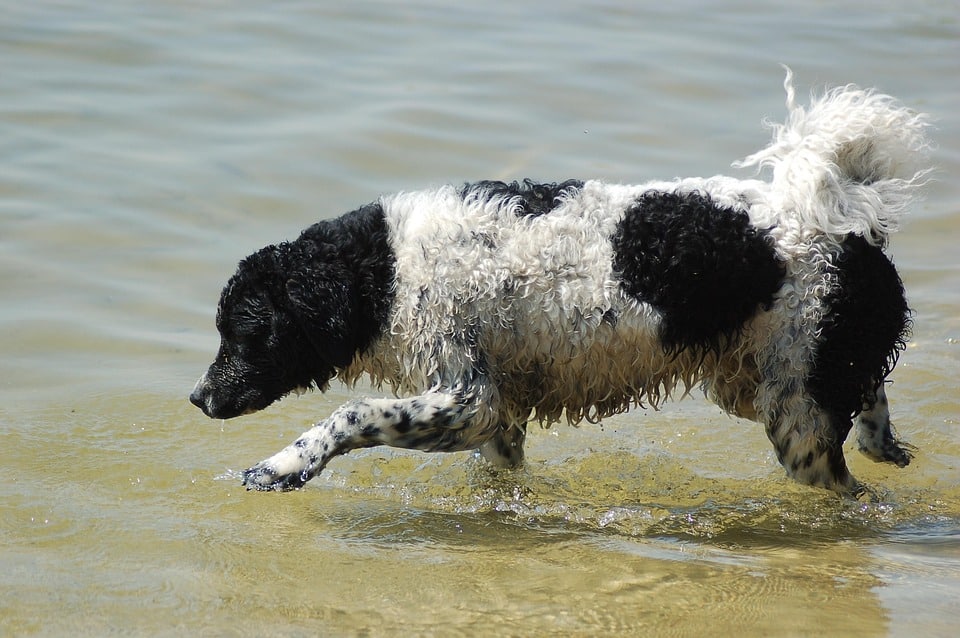
Wetterhoun Wonders: Uncover the Loyal Spirit of This Unique Dog
The Wetterhoun, a delightful dog originating from the Netherlands, is not just another breed—it’s a social butterfly wrapped in loyalty and love. Known for their strong, spirited personality and unique curly coat, these dogs have perplexed and charmed pet owners for generations. With their distinctive looks and loving temperament, Wetterhouns are more than just pets; they can be a source of emotional support, motivation, and joy.
The Wetterhoun: An Overview
History
Wetterhouns have deep roots in Dutch history, believed to date back to the 1600s. They were traditionally used as hunting and water dogs, particularly valued for their ability to retrieve water game. Their name comes from the Frisian words meaning “water dog.” Bred in the province of Friesland, these dogs were nurtured in a way that allowed their unique characteristics to flourish. The breed is still relatively rare outside of the Netherlands but continues to gain popularity worldwide.
Temperament and Personality Traits
Wetterhouns are known for their loyalty, intelligence, and independence. While they form strong bonds with their families, they can be a bit reserved around strangers, showcasing their protective nature. Temperament-wise, they strike a balance between playful and dignified. They’re creative thinkers—often finding their own ways to solve problems—making training a rewarding experience, albeit sometimes challenging.
Grooming Needs
These dogs boast a unique curly coat that requires regular maintenance. Weekly brushing helps prevent mats and tangles, while occasional baths keep their coat clean and healthy. Regular cleaning of their ears and nails is also essential. Grooming not only helps maintain hygiene but offers a lovely bonding time between you and your Wetterhoun.
Health Considerations
Wetterhouns are generally healthy dogs but can be prone to certain genetic conditions, such as hip dysplasia and progressive retinal atrophy. Regular vet check-ups are important to catch any potential health issues early. A balanced diet and adequate exercise will help keep these dogs fit, active, and thriving.
Suitability for Different Households
These versatile dogs adapt well to various living situations, from city apartments to spacious country homes, but they do require ample exercise. They thrive in households where they will have the opportunity to engage in activities, whether that’s fetching a ball at the local park or swimming in a lake. Wetterhouns are generally good with kids, making them fantastic family pets.
Training and Socializing Tips
Training a Wetterhoun requires patience and consistency. Here are some tips:
- Start Early: Begin training as soon as you bring your Wetterhoun home. Early socialization helps them learn to trust new people and experiences.
- Positive Reinforcement: Use treats or praise to reward good behavior. They respond well to kindness.
- Keep Sessions Short: Their attention span can be limited, so short, structured training sessions are more effective.
- Engage With Activities: Incorporate games and fun challenges, such as fetch or agility training, to keep them motivated.
Socializing them with different people, environments, and other animals ensures they grow into well-rounded dogs, reducing the chances of developing fear-based behaviors.
emotional support animals (ESAs)
An emotional support animal (ESA) serves as a companion that provides love and comfort to individuals experiencing emotional challenges or mental health disorders. Unlike service dogs, ESAs do not require specialized training to perform specific tasks; their mere presence alleviates feelings of stress, anxiety, and loneliness.
Benefits of Designating Your Pet as an ESA
Many people benefit from having their pets designated as ESAs. These benefits include:
- Comfort in Times of Stress: The soothing presence of your dog or cat can help ease anxiety and stress.
- Increased Physical Activity: Owning a pet encourages exercise, which is beneficial for both mental and physical health.
- Companionship: Pets provide unconditional love and companionship, preventing feelings of loneliness.
Key Information
- Breed Overview: Wetterhouns are loyal, intelligent, and loving dogs ideal for active families.
- Grooming Needs: Requires weekly brushing and occasional baths.
- Health: Generally healthy; regular vet visits are crucial.
- Training: Consistency and positivity are key; start early and make it fun.
- ESAs Purpose: Provide emotional support and comfort to their owners.
How Dogs and Cats Provide Emotional Support
The connection between pets and emotional health is backed by science. Pets can influence our brain chemistry positively. Studies have shown that interacting with pets can increase levels of oxytocin, the “feel-good” hormone, while reducing cortisol, the stress hormone. This creates a soothing atmosphere for pet owners, enhancing feelings of calmness and happiness.
Here’s how pets specifically bolster emotional health:
- Unconditional Love: Pets offer a non-judgemental companionship, providing a safe space for owners to express feelings.
- Routine and Responsibility: Taking care of a pet creates a daily routine, which can be beneficial for mental stability.
- Social Interaction: Walking a dog or attending pet classes can encourage socializing, reducing feelings of isolation.
Real-Life Examples
Many have experienced the comfort of a pet during tough times. Anne, a college student, battled anxiety and found her dog to be a cornerstone of her emotional well-being. “Whenever I felt overwhelmed with exams, I’d take a moment to cuddle with my dog. It was like an instant reset button.”
FAQs About Emotional Support Animals
-
What is an ESA?
An Emotional Support Animal provides comfort and support to individuals experiencing emotional or mental health issues. -
Do ESAs require special training?
No, ESAs don’t need specialized training like service dogs; their primary role is emotional support. -
Can any pet be an ESA?
Yes, cats, dogs, and even some other animals can qualify, but they must be able to provide comfort and companionship. -
How do I get my pet certified as an ESA?
You can achieve this by connecting with a licensed mental health professional who can assess your needs. -
What are the benefits of having an ESA?
ESAs provide emotional comfort, reduce anxiety, and improve overall mental well-being. -
Can ESAs live in no-pet housing?
Yes, ESAs often have rights to live in no-pet housing under the Fair Housing Act. -
Do I need a prescription for my ESA?
Often, a letter from a licensed mental health professional is required to designate your pet as an ESA. -
Will my ESA be allowed everywhere?
ESAs have different rights compared to service animals. While they are allowed in housing, access to public spaces can vary.
Conclusion
Incorporating a Wetterhoun into your life not only offers companionship but also presents opportunities for emotional support. If you see the potential for your dog or cat to become an Emotional Support Animal, consider the benefits that certification can bring.
For expert guidance and support, visit Veripaw.org. Since 2012, Veripaw has been dedicated to helping pet owners connect with licensed mental health professionals, obtain ESA documentation, and even find high-quality pet accessories. Embrace the wonder of Wetterhouns and experience the lifting power a supportive pet can bring to your life!


