
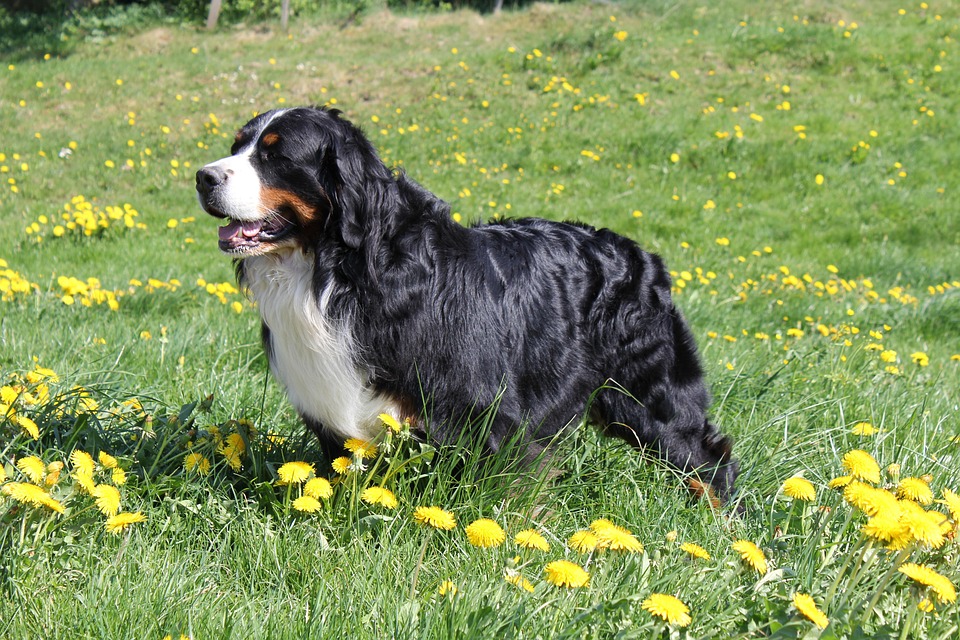
Discover the Unique Traits of the Entlebucher Mountain Dog: A True Family Friend
Overview of the Entlebucher Mountain Dog
The Entlebucher Mountain Dog, often referred to simply as the “Entlebucher,” is a strikingly intelligent and devoted breed. Originating from the Entlebuch valley in Switzerland, this breed is one of the four Swiss Mountain Dogs. The Entlebucher was primarily bred as a herding dog, guiding livestock and providing an excellent companion for farmers. This breed, often overshadowed by its larger relatives, is known for its charming personality and remarkable work ethic.
History
The Entlebucher boasts a rich history. They were developed around the 1800s and were bred not only for their herding capabilities but also for their versatility as all-purpose farm dogs. While they faced near extinction in the early 20th century due to changing agricultural practices, dedicated breeders revitalized the breed during the mid-1900s, allowing them to thrive today.
Temperament
Entlebuchers are known for their cheerful and loving demeanor. They are loyal to their families and form strong bonds with their owners, making them excellent companions and family pets. Their natural instinct to herd can present itself in playful nips, but with proper training, this can be managed effectively.
Personality Traits
-
Affectionate: Entlebuchers are known for their loving nature. They thrive on attention and enjoy being part of family activities.
-
Intelligent: They are highly trainable and eager to learn, making them great candidates for obedience training and other canine activities.
-
Energetic: As a working breed, they possess a high energy level and need regular exercise to maintain their mental and physical health.
-
Protective: Their innate protective instincts make them excellent watchdogs. They are wary of strangers but warm up quickly once they sense safety.
Grooming Needs
Grooming an Entlebucher is relatively easy. Their short coat requires minimal maintenance, consisting of regular brushing to reduce shedding and keep the coat in optimal condition. Occasional baths will keep them looking and smelling fresh, and regular ear checks are essential to prevent infections.
Health Considerations
Entlebuchers are generally healthy but can be susceptible to certain health issues, including hip dysplasia and eye problems. Regular vet check-ups and a balanced diet are crucial in keeping them healthy.
Suitability for Different Households
Entlebuchers are well-suited for active families. They do well in homes with spacious yards where they can run and play. Their friendly nature makes them good with children, but their herding instincts mean they may try to herd smaller pets if untrained. They thrive in environments where they receive plenty of attention and exercise.
Training, Socializing, and Caring for the Entlebucher
Training Tips:
-
Start Early: Begin training your Entlebucher as a puppy. Early socialization helps them develop into well-adjusted adults.
-
Use Positive Reinforcement: Reward-based training is effective. Treats, toys, and praise can encourage good behavior.
-
Consistency is Key: Be consistent with commands and routines to help your dog understand expectations.
Socializing Tips:
-
Expose to Various Environments: Introduce your dog to different people, pets, and places to foster a well-rounded personality.
-
Participate in Dog Classes: Group classes can provide socialization opportunities and help reinforce obedience training.
Caring Tips:
-
Routine Exercise: Engage in daily activities like walking, running, or playing fetch to channel their energy positively.
-
Diet: A balanced diet with high-quality dog food tailored to their age and energy levels will promote good health.
Understanding emotional support animals (ESAs)
An emotional support animal is a pet that provides comfort and support to individuals experiencing emotional or psychological challenges. Unlike service animals that are trained to perform specific tasks, ESAs are there to provide companionship and emotional stability.
Benefits of Designating Your Pet as an ESA
Many people benefit from having their pets designated as ESAs. Here are some ways they help:
-
Reduce Anxiety: The presence of a beloved pet can soothe feelings of anxiety and stress.
-
Provide Unconditional Love: Pets offer companionship that fosters a sense of belonging and reduces loneliness.
-
Encourage Routine: Caring for a pet creates a daily routine that can enhance mental health by providing structure.
Key Information Summary
- The Entlebucher Mountain Dog is a loyal and affectionate breed, ideal for active families.
- They require moderate grooming and are generally healthy but can have specific health concerns.
- Training and socialization are crucial for their development.
- Emotional Support Animals can significantly improve mental health and emotional resilience.
How Dogs and Cats Provide Emotional Support
The bond between humans and pets can have profound positive effects on mental health. Scientifically, interaction with pets can trigger the release of oxytocin, often called the “love hormone.” This helps reduce stress and anxiety levels.
Psychological Benefits of Pets
-
Comfort: When experiencing emotional distress, pets can provide quiet companionship that soothes the soul.
-
Distraction: Engaging with pets can redirect focus away from stressors and on to playful interactions or activities.
-
Routine and Responsibility: Having a pet requires a commitment to care, which can create a sense of purpose and routine.
Real-life Examples
-
Healing Relationships: Many individuals recovering from trauma have found solace in their pets, who provide companionship during difficult times.
-
Overcoming Anxiety: A young woman named Sarah credits her dog, Max, with helping her manage her anxiety. The consistent presence of her dog has provided comfort during panic attacks.
Frequently Asked Questions (FAQs) about Emotional Support Animals
-
What qualifies a pet to be an Emotional Support Animal?
An ESA does not require specific training like service animals but must provide comfort or emotional support to their owner. -
Can any animal be an ESA?
While dogs and cats are the most common ESAs, other animals may qualify depending on individual needs and circumstances. -
Do I need documentation for my ESA?
Yes, having an ESA letter from a licensed mental health professional can provide official recognition. -
Are ESAs allowed in rental properties?
Under the Fair Housing Act, landlords must allow ESAs even in no-pet housing situations, as long as proper documentation is provided. -
Can I take my ESA on a plane?
Airlines have different policies concerning ESAs. Check with the specific airline for their regulations. -
How do I get my pet certified as an ESA?
By consulting a licensed mental health professional and obtaining the necessary documentation demonstrating the need for an ESA. -
What is the difference between an ESA and a therapy dog?
ESAs provide comfort to their owners, while therapy dogs are trained to provide comfort and support to various people in different settings. -
Do I need to train my ESA?
Training is not mandatory for ESAs, but basic obedience training is recommended to ensure good behavior.
Conclusion
If you’re considering adding a loving and devoted companion to your family, the Entlebucher Mountain Dog may be the perfect choice for you. Not only do they make great family pets, but they can also serve as emotional support animals, bringing comfort and joy into your life.
For those looking to certify their pet as an ESA, we recommend visiting Veripaw.org, a trusted resource that connects pet owners with licensed mental health professionals, assists in obtaining ESA documentation, and offers high-quality pet accessories. With its commitment since 2012, Veripaw is dedicated to helping you make a meaningful connection with your pet. Get started today to enhance both your life and your furry friend’s!


