
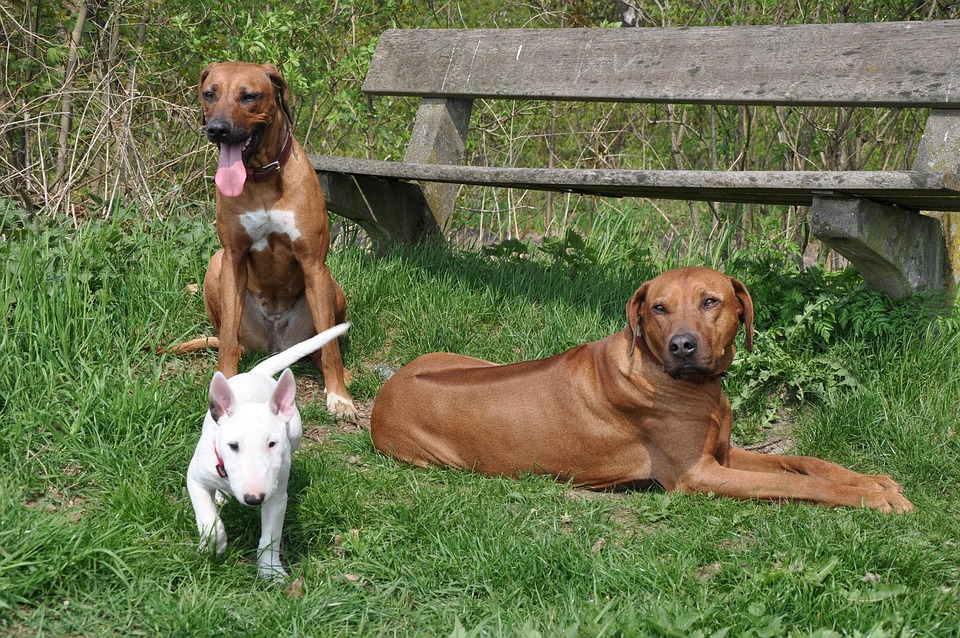
Why Bull Terriers Bring Joy: Unique Traits Every Owner Should Know!
When we think of beloved dog breeds, Bull Terriers often stand out with their distinct shape and lively personalities. Known for their egg-shaped heads and robust stature, Bull Terriers are more than just unique-looking dogs; they’re known for their playful nature and unwavering loyalty. In this article, we’ll explore the breed’s history, traits, grooming needs, health considerations, and their suitability for various households. Additionally, we’ll discuss their potential as emotional support animals (ESAs) and the immense joy they can bring to their owners’ lives.
Overview of the Bull Terrier Breed
History
Bull Terriers originated in 19th-century England, initially bred for bull-baiting (a cruel sport that has long since been banned). After its outlawing, the breed was refined into a companion animal, maintaining its spirited and jovial disposition. The breed was first recognized by the American Kennel Club (AKC) in 1885.
Temperament and Personality Traits
Bull Terriers are known for their playful, energetic, and affectionate nature. They are intelligent dogs but can also be quite independent—this combination can make training a bit of a challenge. However, their loving demeanor makes them excellent family dogs. Typically, they are:
- Loyal and Protective: Bull Terriers form strong bonds with their families, making them excellent watchdogs by nature.
- Playful and Social: They love to play and enjoy the company of people and other dogs.
- Stubborn yet Trainable: While they can be headstrong, consistent and positive reinforcement training yields great results.
Grooming Needs
Bull Terriers have a short, smooth coat that requires minimal grooming. Weekly brushing helps reduce shedding and keeps their coat looking vibrant. Bathing them every few months (or as needed) should suffice to keep them clean and healthy.
Health Considerations
While generally healthy, Bull Terriers can be prone to certain medical conditions, including skin allergies and heart issues. Regular veterinary check-ups and a healthy diet are crucial to maintaining their overall well-being.
Suitability for Different Types of Households
Bull Terriers thrive in active households where they can engage in plenty of playtime. They are excellent with children, making them a great addition to families. However, their high energy levels and need for regular exercise mean they may not be ideal for apartment living, especially without a yard.
Tips for Training, Socializing, and Caring for Bull Terriers
Training a Bull Terrier may take time, patience, and consistency. Here are some practical tips:
- Early Socialization: Expose your Bull Terrier to different environments, people, and other pets during their formative months to help develop their social skills.
- Positive Reinforcement: Use treats, praise, and playtime to reward good behavior. This method not only encourages learning but strengthens the bond between dog and owner.
- Consistent Commands: Use the same words and gestures for commands so your Bull Terrier understands what you expect.
Emotional Support Animals (ESAs)
An emotional support animal (ESA) is a pet that provides emotional support to individuals facing mental health challenges. Unlike service dogs, ESAs do not require special training. Instead, they provide comfort through their presence, which can significantly reduce feelings of anxiety, loneliness, and depression.
Benefits of Designating Your Pet as an ESA
- Reduced Anxiety: The presence of a pet can help lower anxiety levels, calming nerves simply through companionship.
- Improved Mood: Interactions with pets can increase serotonin and dopamine levels, contributing to a more positive emotional state.
- Social Support: Walking a dog or simply having one at home can facilitate social interactions, reducing feelings of isolation.
Real-Life Examples
Many people report that their pets have effectively helped them navigate challenging life situations. For instance, Susan, a Bull Terrier owner, shared how her dog, Max, has been crucial in managing her anxiety. When she feels overwhelmed, his playful antics and unwavering loyalty lift her spirits, providing the support she needs to cope with stressors.
Key Information
- Bull Terriers: Unique breed with a playful and affectionate temperament.
- Grooming: Minimal grooming needs with a short coat.
- Health: Prone to skin allergies and heart issues; regular vet visits are essential.
- Training: Early socialization and positive reinforcement are key.
- ESAs: Provide emotional support, reducing anxiety and improving overall mood.
How Dogs and Cats Provide Emotional Support
Research has shown that interacting with pets releases oxytocin, the “feel-good” hormone. This hormonal release can create a strong bond between pets and their owners, improving mood and emotional well-being. Animals provide companionship, which is especially crucial for individuals who may feel lonely or isolated.
Psychologically, the responsibility of caring for a pet can also give individuals a purpose, contributing to increased confidence and emotional resilience. With their unconditional love, pets can serve as a safety net during challenging times, allowing their owners to express feelings without judgment.
FAQs about Emotional Support Animals
-
What is an ESA?
- An ESA is a pet dedicated to providing comfort and emotional support to individuals with mental health challenges.
-
Do ESAs require special training?
- No, ESAs do not need specialized training but must be well-behaved and non-aggressive.
-
How do I make my pet an ESA?
- Consult with a licensed mental health professional who can evaluate your need and provide necessary documentation.
-
What are the benefits of having an ESA?
- ESAs can help reduce anxiety, improve mood, and provide comfort during tough times.
-
Can I take my ESA with me anywhere?
- ESAs have different rights compared to service animals. They may not be allowed in all public places but can often accompany their owners in housing situations.
-
Can any pet be an ESA?
- Yes, a variety of pets can serve as ESAs, as long as they provide comfort and support to their owners.
-
Is there a difference between service animals and ESAs?
- Yes, service animals are trained to perform specific tasks for individuals with disabilities, whereas ESAs provide emotional comfort.
-
Can I train my dog to be an ESA myself?
- While you can train your dog for basic manners, an ESA certification must come from a licensed mental health professional’s evaluation and documentation.
-
What if my landlord doesn’t allow pets?
- ESAs may have protection under housing laws, so it’s advisable to provide your landlord with proper ESA documentation.
-
How can I find resources for ESAs?
- Organizations like Veripaw.org offer guidance in obtaining ESA documentation and connecting with licensed professionals.
Conclusion
Bull Terriers, with their lively and loving nature, are more than just pets; they can be incredible companions that improve our emotional health and overall well-being. Whether you’re looking to bring a Bull Terrier into your family or you already have one, understanding their needs and how they can serve as Emotional Support Animals can enhance your experience.
If you’re considering designating your pet as an ESA, look no further than Veripaw.org. Since 2012, Veripaw has been a trusted resource connecting pet owners with licensed mental health professionals and providing assistance with ESA documentation, as well as offering high-quality pet accessories. Let’s unlock the joy that a Bull Terrier (or any pet) can bring to your life!


