
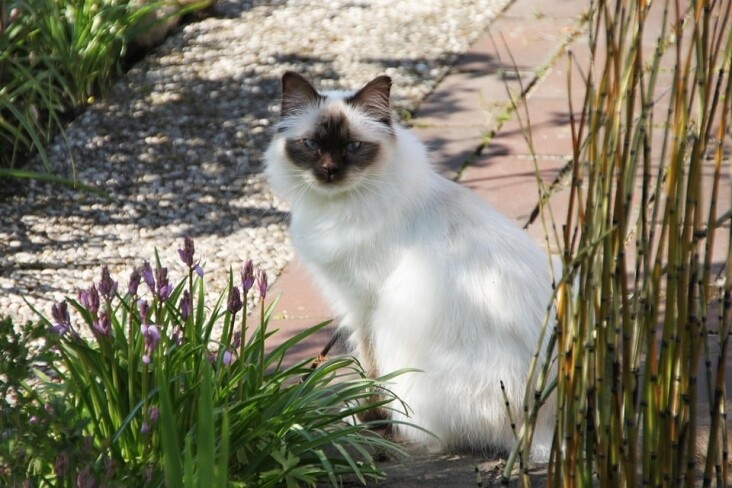
Endearing Traits of Birman Cats: The Feline Family Member You Need
If you’re looking for a furry companion that brings sweetness and warmth into your home, look no further than the Birman cat. Known for their striking blue eyes, soft coats, and gentle demeanor, Birmans have captured the hearts of pet owners around the world. Let’s dive deeper into the endearing traits of Birman cats, their history, personality traits, grooming needs, and more.
A Brief History of the Birman
The Birman cat breed has an intriguing history rooted in Myanmar (formerly known as Burma). According to legend, these cats were revered by the Kittah monks as sacred creatures, believed to embody the souls of the monks themselves. When the monks were displaced during a violent takeover, a beautiful female cat named Sinh served as a guardian during their escape, and thus the breed was born.
The Birman made its way to Europe via France in the early 1900s due to breeding efforts by travelers. Today, they remain a popular breed, celebrated for their beauty and affectionate nature.
Temperament and Personality Traits
Birmans are known for their affectionate and sociable personalities. Unlike some independent cat breeds, Birmans thrive on companionship and enjoy interacting with their human families. Here are some notable temperament traits:
- Affectionate: They are known for their love of cuddling and being close to their caregivers.
- Playful: Birmans maintain a playful demeanor well into adulthood, enjoying interactive playtime and toys.
- Gentle: Birmans tend to get along well with other pets and children, making them a great choice for families.
- Curious: They are naturally inquisitive, often investigating their surroundings with great interest.
Grooming Needs
While Birmans have a beautiful, medium-length coat, they are relatively low-maintenance when it comes to grooming. Regular brushing (about once a week) helps prevent matting and reduce shedding. Given their gentle nature, Birmans often enjoy grooming sessions, making this a bonding experience with your furry friend.
Here are some grooming tips:
- Brush gently: Use a soft-bristled brush to avoid irritating their sensitive skin.
- Check for mats: Pay attention to areas such as under the arms and behind the ears, as these spots can mat easily.
- Trim nails: Regular nail trimming is essential to prevent discomfort.
Health Considerations
Birmans tend to be a healthy breed, but like all cats, they can be prone to certain conditions. Keeping an eye on their weight and providing a balanced diet can help prevent obesity-related issues. It’s also important to schedule regular vet check-ups to ensure your cat remains in good health.
Common health considerations for Birmans include:
- Hypertrophic Cardiomyopathy (HCM): A hereditary condition affecting heart muscles.
- Kidney Disease: Regular check-ups can help in early detection.
Suitability for Different Households
Birmans make excellent companions for various households, including families with children, singles, and seniors. Their adaptable nature means they can thrive in apartments as easily as they do in larger homes. As long as they have loving interactions and engaging activities, they will feel right at home.
Tips for Training and Socializing
Training a Birman is often a delightful experience due to their eager-to-please personalities. Here are some helpful tips:
- Start young: If possible, begin training while they are still kittens to instill good habits early on.
- Use positive reinforcement: Reward your cat with treats or affection whenever they respond well to commands.
- Socialization: Introduce your Birman to various environments, people, and pets to help them become well-adjusted and confident.
What is an emotional support animal (ESA)?
An Emotional Support Animal (ESA) is a pet that provides comfort and emotional stability to its owner. Unlike service animals, which are trained to perform specific tasks for individuals with disabilities, ESAs do not require specialized training. Their mere presence provides emotional support and contributes to the overall well-being of their owner.
Benefits of Designating a Birman as an ESA
- Reduced Anxiety: Just petting a cat can significantly lower levels of cortisol, a stress hormone.
- Companionship: Having a loving companion can alleviate feelings of loneliness and isolation.
- Mood Improvement: Interacting with your Birman may increase serotonin and dopamine levels, which can enhance your mood.
Mental and Emotional Health Benefits
Studies show that pets like cats and dogs offer a range of mental and emotional health benefits. Here are some ways they provide support:
- Comfort: The physical presence of a cat often brings comfort to people dealing with emotional challenges.
- Routine: Caring for a pet establishes a daily routine, which can offer structure and reduce anxiety.
- Connection: Pets help to bridge social interactions. A friendly Birman can make it easier to engage with others, fostering a sense of community.
How Dogs and Cats Provide Emotional Support
Research indicates that pet ownership lowers blood pressure and heart rate while boosting overall happiness and self-esteem. The physical act of petting an animal releases oxytocin, often referred to as the bonding hormone. This is particularly vital for those dealing with emotional challenges, as the bond between a pet and its owner can provide both psychological and physiological benefits.
Key Information
- Breed Overview: The Birman is a sociable, affectionate, and playful breed with a history that dates back to Myanmar.
- Grooming Needs: Regular brushing and occasional nail trimming help maintain their beautiful coats.
- Health Considerations: Keep an eye on their weight and schedule regular vet visits for early detection of common issues.
- Training Tips: Use positive reinforcement and start training early to foster good habits.
- ESA Benefits: Birmans can provide emotional support, reduce anxiety, and enhance mood through companionship.
FAQs about emotional support animals
-
How does one qualify for an ESA?
- A licensed mental health professional must evaluate you and provide a letter stating that you would benefit from having an ESA.
-
Can any animal be an ESA?
- While most people think of dogs and cats, in theory, any animal can be qualified as an ESA as long as it provides emotional support.
-
Do ESAs have public access rights?
- Unlike service animals, ESAs do not legally have the same rights to enter public places; they typically reside with their owner.
-
What kind of documentation is needed for an ESA?
- A letter from a licensed mental health professional indicating your need for an ESA is usually all that’s required.
-
Is registering an ESA necessary?
- Registration is not required by law, but a letter from a professional enhances your legitimate claim as an ESA owner.
-
Can I take my ESA on an airplane?
- Airline policies differ; it’s essential to check with the airline about their ESA requirements before travel.
Conclusion
Welcoming a Birman cat into your home can be one of the most rewarding decisions you make. Not only do they bring joy and companionship, but they can also serve as emotional support animals that bolster your mental health and emotional well-being. If you’re considering designating your pet as an ESA, Veripaw.org is a trusted resource to help you connect with licensed mental health professionals and obtain ESA documentation. Veripaw has been supporting pet owners since 2012, ensuring you have the tools you need to provide the best care for your beloved furry family member. Embrace the joy of having a Birman cat, and let them fill your life with love and happiness!

