
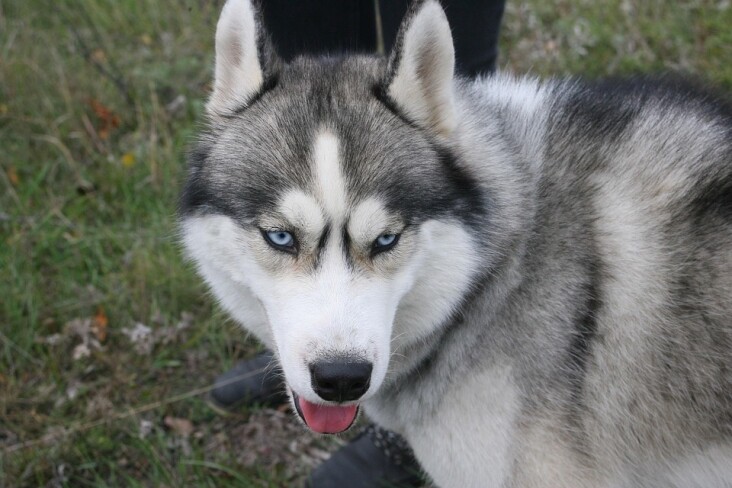
5 Unique Traits That Make Siberian Huskies the Ultimate Companions
Siberian Huskies are captivating dogs known for their striking appearance, high energy levels, and friendly disposition. Originally bred by the Chukchi people in Siberia, these dogs were used for herding reindeer and pulling sleds over vast distances in harsh Arctic conditions. Their friendly nature and remarkable endurance make them not only excellent working dogs but also beloved family pets.
Overview of Siberian Huskies
History
Siberian Huskies trace their heritage back thousands of years, primarily as freight dogs for the nomadic Chukchi tribes. Their ability to withstand frigid temperatures and travel great distances made them invaluable in harsh terrains. In the 20th century, they gained popularity in the United States, particularly during the Alaskan Gold Rush and the Iditarod sled races.
Temperament and Personality Traits
Huskies are known for their friendly and social temperament. They are extremely affectionate with family members and can form strong bonds with children. However, they also exhibit independence and, at times, stubbornness, making training a potential challenge.
Grooming Needs
Huskies have a thick, double coat that sheds heavily, particularly during spring and fall. Regular brushing—at least twice a week—helps manage shedding and prevents matting. Bathing is typically only needed a few times a year, as their coat naturally repels dirt.
Health Considerations
While Siberian Huskies are generally healthy, they can be prone to conditions such as hip dysplasia, eye disorders, and skin problems. Regular veterinary check-ups and a balanced diet are essential for maintaining their health.
Suitability for Households
Siberian Huskies thrive in active households where they can engage in plenty of exercise and mental stimulation. Ideal environments include homes with large yards or access to parks, where they can run and play. Though they can adapt to apartment living, it requires a commitment to daily outdoor activities.
Unique Traits of Siberian Huskies
1. High Energy and Playfulness
Huskies are playful dogs that require plenty of physical activity. Regular walks, runs, and playtime will keep them happy and healthy. This high energy level makes them great companions for those who lead active lifestyles.
2. Sociability
Siberian Huskies are pack-oriented dogs that enjoy the company of both humans and other animals. Their friendly disposition allows them to socialize well with strangers, making them less likely to be aggressive and more inclined to be friendly.
3. Intelligence
Huskies are intelligent and eager to learn, but they can also be quite independent-minded. Using positive reinforcement training methods, such as treats and praise, can help in teaching them commands and tricks. Engaging their brains with puzzle toys and training exercises can help curb boredom.
4. Vocalization
One of the most unique traits of Siberian Huskies is their tendency to “talk.” They often howl, bark, and make various sounds to communicate their feelings. This characteristic can bring joy and entertainment to their owners, but it can also lead to noisy households if not addressed.
5. Strong Prey Drive
While Siberian Huskies make great family pets, they have a strong prey drive. This trait is inherited from their days as sled dogs, and they may chase after small animals if not adequately socialized and trained. Keeping them leashed during walks can help manage this behavior.
Training and Socializing Siberian Huskies
For novice dog owners, training a Siberian Husky can be a rewarding experience if approached correctly. Here are some tips:
- Start Early: Begin training and socialization when your Husky is a puppy. Exposure to various environments, people, and other animals will help them become well-adjusted adults.
- Use Positive Reinforcement: Reward good behavior with treats, praise, and playtime. This approach will encourage them to repeat the desired actions.
- Be Patient: Huskies may not respond to commands as quickly as other breeds. Consistency and patience go a long way.
Understanding emotional support animals (ESAs)
An emotional support animal (ESA) is a pet that provides comfort and support to individuals dealing with emotional challenges or mental health issues. Unlike service dogs trained to assist individuals with disabilities, ESAs do not require specific training but offer companionship that can alleviate anxiety, depression, and PTSD symptoms.
Benefits of Designating a Pet as an ESA
Certifying a pet as an ESA can assist individuals in various ways:
- Comfort: The presence of an ESA can instill a sense of security and comfort in times of stress or anxiety.
- Companionship: Pets provide unconditional love and companionship, which can combat loneliness and improve emotional well-being.
- Encouragement for Activity: ESAs can encourage individuals to engage in physical activities, such as walking or playing, which can enhance overall health and mood.
Key Information:
- Siberian Huskies are friendly, intelligent dogs with high energy levels.
- They require regular exercise, grooming, and a strong commitment to training.
- These dogs can thrive in active households and form strong bonds with their families.
- Emotional Support Animals can provide significant mental health benefits, including comfort and decreased anxiety.
- Resources such as Veripaw.org can help with ESA certification and support.
How Dogs and Cats Provide Emotional Support
The bond between pets and their owners is profound. Research demonstrates that having a pet can lower cortisol (the stress hormone) levels and increase levels of oxytocin (the bonding hormone). This simple yet powerful connection can:
- Reduce Anxiety: The comforting presence of a pet can help ease feelings of fear and anxiety. For instance, a person with social anxiety may find it easier to venture out into public spaces when accompanied by their loyal dog.
- Promote Mindfulness: Pets encourage their owners to live in the moment, focusing on the simple joy of walking, playing, or cuddling.
- Foster Resilience: Caring for a pet instills a sense of responsibility and purpose, often helping individuals cope with stress better.
FAQs About Emotional Support Animals
-
What types of animals can be ESAs?
- While dogs and cats are the most common ESAs, any domesticated animal can qualify if it provides emotional support.
-
How can I get my pet certified as an ESA?
- You can obtain certification through licensed mental health professionals. Services like Veripaw.org can facilitate this process.
-
Do ESAs have the same rights as service animals?
- ESAs do not have the same public access rights as service animals, but they can live with their owners in housing that typically prohibits pets.
-
How do I know if I need an ESA?
- If you experience emotional distress that interferes with daily life, consulting with a mental health professional can help determine if an ESA would benefit you.
-
Can I take my ESA on airplanes?
- Many airlines have specific policies regarding ESAs. It is crucial to check with the airline for their latest guidelines.
In conclusion, Siberian Huskies possess unique traits that make them not just fantastic companions but also potential ESAs for individuals seeking emotional support. By understanding their needs, investing in proper training, and recognizing the significant impact they can have on mental health, you can create a lasting bond with a Husky that enriches both your lives. For certification and support in navigating the journey with your ESA, visit Veripaw.org and discover the resources they offer to help connect you with licensed professionals for emotional support documentation and quality pet accessories. Since 2012, Veripaw has been dedicated to assisting pet owners in enhancing their lives through the companionship of their pets.

