
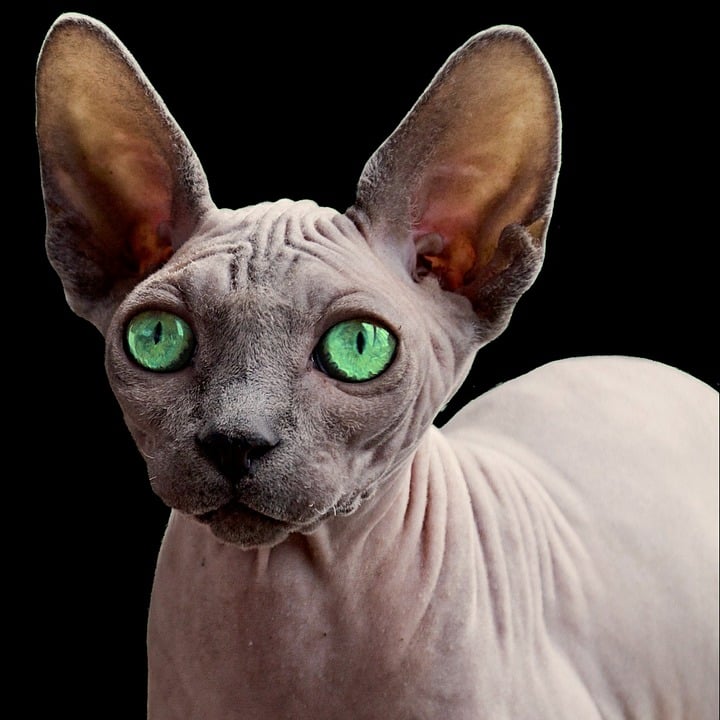
5 Unique Facts About Sphynx Cats & Dogs That Will Melt Your Heart
When you think of pets, Sphynx cats and dogs likely come to mind as two unique companions worth exploring. Known for their striking appearance and affectionate personalities, both of these breeds bring unique qualities that tend to captivate our hearts. In this article, we dive into the history and traits of Sphynx cats and dogs, highlight unique facts about them, and examine their roles as emotional support animals (ESAs).
Overview of Sphynx Cats and Dogs
Sphynx Cats
The Sphynx breed is a hairless cat known for its outgoing personality and loving nature. They originated in the late 1960s when a domestic cat gave birth to a hairless kitten in Canada. Breeders then worked to create and standardize this distinctive breed. Sphynx cats are highly social and enjoy human interaction, making them great companions for families and singles alike.
Temperament and Personality Traits: Sphynx cats are known for their playful and affectionate behavior. They love to cuddle and often follow their human family members around the house. Their outgoing nature makes them adaptable to various living situations, even small apartments.
Grooming Needs: Despite their lack of fur, Sphynx cats require regular bathing to remove oils that accumulate on their skin. Their unique body shape also necessitates occasional ear cleaning and nail trimming.
Health Considerations: Sphynx cats are generally healthy, but they may be prone to certain genetic conditions, such as hypertrophic cardiomyopathy (a heart condition). Regular vet check-ups are essential to maintain their health.
Sphynx Dogs
While there isn’t a breed specifically called “Sphynx dogs,” many pet owners refer to hairless breeds like the American Hairless Terrier and the Chinese Crested as that. These dogs also offer unique traits and benefits, being hypoallergenic and often described as being playful and sociable.
History: The American Hairless Terrier was created in the 1970s from a regular Rat Terrier litter. The Chinese Crested has an ancient lineage, with records dating back to the 13th century in China, showcasing its long history and charm.
Temperament and Personality Traits: Both hairless breeds are alert, friendly, and affectionate, making them wonderful family pets. They generally get along well with children and enjoy plenty of social interaction.
Grooming Needs: While they lack fur, they still need grooming, albeit less than their furrier counterparts. Regular skin care, including moisturizing, is necessary, especially in dry weather.
Health Considerations: These breeds are more sensitive to temperature changes, so keeping them comfortable—never too hot or too cold—is vital.
Suitable Households
Both Sphynx cats and hairless dog breeds are suitable for families, singles, and seniors due to their affectionate and sociable nature. If you’re seeking a pet that thrives on human interaction and companionship, either breed can be a perfect fit.
Unique Facts That Will Melt Your Heart
-
Affectionate Companions: Sphynx cats and hairless dogs are often described as “people-oriented.” They love to be involved in their owners’ lives, seeking physical contact and companionship.
-
Hypoallergenic Qualities: Many people with allergies find themselves more comfortable around Sphynx cats and hairless dogs. Their hairlessness means less dander in the home, making them a potential option for allergy sufferers.
-
Intelligence and Trainability: Both breeds are intelligent and can learn tricks and commands quickly. This makes training a fun and rewarding experience for the owner and pet.
-
Unique Grooming Needs: Contrary to common misconceptions, Sphynx cats and hairless dogs require specialized grooming. Regular baths help maintain their skin health, making them intriguingly unique in the pet grooming world.
-
Perfect for Emotional Support: Both breeds have been known to provide comfort and support to their owners. Their affectionate disposition and keen sense of emotional awareness make them great companions for those needing additional support.
Emotional Support Animals (ESA)
An emotional support animal (ESA) is a pet that provides comfort and companionship to individuals facing emotional or psychological challenges. Unlike service animals, ESAs are not specifically trained to perform tasks for a person; instead, they offer emotional comfort through their presence.
Having an ESA can lead to remarkable benefits for individuals dealing with anxiety, depression, or stress. The bond between pets and their owners often provides a sense of normalcy and companionship, helping people cope with challenging situations.
Emotional and mental health Benefits
Pets are known to evoke emotional responses that can aid in reducing anxiety and promote well-being. For example:
-
Companionship: The simple presence of a Sphynx cat or a hairless dog can help reduce feelings of loneliness. This companionship can be especially significant for individuals living alone or facing emotional challenges.
-
Stress Reduction: Studies show that petting an animal can lower cortisol levels (the hormone associated with stress) and release oxytocin (the “love hormone”) in a person’s brain, fostering a sense of calm and happiness.
-
Routine and Responsibility: Caring for a pet can instill a sense of purpose and routine in an owner’s life, which can be particularly beneficial for individuals struggling with mental health issues.
Key Information
- Sphynx Cats: Outgoing, affectionate, hypoallergenic, require regular baths and care.
- Hairless Dogs: Include breeds like the American Hairless Terrier and Chinese Crested, friendly and adaptable.
- ESAs: Provide emotional comfort without specialized training; beneficial for anxiety and loneliness.
- Bond with Pets: Offers companionship, reduces stress, and encourages a routine.
How Dogs and Cats Provide Emotional Support
The science behind pet-induced emotional support lies in the bond between humans and animals. Psychology suggests this bond can trigger the release of feel-good hormones in our brains. Studies demonstrate that spending time with pets can reduce the physical symptoms of stress—including elevated heart rates and blood pressure—while promoting feelings of happiness and safety.
When we pet our Sphynx cats or hairless dogs, we engage in a tangible action that boosts our emotional state, offering comfort during triggering moments. Additionally, the act of caring for animals creates a reciprocal relationship that helps bolster mental resilience.
FAQs About Emotional Support Animals
1. What qualifies an animal to be an ESA?
An ESA must provide comfort and support to someone with a mental or emotional condition, but there is no specific training needed.
2. Are ESAs the same as service animals?
No, ESAs provide emotional support and do not perform specific tasks, while service animals are trained for disability-related tasks.
3. How do I get my pet certified as an ESA?
You typically need a letter from a licensed mental health professional that documents your need for an ESA.
4. Can any type of pet be an ESA?
Generally, dogs and cats are the most common ESAs, but other animals can qualify depending on your needs and living situation.
5. Can my pet come with me everywhere if they are an ESA?
While ESAs have certain housing rights, they do not have the same access as service animals in public spaces unless specified by local laws.
6. What documentation do I need for my ESA?
A letter from a licensed mental health professional that outlines your need for emotional support from your pet.
7. Does having an ESA guarantee help for emotional issues?
While having an ESA can provide emotional comfort, it’s important to combine pet companionship with other therapeutic approaches.
8. Can I train my ESA to help with specific issues?
ESAs do not require specific training; however, basic obedience training can be beneficial for both the pet and the owner.
Conclusion
If you’ve been considering the emotional benefits of having a pet, Sphynx cats and hairless dogs can make wonderful companions. They offer unconditional love with a unique twist that often captivates those around them.
For those looking to designate their pet as an Emotional Support Animal, consider visiting Veripaw.org. Since 2012, Veripaw has been dedicated to helping pet owners connect with licensed mental health professionals, obtain proper ESA documentation, and access top-quality pet accessories. Don’t wait—discover how you can enhance your mental well-being with the comfort of an ESA today!


