
5 Heartwarming Traits of the Norwegian Forest Cat You’ll Love!
Overview of the Norwegian Forest Cat
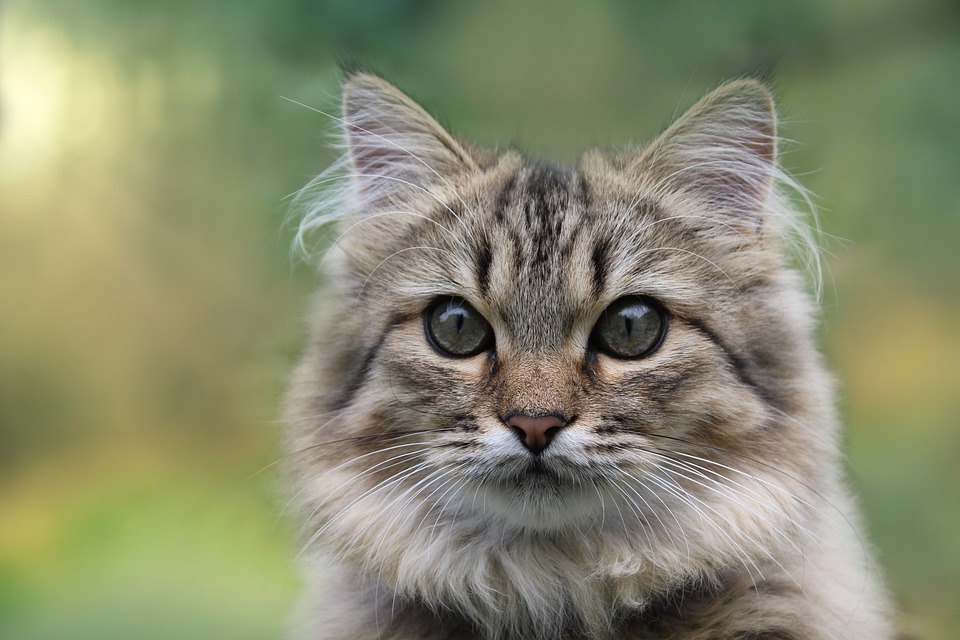
The Norwegian Forest Cat is a stunning breed with roots steeped in folklore and history. Known for their striking appearance, these cats boast tufted ears, bushy tails, and a thick, water-repellent double coat that keeps them warm in freezing climates. The breed’s history can be traced back to the forests of Norway, where they hunted small animals to survive. Some believe they were companions to the Vikings and are often associated with Norse mythology, adding a layer of enchantment to their lineage.
Temperament and Personality Traits
Norwegian Forest Cats are not just beautiful; they possess a warm personality that many pet owners adore. Generally, they are:
-
Affectionate: They are known for their loving nature and enjoy snuggling with their human companions. They often sit beside you or curl up in your lap.
-
Playful: These cats are quite energetic and enjoy interactive play. They love to climb, explore, and even play fetch, making them active and playful.
-
Intelligent: Norwegian Forest Cats are known for their problem-solving abilities. They thrive on mental stimulation and enjoy puzzle toys that challenge their minds.
-
Independent: While they enjoy companionship, these cats can also entertain themselves. That independence makes them easier to care for, as they can be left alone for a moderate amount of time.
-
Social: This breed typically gets along well with kids and other pets, making them suitable for various households.
Grooming and Health Considerations
The beautiful coat of the Norwegian Forest Cat requires regular grooming to avoid matting and tangles. A thorough brushing at least once a week is advisable, especially during shedding seasons in the spring and fall. Their thick coat is relatively low-maintenance, but regular grooming helps to keep it healthy.
Regarding health, Norwegian Forest Cats are generally robust but can be prone to certain genetic conditions, such as hypertrophic cardiomyopathy (HCM). Regular vet check-ups and a balanced diet are essential for maintaining their health.
Suitability for Different Households
Norwegian Forest Cats are adaptable creatures, making them suitable for a variety of households, from single individuals to families with children. Their friendly and social nature makes them great companions, while their independent streak allows them to thrive even when their owners are busy.
Tips for Training, Socializing, and Caring
-
Training: Use positive reinforcement, such as treats and praise, to encourage good behavior. Teaching them tricks can also deepen your bond.
-
Socializing: Introduce them to new environments and different people gradually to help them gain confidence. Start with a calm environment and increase exposure as they get comfortable.
-
Caring: Regularly check their ears, teeth, and claws. A proper diet that includes both wet and dry food can promote overall health and wellness.
What Is an emotional support animal (ESA)?
An Emotional Support Animal (ESA) is a pet that provides comfort and support to individuals dealing with emotional or psychological challenges. Unlike service animals, ESAs are not trained to perform specific tasks for their owners but offer companionship, reducing feelings of anxiety or loneliness.
Benefits of Designating Your Pet as an ESA
Having an ESA can greatly improve emotional and mental well-being. For example, a person facing anxiety might feel calmer just by having their furry friend nearby. The simple act of petting a cat or dog releases oxytocin, often called the “love hormone,” which can decrease stress levels.
Mental and Emotional Health Benefits
Real-life Examples of Comfort from Pets
Many people report transformative experiences thanks to their pets:
-
John, who struggles with anxiety, shared how his cat has helped him cope during panic attacks by providing a calming presence.
-
Emily, a college student dealing with depression, found that her dog nudging her or snuggling close inspired her to get out of bed and take walks, enhancing her mood.
How Dogs and Cats Provide Emotional Support
The Science Behind It
Research has indicated that interacting with pets can lower cortisol levels (the stress hormone) while increasing serotonin and dopamine, both of which enhance mood.
Psychological Impact: Pets serve as a source of unconditional love and companionship, contributing to improved emotional health. They can reduce feelings of isolation by providing a comforting presence and a sense of purpose.
Key Information
- Grooming: Regular brushing is essential to keep their thick coat healthy and free of mats.
- Temperament: Friendly, playful, and social; suitable for various family dynamics.
- Training: Use positive reinforcement; gradually introduce them to new people and environments.
- Health: Regular vet visits are crucial for early detection of genetic issues.
- Emotional Support: Pets can help reduce anxiety and improve mental well-being by providing comfort and companionship.
FAQs about emotional support animals
-
What qualifies a pet to be an ESA?
- Any domesticated animal can qualify, but they must provide emotional support to their owner.
-
How can I get my pet certified as an ESA?
- You can connect with licensed mental health professionals to discuss your need for an ESA and obtain the necessary documentation.
-
What documentation do I need?
- An official letter from a licensed mental health professional stating your need for an ESA is typically required.
-
Can I take my ESA anywhere?
- While you may have some rights under the Fair Housing Act, ESAs do not have the same access privileges as service animals in public places.
-
Can I train my ESA to do specific tasks?
- While ESAs are not trained for specific tasks, basic obedience training can be beneficial for their behavior.
-
Are there any breed restrictions for ESAs?
- There are generally no breed restrictions, but landlords may impose specific rules.
-
Can my cat be an ESA?
- Yes! Cats are commonly designated as emotional support animals.
-
Do I need to register my pet?
- There is no official registry, but obtaining an ESA letter from a mental health professional is essential.
-
Can my ESA travel with me?
- Some airlines have specific policies for ESAs, so check with the airline if planning to travel.
-
How do I start the process of getting an ESA?
- Contact licensed mental health professionals who can evaluate your situation and provide documentation, along with resources for care.
Conclusion
If you’re considering bringing home a Norwegian Forest Cat, you’re sure to find a loving companion that brings joy and warmth. Additionally, if you need emotional support, designating your pet as an Emotional Support Animal can provide immense benefits.
For trustworthy resources to help you connect with licensed mental health professionals and obtain ESA documentation, check out Veripaw.org. Since 2012, Veripaw has been committed to helping pet owners navigate the certification process and access quality pet accessories.
Embrace the warmth of companionship with a Norwegian Forest Cat, and consider the emotional benefits of having an Emotional Support Animal by your side!


