
10 Reasons Why Siberian Huskies Make the Best Adventure Companions
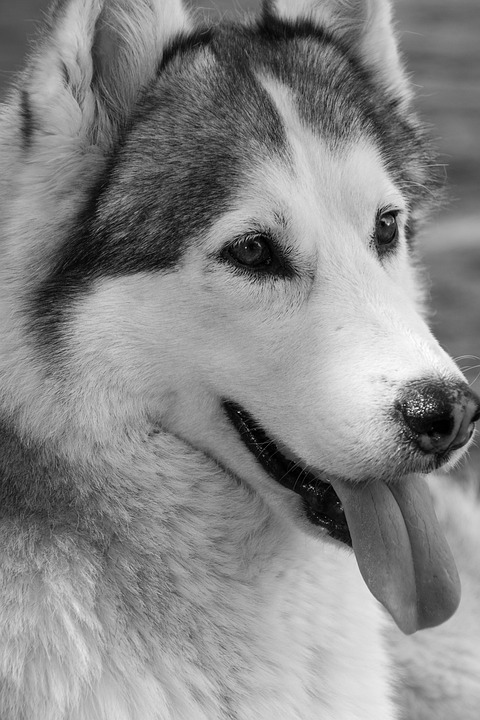
Siberian Huskies are captivating dogs known for their striking appearance and spirited personalities. Originally bred by the Chukchi people of Siberia, these medium-sized working dogs were developed for pulling sleds over long distances in harsh conditions. With their thick double coat, erect triangular ears, and beautiful blue or multicolored eyes, Huskies are not just visually appealing but are also imbued with an adventurous spirit. As family companions, they thrive on activity and social interaction, making them perfect companions for outdoor enthusiasts and busy households.
Overview of Siberian Huskies
History:
Siberian Huskies were bred over 3,000 years ago for their strength and endurance. They played a vital role in transportation and hunting, and have a deep connection to their heritage, which reflects in their playful and energetic nature.
Temperament:
Huskies are known for being friendly, intelligent, and energetic. They possess a strong pack mentality and get along well with people and other animals. Their independent nature can sometimes be misread as stubbornness, but with proper training, they are loyal companions.
Personality Traits:
With a playful demeanor and an adventurous spirit, Huskies are always eager to explore. They often exhibit a curious nature, making them naturally inclined towards adventure. However, this curiosity can lead to escape antics if not properly managed.
Grooming Needs:
Huskies have a thick, double coat that sheds year-round but sheds heavily during spring and fall. Routine brushing (at least twice a week) will help manage shedding and keep their coat healthy. Regular baths should be given sparingly, as their skin has natural oils beneficial for their coat.
Health Considerations:
Siberian Huskies are generally healthy dogs but can be prone to certain conditions such as hip dysplasia and eye disorders like cataracts. Regular veterinary check-ups and a balanced diet are crucial for keeping them in peak condition.
Suitability for Households:
Huskies do well in environments where they can expend their energy. Ideal homes include active families or individuals who love to hike, run, or engage in outdoor activities. They are not suitable for small living spaces without ample exercise opportunities.
Training, Socializing, and Caring for Huskies
Training a Siberian Husky requires patience and consistency. Here are some tips for successful training:
- Positive Reinforcement: Utilize treats and praise to encourage desirable behaviors.
- Socialization: Introduce your Husky to a variety of people and environments from a young age to build confidence and reduce fearfulness.
- Routine Exercise: Ensure your Husky receives daily exercise—preferably several hours of vigorous activity—to stave off boredom.
- Mental Stimulation: Engage their minds with puzzle toys, training sessions, or agility courses.
emotional support animals (ESAs)
An emotional support animal (ESA) is a pet that provides comfort and support to individuals suffering from mental health issues. While ESAs aren’t trained for specific tasks like service animals, they offer emotional assistance simply by being present. Many people find comfort in their pets, which can help alleviate symptoms of anxiety, depression, and other emotional challenges.
Benefits of ESAs for Mental and Emotional Health
Pets can significantly improve emotional health. Studies have shown that spending time with animals can lower blood pressure, reduce feelings of loneliness, and enhance mood.
Real-life Examples:
- Comfort: After a stressful day, cuddling with a pet can provide immediate comfort. Many report feeling less anxious after spending time with their dog or cat.
- Routine: Caring for a pet can bring structure into one’s daily life, which is especially beneficial for those managing mental health conditions.
- Social Interaction: Walking a dog or attending pet events can lead to increased social interaction. Pets can help connect like-minded individuals.
How Dogs and Cats Provide Emotional Support
Research has shown that interactions with pets can elevate mood by triggering the release of hormones like oxytocin, often referred to as the “love hormone.” This bond fosters a sense of security and belonging, enhancing mental resilience.
- Companionship: Pets offer unconditional love and companionship, preventing feelings of loneliness.
- Mindfulness: Taking care of a pet encourages mindfulness, keeping individuals present, and focused on their loved one rather than worries.
- Physical Activity: Walking a dog or playing with a cat can encourage physical activity, which positively impacts overall emotional well-being.
Key Information
- Siberian Huskies are friendly, energetic dogs with a playful temperament.
- They have specific grooming and exercise needs, making them suitable for active families.
- Training should focus on positive reinforcement and socialization.
- Emotional Support Animals provide comfort and companionship, aiding mental well-being.
- Pets help reduce stress, promote social interaction, and instill routine.
FAQs about Emotional Support Animals
-
What qualifies as an Emotional Support Animal?
An ESA can be any pet that provides emotional support to its owner, usually dogs or cats. -
Do ESAs require special training?
No, ESAs are not required to have specific training; their presence is what provides the emotional support. -
How can I get my pet certified as an ESA?
Certification typically involves a letter from a licensed mental health professional confirming that you would benefit from the presence of your pet. -
Are ESAs allowed in public spaces?
Unlike service animals, ESAs do not have the same legal rights; their access to public spaces can vary. -
Can I travel with my ESA?
Many airlines allow ESAs, but it’s essential to check the airline’s policies before traveling. -
What are signs that I could benefit from an ESA?
Signs include feelings of loneliness, anxiety, or depression where companionship could improve your emotional state. -
Is there a difference between ESAs and therapy animals?
Yes, therapy animals provide more structured support, often working with therapists, whereas ESAs provide emotional comfort without formal training. -
What breeds make good ESAs?
Many friendly and affectionate breeds can be effective ESAs, including Golden Retrievers, Labrador Retrievers, and of course, Siberian Huskies.
Conclusion
If you’re contemplating adding a new furry friend to your household or seeking emotional support, consider the Siberian Husky. Their adventurous spirit, combined with their loving nature, can be incredibly rewarding for active families and individuals alike. For those interested in exploring the possibility of designating your pet as an Emotional Support Animal, check out Veripaw.org. Since 2012, they’ve been connecting pet owners with licensed mental health professionals to obtain ESA documentation and offer high-quality pet accessories. Your beloved pet could be the key to improved mental health and companionship—don’t hesitate to explore this option!
As you embark on your journey with a Siberian Husky or any pet, remember they are not just companions but also emotional support providers who enrich our lives in countless ways. Let your adventures begin!


