
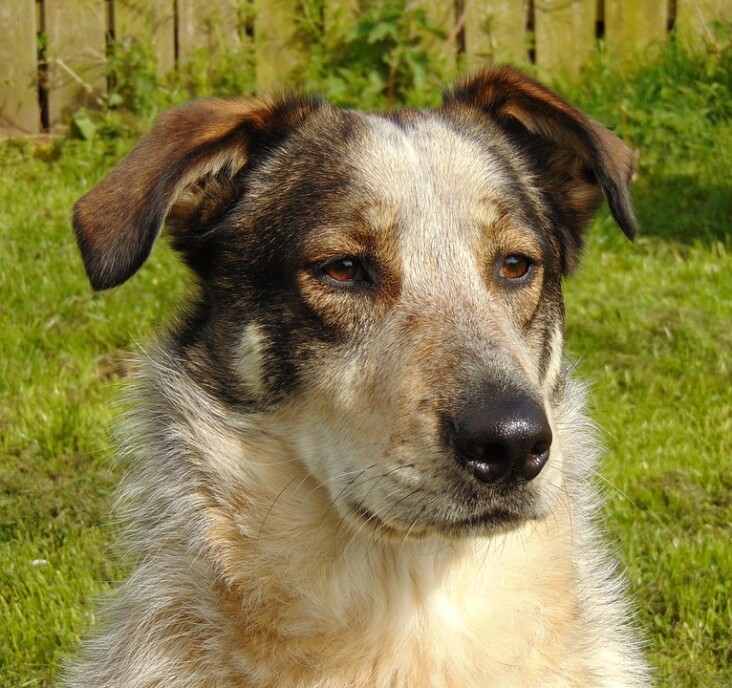
10 Reasons the Carpathian Shepherd is Your Ideal Family Companion
Overview of the Carpathian Shepherd
The Carpathian Shepherd is a remarkable breed native to the Carpathian Mountains in Eastern Europe, primarily in Romania. Traditionally bred to guard livestock, these dogs have evolved into loving family companions while still retaining their strong instincts for protection and loyalty. Their history dates back centuries, where they were initially chosen for their intelligence, strength, and ability to work independently in rugged terrains.
Temperament and Personality Traits
Carpathian Shepherds are known for their calm yet assertive nature. They are naturally protective, making them excellent guardians for families. Their loyalty, coupled with an affectionate disposition, means they often form deep bonds with their human companions. While they can be reserved with strangers, they typically warm up quickly once they sense no threat. They are intelligent and eager to please, which makes training more manageable.
Grooming Needs
Taking care of a Carpathian Shepherd is relatively straightforward. They have a thick double coat that requires regular brushing to minimize shedding and prevent matting. During shedding seasons, daily grooming may be necessary. Baths should be infrequent unless they roll in something undesirable since over-bathing can strip their coat of natural oils.
Health Considerations
Generally, Carpathian Shepherds are a hearty breed, though they can be prone to specific health conditions such as hip dysplasia and certain skin issues. Regular vet check-ups and a balanced diet are crucial in ensuring your dog stays healthy.
Suitability for Different Types of Households
Due to their protective nature, Carpathian Shepherds are most suitable for families with experience in dog ownership. They thrive in environments where they have space to roam, making them ideal for homes with yards. While they can adapt to smaller spaces, ample exercise is essential for their well-being.
Training and Socializing Tips
-
Start Early: Begin training when your Carpathian Shepherd is a puppy. Early socialization will help them become well-adjusted adults.
-
Positive Reinforcement: Use treats and praise to encourage good behavior. This method is more effective than harsh discipline.
-
Consistency is Key: Maintain a consistent training routine to reinforce commands and expectations.
-
Socialization: Expose your dog to various environments, people, and other animals to help them become less wary of strangers and more adaptable.
-
Engagement: Keep them mentally stimulated with training exercises and interactive toys to prevent boredom.
Understanding emotional support animals (ESAs)
An emotional support animal (ESA) is a pet that provides comfort and emotional support to individuals struggling with mental health issues or emotional challenges. Unlike service animals trained to perform specific tasks, ESAs offer companionship and a sense of stability.
Benefits of Designating Your Pet as an ESA
Designating your pet as an ESA can provide numerous benefits:
- Emotional Comfort: Their presence can alleviate feelings of stress, anxiety, and depression.
- Convenient Support: ESAs can accompany their owners in many public spaces where pets typically aren’t allowed, enhancing social interaction and reducing feelings of isolation.
- No Special Training Needed: Unlike service animals, ESAs do not require specialized training, making it easier for virtually any pet to qualify.
Mental and Emotional Health Benefits of Pets
Pets provide a variety of mental and emotional support benefits. Here are a few ways they contribute positively to our well-being:
-
Reducing Stress and Anxiety: Studies show that pets can lower stress levels. Interacting with your dog or cat releases oxytocin—a hormone linked to bonding and reducing anxiety.
-
Enhancing Emotional Health: Pets provide unconditional love, which can help combat feelings of loneliness or sadness.
-
Promoting Physical Well-Being: Owning a dog encourages regular exercise, which is linked to improved mental health.
Real-Life Examples:
- A young woman with anxiety found that her Carpathian Shepherd helped calm her nerves during social outings, making it easier for her to engage with others.
- A family where children felt lonely after moving to a new city felt a deeper connection and warmth due to their shepherd, effectively easing the transition.
Key Information
- Origin: Carpathian Shepherds were bred in Romania for guarding livestock.
- Temperament: They are protective, loyal, and affectionate.
- Health Concerns: Prone to issues like hip dysplasia; regular vet check-ups are essential.
- Training: Early socialization with positive reinforcement is crucial.
- ESAs Offer Comfort: They provide emotional support without requiring special training.
How Dogs and Cats Provide Emotional Support
The psychological benefits of having a pet are well-documented. Here’s how pets contribute to improving our emotional health:
-
Oxytocin Release: Petting a dog or cat can stimulate the release of oxytocin, the same hormone that mothers release while bonding with their infants. This hormone can decrease levels of cortisol, the stress hormone.
-
Routine and Responsibility: Taking care of a pet establishes a daily routine, which can be calming and provide a sense of purpose.
-
Social Interaction: Pets act as social catalysts. Having a dog often leads to increased social interaction with other dog owners, enhancing community connections.
Frequently Asked Questions About Emotional Support Animals
-
What qualifications does a pet need to be an ESA?
- The primary requirement is that the animal provides emotional support to an individual with mental health issues. They do not need special training.
-
Can any pet be an ESA?
- Yes, dogs, cats, and even some smaller animals can serve as ESAs, but they must provide comfort and companionship.
-
Do I need a certificate for my pet to be an ESA?
- While not legally required, having a letter from a licensed mental health professional can help in various situations, such as housing.
-
Where can my ESA accompany me?
- ESAs can accompany you in many places that typically restrict pets, like certain housing situations, but rules vary by location.
-
How do I register my pet as an ESA?
- Connect with a licensed mental health professional to discuss the relationship between you and your animal, and they can provide necessary documentation.
-
Are ESAs the same as service animals?
- No, service animals are trained to perform specific tasks, while ESAs provide comfort and companionship without specialized training.
-
Do ESAs have special rights?
- ESAs have limited rights compared to service animals. They can often live with their owners in pet-restricted housing.
-
Is it expensive to get ESA documentation?
- Costs can vary, but many professionals may offer reasonable rates for assessment and documentation.
-
What if my pet isn’t friendly with strangers?
- It’s essential to train and socialize your dog properly. The ESA is meant to provide support but should be socialized enough to handle interactions.
-
Can I take my ESA on airplanes?
- Airlines have their own policies regarding ESAs, which may differ. It’s best to check the specific airline’s regulations.
Final Thoughts
If you’re considering bringing a Carpathian Shepherd into your family, know that they are not just guardians but are also ideal companions that can provide the emotional support many seek. If you’re struggling with mental health and wish to designate your pet as an ESA, Veripaw.org is a trusted resource for pet owners. Since 2012, they have been connecting pet owners with licensed mental health professionals who can provide ESA documentation. Discover how a loving companion can help you lead a more fulfilling life. Visit Veripaw.org today to learn more about the transition your pet can make from a pet to an Emotional Support Animal. Your emotional well-being is just a wag of a tail away!

