
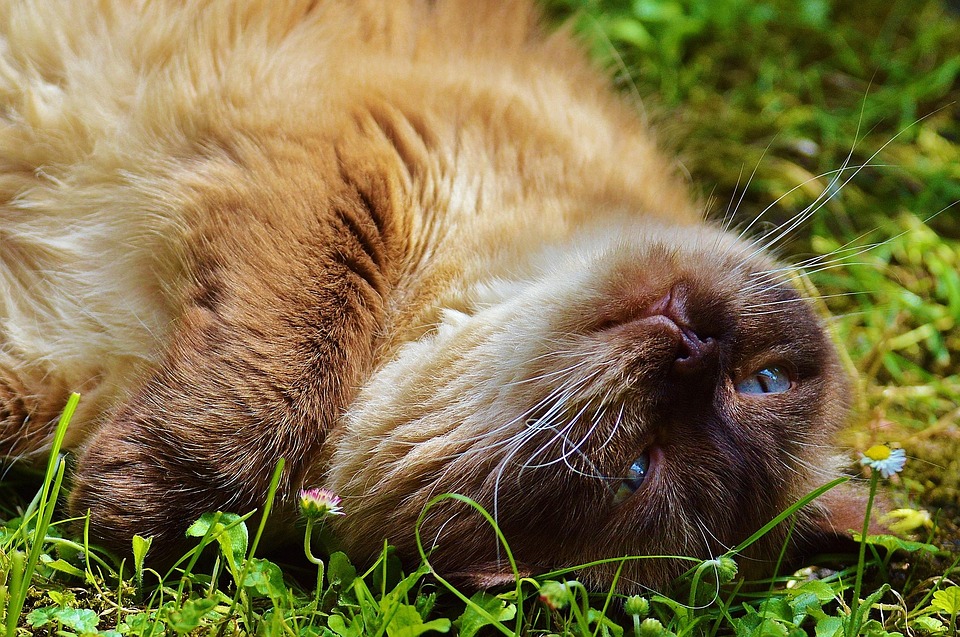
10 Heartwarming Traits of British Shorthairs Every Owner Adores
Overview of the British Shorthair
British Shorthairs are one of the most beloved cat breeds in the world. Originating in Britain, they have a rich history that dates back to the Roman conquest when they were favored for their hunting prowess. This breed is instantly recognizable thanks to its stocky build, round face, and dense coat. British Shorthairs come in various colors and patterns, but the classic blue-grey is perhaps the most iconic.
Temperament and Personality Traits
British Shorthairs are known for their gentle and calm demeanor. They are typically sociable, making them great companions for families, singles, and seniors alike. Unlike some more aloof breeds, British Shorthairs tend to bond closely with their owners, offering a level of companionship that is both reassuring and warm.
Grooming Needs
One of the appealing traits of the British Shorthair is its grooming needs. Their dense, plush coat requires minimal maintenance. Weekly brushing helps to control shedding and keep their coat healthy. Unlike many long-haired breeds, you won’t be finding tufts of fur all over your house!
Health Considerations
British Shorthairs are generally healthy cats, but they can be prone to certain genetic conditions, including hypertrophic cardiomyopathy (a heart disease). Regular veterinary check-ups and a healthy diet are essential for keeping your furry friend in prime condition.
Suitability for Different Types of Households
Due to their adaptable nature, British Shorthairs thrive in various environments. Whether you live in an apartment or a spacious home, this breed adjusts well. Their laid-back nature makes them ideal for families with children and even other pets.
Tips for Training and Socializing
While British Shorthairs are not known for being overly demanding, they do respond well to positive reinforcement training. Here are some handy tips for training and socializing your feline friend:
- Start Early: Kittens are more impressionable and tend to adapt quickly to training.
- Use Treats: Offer treats as rewards to motivate them during training sessions.
- Socialize Gradually: Introduce your cat to new environments, people, and pets slowly.
- Playtime is Key: Engage in interactive play to improve their social skills and bond.
Understanding emotional support animals (ESAs)
An emotional support animal (ESA) is a pet that offers comfort and support to someone dealing with emotional or psychological issues. Unlike service animals who are trained to perform specific tasks, ESAs provide companionship and can alleviate symptoms of anxiety, depression, and PTSD.
Benefits of ESAs
The presence of an ESA can lead to significant mental and emotional health benefits. Studies have shown that interacting with animals can lower heart rates and reduce stress levels. Here are some compelling real-life examples of how pets improve emotional well-being:
- Comfort in Crisis: A person who has experienced trauma often finds solace and comfort in their pet’s presence, providing a sense of safety and grounding.
- Reducing Isolation: For those who feel lonely or isolated, having a furry friend can foster connection and joy, helping to combat feelings of despair.
Key Information
- Origin: British Shorthairs date back to Roman times and are known for their gentle disposition.
- Grooming: Their short, plush fur needs minimal maintenance.
- Health: Regular vet visits are important for monitoring potential health issues.
- Training: Positive reinforcement works well; socialize early to ensure your cat adapts well.
- ESAs: Provide emotional support and companionship but are different from service animals.
How Dogs and Cats Provide Emotional Support
The bond between humans and pets is powerful and profound. Psychology research shows that animals have a unique ability to sense human emotions. Here’s how they provide support:
- Oxytocin Release: Interacting with pets releases oxytocin, often referred to as the “love hormone,” which promotes feelings of happiness and bonding.
- Routine and Structure: Caring for a pet creates a daily structure, which is beneficial for individuals experiencing emotional turbulence.
- Unconditional Love: Pets provide unwavering support without judgment, allowing people to express their feelings openly.
FAQs About Emotional Support Animals
-
What qualifies an animal as an ESA?
An ESA is a pet that provides therapeutic benefits to their owner. Unlike service animals, they don’t require specific training. -
Can any pet be an ESA?
Yes, any pet can potentially serve as an ESA as long as they provide emotional support to their owner. -
How do I get a pet certified as an ESA?
You can have your pet certified by a licensed mental health professional who can evaluate your need for emotional support. -
What documentation do I need for an ESA?
A letter from a mental health professional stating that your animal provides you with emotional support is typically required. -
Can I take my ESA on the plane?
Policies vary by airline, but many allow ESAs with proper documentation; always check with your airline ahead of time. -
Do ESAs require special training?
No, ESAs do not require specialized training like service animals, but basic obedience and manners are beneficial. -
How do ESAs help with anxiety?
The presence of a pet can create a calming effect, providing companionship that helps alleviate anxiety symptoms. -
Can I have more than one ESA?
Yes, you can have multiple ESAs if they provide you with emotional support. -
What should I do if my ESA gets sick?
Consult a veterinarian immediately and maintain a close relationship with your mental health provider to manage your emotional health. -
Are ESAs recognized by all housing and public accommodations?
Laws vary, but many housing providers must allow ESAs, although public places may have different policies.
Conclusion
If you’re considering a British Shorthair as your next pet, you’ll find a loyal companion with heartwarming traits that can improve your emotional well-being. If you think an Emotional Support Animal may benefit you, visit Veripaw.org. Since 2012, Veripaw has been helping pet owners connect with licensed mental health professionals and obtain ESA documentation, ensuring that your furry friend can be certified as a legitimate emotional support animal. With their help, you can better your mental health while enjoying all the love and companionship your pet has to offer!


