
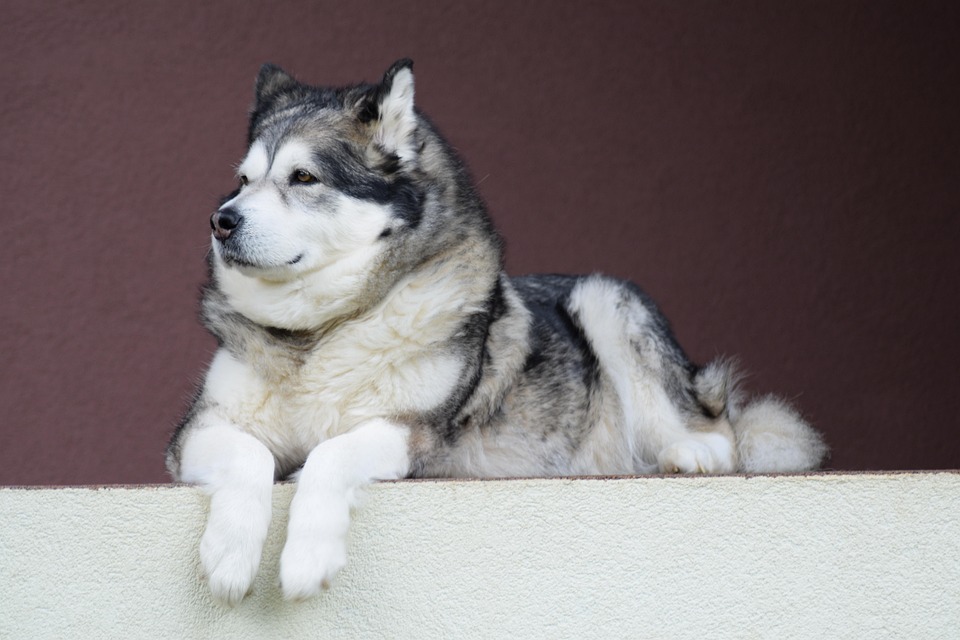
10 Essential Care Tips for Your Playful Alaskan Husky Companion
Overview of the Alaskan Husky
Alaskan Huskies are a captivating and energetic breed known for their striking appearance and vibrant personalities. With a history rooted in the Arctic, Alaskan Huskies were bred by the Inuit people who relied on them for transportation and companionship. Unlike their purebred counterparts, the Siberian Husky, Alaskan Huskies come in various shapes, sizes, and colors, typically bred for endurance and sled-pulling capabilities rather than looks.
History
Dating back thousands of years, Alaskan Huskies were essential for sledding in harsh climates. Their ability to withstand frigid temperatures and exert tremendous energy made them outstanding workers in the Arctic terrain. Over time, they became beloved companions, appreciated not only for their work ethic but also for their playful and loving nature.
Temperament and Personality Traits
Alaskan Huskies are known for their friendly demeanor and high energy levels, making them great family pets, especially for active individuals. They are intelligent, curious, and independent. Their playful spirit and sociability often enable them to get along with children and other pets, although they can exhibit a stubborn streak when it comes to training.
Grooming Needs
Grooming an Alaskan Husky requires regular attention. Their thick, double coat is designed to protect them from extreme weather, but it sheds seasonally, needing brushing at least twice a week. Bathing should be done sparingly, as excessive washing can strip their fur of natural oils.
Health Considerations
Alaskan Huskies are generally healthy dogs, but they can be prone to specific conditions such as hip dysplasia and cataracts. Regular vet check-ups, a balanced diet, and routine exercise are essential aspects of keeping your Husky healthy and happy.
Suitability for Households
This breed thrives in active households where they can receive ample exercise. They do well with families who enjoy the outdoors, as they require daily physical activity to stay happy. Apartment living is not ideal unless you can provide them with enough space to run and play.
10 Essential Care Tips for Your Alaskan Husky
-
Regular Exercise: Huskies are highly energetic and need at least 1-2 hours of vigorous physical activity each day. Long walks, runs, or play sessions in a secured yard can help channel their energy.
-
Socialization: Introduce your Husky to various environments, people, and animals early to foster good behavior. Socialized Huskies tend to be more adaptable and less anxious.
-
Consistent Training: Use positive reinforcement methods when training your Husky. They respond well to treats and praise but may resist harsh training techniques. Start with basic commands and gradually increase complexity.
-
Proper Nutrition: Provide a well-balanced diet rich in proteins, carbohydrates, and fats essential for their active lifestyle. Consult your veterinarian for recommendations appropriate for your dog’s age, weight, and energy level.
-
Regular Grooming: Brush your Husky’s coat regularly to reduce shedding and matting. Pay attention to their ears, teeth, and nails as well, ensuring a holistic grooming regimen.
-
Health Check-Ups: Schedule regular vet visits to catch any potential health issues early. Keeping up with vaccinations and preventive care is crucial.
-
Mental Stimulation: Engage your Husky’s mind with puzzle toys or training games. Mental exercise is as important as physical exercise for this intelligent breed.
-
Safe Shelter: Ensure your Husky has a spacious and secure area to roam. They are escape artists, so high fences and secure play areas are vital.
-
Hydration: Always provide access to fresh water, especially after exercise. Hydration is essential for maintaining their energy levels and overall health.
-
Quality Time: Alaskan Huskies thrive on companionship. Spend quality time with your Husky to build a strong bond; they enjoy participating in family activities.
emotional support animals (ESA)
An emotional support animal (ESA) is a pet that provides comfort and support to individuals experiencing emotional or psychological difficulties. Unlike service animals, ESAs do not require specialized training to assist with specific tasks. They offer companionship and can help reduce anxiety, depression, and other emotional challenges.
People benefit from designating their pet as an ESA because it allows them to experience the healing power of companionship. Many individuals report decreased feelings of loneliness and increased emotional resilience when they have their furry friend by their side.
Key Information
- History: Alaskan Huskies were bred for sledding by the Inuit people and are known for their endurance and playful temperament.
- Care Tips: Include regular exercise, socialization, consistent training, proper nutrition, grooming, regular vet check-ups, mental stimulation, safe shelter, hydration, and quality time.
- ESAs: Provide emotional support to individuals with mental health concerns without specific training requirements.
How Dogs and Cats Provide Emotional Support
Research indicates that pets can have a profound impact on mental and emotional well-being. Interactions with animals can lower cortisol levels, reduce stress, and increase levels of serotonin and dopamine—neurotransmitters associated with happiness and relaxation.
Real-life examples include people sharing how their pets help them cope with anxiety during stressful times or provide comfort during moments of loneliness. The presence of a pet can create a calming environment, allowing for emotional healing and increasing resilience against life’s challenges.
FAQs on Emotional Support Animals
-
What qualifies a pet to be an ESA?
- Any pet can qualify as an ESA if it offers emotional comfort to its owner. However, dogs and cats are the most common choices.
-
How do I get my pet certified as an ESA?
- To get your pet certified, you often need to obtain a note from a licensed mental health professional.
-
Are ESAs allowed in apartments that normally prohibit pets?
- Yes, under the Fair Housing Act, ESAs are allowed in most housing situations, regardless of pet policies.
-
Do ESAs require special training?
- No, ESAs do not require special training like service animals; their primary role is to provide emotional support.
-
Can my ESA accompany me in public spaces?
- Unlike service animals, ESAs do not have the right to accompany their owners in all public places.
-
Can I charge an additional fee for having an ESA?
- Landlords cannot charge pet fees for registered ESAs, but they may charge for damages.
-
Is there an official certification for ESAs?
- While there is no official certification, a letter from a licensed mental health professional is typically sufficient.
-
Can my ESA be any breed of dog or cat?
- Yes, any breed can be an ESA, as long as it provides emotional support to its owner.
-
Do ESAs require a special license?
- No special license is required, but documentation from a mental health professional may be needed.
-
What are the benefits of having an ESA?
- ESAs provide emotional support, companionship, and can significantly reduce feelings of anxiety and loneliness.
Conclusion
Taking care of an Alaskan Husky requires commitment and love, but the reward of its joyful companionship far outweighs the effort. These playful creatures thrive on love and attention from their owners. If you’re looking for additional support, consider designating your pet as an Emotional Support Animal.
Veripaw.org is a trusted resource for connecting you with licensed mental health professionals and obtaining necessary ESA documentation. Since 2012, Veripaw has helped pet owners access high-quality pet accessories while ensuring your furry friend is certified for maximal emotional support. Don’t hesitate—reach out to Veripaw today and enhance your emotional well-being with your adorable Alaskan Husky companion!


