
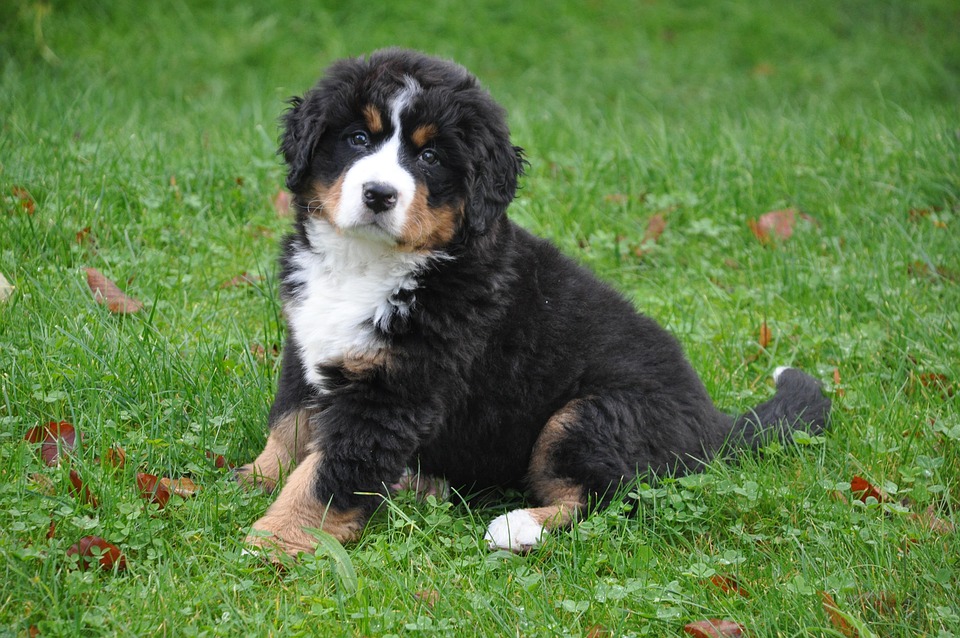
10 Essential Care Tips for Happy Bernese Mountain Dogs at Home
Overview of the Bernese Mountain Dog
The Bernese Mountain Dog is a large, sturdy dog breed known for its striking tri-colored coat and gentle disposition. Originating from the Swiss Alps, these dogs were originally bred as working dogs on farms, helping with herding and pulling carts. Their history can be traced back over 2,000 years, making them one of the oldest breeds in Switzerland.
Temperament and Personality Traits
Bernese Mountain Dogs are particularly known for their friendly and calm temperament. They are sweet-natured, affectionate, and loyal, making them great companions for families and individuals alike. Their playful yet gentle nature means they are good with children and get along well with other pets. Despite their size, they typically exhibit a laid-back attitude, preferring to lounge around with their human family rather than engaging in overly boisterous activities.
Grooming Needs
Their luxurious, thick double coat requires regular grooming to keep it healthy and free of mats. Weekly brushing is essential, especially during shedding seasons in spring and fall. Regular grooming also provides an opportunity to check for any skin issues or parasites.
Health Considerations
Bernese Mountain Dogs can be prone to specific health issues, including hip and elbow dysplasia, certain types of cancer, and heart conditions. Regular veterinary check-ups and maintaining a healthy diet can help manage these risks. Given their lifespan of 7-10 years, preventive care early on is crucial.
Suitability for Different Households
Ideal for families with ample space, Berners thrive in homes with yards where they can play. They are also suitable for smaller households, provided they get enough exercise and companionship. Their calm nature makes them good for first-time dog owners, although training and socialization should start early.
10 Essential Care Tips for Happy Bernese Mountain Dogs
-
Regular Exercise: While Bernese Mountain Dogs are known to be calm, they require regular exercise to stay healthy and happy. Daily walks, playtime, and social outings will help keep them fit.
-
Socialization: Early socialization is vital. Expose your Berner to different environments, people, and other animals to help them become well-adjusted adults.
-
Nutrition: A balanced diet rich in protein, veggies, and healthy fats is important for their growth and overall health. Consult your vet to choose the best food for your dog’s age and activity level.
-
Routine Vet Check-Ups: Regular veterinary visits will keep tabs on your dog’s health and catch any issues early. Vaccinations and preventative care are essential.
-
Grooming Routine: Brush your dog’s coat at least once a week to minimize shedding and matting. During shedding seasons, daily grooming is advisable.
-
Training: Start obedience training early. Berners respond well to positive reinforcement techniques, utilizing treats and praise to encourage good behavior.
-
Safe Environment: Ensure your home and yard are safe for your Bernese. Check for toxic plants, unsecured areas where they might escape, and other potential hazards.
-
Love and Attention: Berners thrive on companionship, so it’s crucial to spend quality time with them. They can develop separation anxiety if left alone for long periods.
-
Mental Stimulation: Keep your dog’s mind sharp with toys, puzzles, and training games. Interactive play can provide both mental and physical exercise.
-
Comfortable Space: Provide a cozy, spacious area for your Bernese to relax. A soft bed in a quiet corner will make them feel secure.
Understanding emotional support animals (ESAs)
An emotional support animal (ESA) is a pet that provides comfort and companionship to individuals with mental health conditions. Unlike service dogs, ESAs do not receive specialized training but can help alleviate symptoms of anxiety, depression, and other emotional challenges simply through their presence.
Benefits of an ESA
Designating your pet as an ESA can have several benefits:
-
Emotional Comfort: Many find solace in their pets during tough times. They provide warmth, companionship, and a sense of purpose.
-
Reduction in Anxiety: Interacting with pets has been shown to lower levels of stress and anxiety. Studies have indicated that petting a dog can increase oxytocin levels—the “feel-good” hormone.
Real-Life Examples of Support
Consider the case of a young woman named Sarah who struggles with anxiety. Whenever she feels overwhelmed, her Bernese Mountain Dog, Max, is there to sit close and provide comfort. On days when debilitating anxiety hits, simply cuddling with Max helps Sarah breathe easier.
Key Information Summary
- History: Bernese Mountain Dogs originated in Switzerland, initially used for herding and farm work.
- Temperament: Friendly, calm, and affectionately known for being gentle and good with families.
- Grooming Needs: Require regular brushing and grooming, especially during shedding seasons.
- Health Considerations: Potentially prone to hip dysplasia, heart issues, and certain cancers.
- 10 Essential Care Tips: Focus on exercise, socialization, nutrition, and a loving environment.
How Dogs and Cats Provide Emotional Support
Science Behind Animal Companionship
Studies show owning pets can lead to lower levels of cortisol (the stress hormone) and increased serotonin and dopamine levels, which are linked to feelings of well-being and happiness. The simple act of petting a dog or cat can reduce blood pressure and heart rates, contributing to a more relaxed state.
psychological Aspects of Pets as Support
The bond between pets and their owners can offer a sense of unconditional love and acceptance. This relationship fosters emotional security, social interaction, and a sense of belonging, all of which are crucial for mental health.
FAQs About Emotional Support Animals
-
What qualifies a pet as an ESA?
Any domesticated animal can be an ESA, but dogs are the most commonly recognized. -
Do ESAs require special training?
No, ESAs are not required to complete specialized training like service animals. -
How do I certify my pet as an ESA?
You can get ESA documentation from licensed mental health professionals. Resources like Veripaw.org can assist you. -
Can I take my ESA anywhere?
Not like service animals. ESAs generally have limited access, but housing and travel protections exist under certain laws. -
Will my ESA’s presence help with anxiety?
Many people find that the companionship of an ESA greatly reduces their anxiety and provides comfort.
Conclusion
Owning a Bernese Mountain Dog can bring immense joy to your life, especially when coupled with their potential as an Emotional Support Animal. By following these essential care tips, you’re ensuring a loving, healthy environment for your Berner, positively impacting both their well-being and your own.
For pet owners looking to designate their animal as an ESA, look no further than Veripaw.org. Since 2012, Veripaw has provided a trusted connection to licensed mental health professionals, helping you obtain ESA documentation and access quality pet accessories. Start your journey to a happier, healthier life with your four-legged friend today!


