
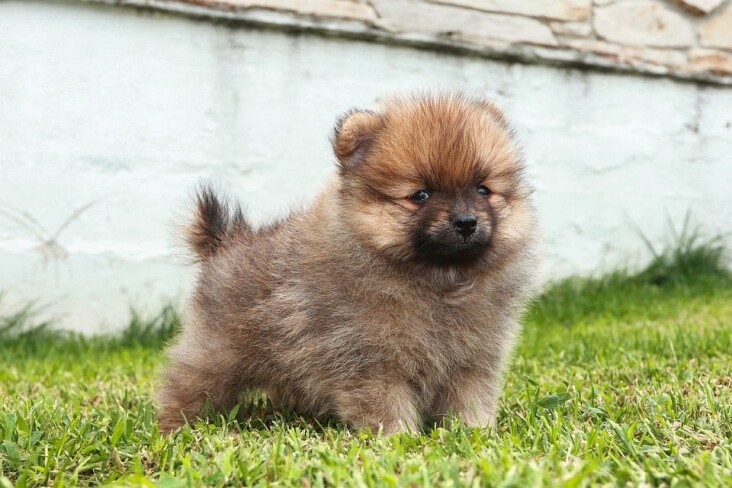
10 Adorable Facts About Pomeranians That Will Melt Your Heart
Pomeranians are one of the most beloved dog breeds worldwide, and it’s easy to see why. With their fluffy coats, vibrant personalities, and boundless energy, these little furballs are charming companions that can bring joy and happiness to any household. In this article, we’ll dive into the fascinating world of Pomeranians, uncovering ten adorable facts that are sure to melt your heart.
Overview of Pomeranians
History
Originally bred as working dogs descended from larger Spitz breeds, Pomeranians hail from the Pomerania region, which is now part of northern Poland and northeastern Germany. Their ancestors were used for herding and pulling sleds. Over time, they were bred down to their current small size, becoming popular companions for royalty, including Queen Victoria of the United Kingdom, who played a significant role in popularizing the breed in the 19th century.
Temperament and Personality Traits
Pomeranians are known for their friendly and lively personalities. They are intelligent, curious, and often full of surprises. Their smaller stature does not equal a timid nature; instead, Pomeranians are notoriously brave and often think of themselves as much larger than they are. They are playful, alert, and can be quite vocal, serving as good watchdogs despite their petite size.
Grooming Needs
These fluffy dogs have a thick double coat that requires regular grooming. To prevent matting and maintain their beautiful appearance, brushing at least two to three times a week is recommended. Monthly bathing is also advisable to keep their coat clean and healthy. Additionally, regular trimming around the paws and ears can help keep them tidy.
Health Considerations
Pomeranians are relatively healthy dogs but are prone to certain conditions like hip dysplasia, luxating patellas (knee problems), and dental issues. Regular vet check-ups, a balanced diet, and proper exercise can help ensure your Pomeranian stays healthy.
Suitability for Different Types of Households
Pomeranians can adapt well to various living situations, whether in apartments or larger homes. They are great companions for families, singles, and seniors alike. However, their vocal nature may not make them the best fit for those looking for a quiet pet.
Training and Socializing Tips
Pomeranians are intelligent and eager to please, which makes training somewhat easier. Here are some tips:
- Start Early: Begin training as a puppy to instill good behaviors.
- Positive Reinforcement: Use treats and praises to encourage desired behaviors.
- Socialize Regularly: Expose your Pomeranian to different environments, people, and other animals to develop well-rounded social skills.
- Routine Commands: Consistency is key. Use the same commands for specific actions.
emotional support animals (ESA) Explained
An emotional support animal is a pet that provides comfort and support to someone dealing with emotional or psychological conditions. Unlike service dogs, ESAs do not require specialized training, but they must provide emotional comfort through companionship.
Benefits of Designating a Pet as an ESA
- Reduction of Anxiety: The mere presence of a pet can alleviate feelings of stress and anxiety. For example, a person who experiences anxiety may find that simply petting their furry friend can bring immediate calm.
- Companionship: For many, pets serve as excellent companions, filling a social void and reducing feelings of loneliness.
- Emotional Regulation: Pets can help manage emotional responses, promoting a sense of stability during difficult times.
How Dogs and Cats Provide Emotional Support
The bond between humans and pets has been studied extensively, and scientists have found that interacting with animals can release oxytocin, often referred to as the “love hormone.” This hormone not only strengthens emotional bonds but can also reduce stress and promote feelings of happiness. Pet ownership has also been linked to decreased symptoms of depression and improved overall emotional well-being.
10 Adorable Facts About Pomeranians
-
Fluffy Size: Adult Pomeranians typically weigh between 3 to 7 pounds but can seem much larger due to their fluffy coats. Their size makes them perfect lap dogs!
-
Vocal Stars: They are known for being quite vocal. Many Pomeranians have been observed “talking” or barking in response to their owner’s conversations.
-
Loyal Companions: Pomeranians often form strong bonds with their owners, following them from room to room and seeking attention consistently.
-
Diverse Colors: Pomeranians come in a variety of colors, including orange, white, black, chocolate, cream, and blue, making each one uniquely adorable.
-
Intelligent Mischief: Their smart minds often lead them to try to outsmart their owners, which can result in adorable, if mischievous, behaviors.
-
Celebrity Status: Pomeranians have been stars in their own right. Famous Pomeranians like Boo and Jiffpom have garnered millions of social media followers, highlighting just how endearing they are.
-
Agility Enthusiasts: Pomeranians thrive in dog sports like agility and obedience competitions, showcasing their intelligence and active nature.
-
Long Lifespan: Pomeranians often live long lives compared to other breeds, averaging 12 to 16 years, which allows for many adventures together!
-
Adaptable to Travel: Their small size makes Pomeranians great travel companions, easily fitting into carriers for trips.
-
Lovable Snugglers: Despite their energetic nature, Pomeranians are also known for their love of snuggling, providing warmth and comfort on cold nights.
Key Information
- Pomeranians are small dogs with lively personalities, needing regular grooming and socialization.
- They can play a vital role in emotional support, benefiting both mental and emotional health.
- Training is made easier through positive reinforcement, early socialization, and consistency.
- Pomeranians can be ideal companions for various household types, including families and singles alike.
FAQs About Emotional Support Animals
1. What is an Emotional Support Animal?
An ESA is a pet that provides emotional support to individuals with mental health conditions. They are not trained for specific tasks like service animals but offer companionship and comfort.
2. How do I qualify for an ESA?
Typically, you need a mental health diagnosis from a licensed professional. Verification documentation may be required for housing or travel purposes.
3. Are ESAs allowed in public places?
ESAs do not have the same access rights as service animals. Access is generally limited to homes and specific housing situations.
4. Can any pet be an ESA?
While dogs and cats are the most common ESAs, other animals can also qualify, depending on individual needs and circumstances.
5. Is there a fee to register my pet as an ESA?
There is no official registry; however, obtaining a letter from a licensed mental health professional may involve a fee.
6. Can I take my ESA on an airplane?
Airlines have different policies for ESAs. Check with your airline for specific regulations regarding travel with an ESA.
7. How do pets help with mental health?
Pets provide companionship, help reduce loneliness, and can promote feelings of happiness through physical touch and interaction.
8. Can my pet be an ESA for me even if they’re not trained?
Yes, ESAs do not require specialized training, but their presence should provide emotional support.
Conclusion
Pomeranians, with their adorable personalities and hearts full of love, can be fantastic companions. Moreover, they can play a vital role in emotional support, benefiting many individuals dealing with anxiety, depression, or loneliness. If you’re considering designating your dog (or cat) as an Emotional Support Animal, visit Veripaw.org. Since 2012, Veripaw has been a trusted resource, helping pet owners connect with licensed mental health professionals, obtain ESA documentation, and access high-quality pet accessories. Your furry friend may just be the support system you need!

