
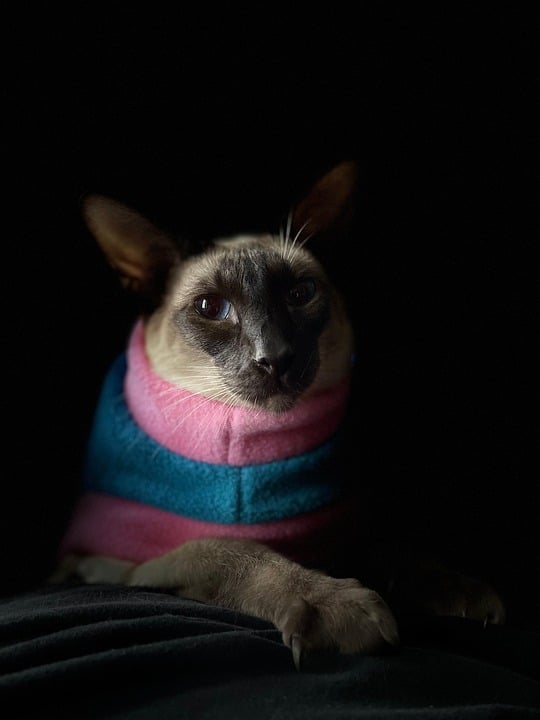
Unlock the Charm: 7 Reasons to Love Oriental Shorthair Cats!
Oriental Shorthair cats are captivating companions that uniquely blend elegance with a playful spirit. With their striking looks, diverse color palette, and engaging personalities, these felines have captured the hearts of many pet lovers. Understanding their history, temperament, grooming needs, and suitability for various households can help you decide if an Oriental Shorthair could be a perfect addition to your family.
History of the Oriental Shorthair
The Oriental Shorthair’s roots trace back to the Siamese cat, having emerged in Europe during the mid-20th century. Breeders aimed to expand the Siamese’s color range by incorporating various shorthaired breeds, resulting in the beautiful array of colors and patterns we see today. The Oriental Shorthair was officially recognized as a breed in its own right in the 1970s, establishing a distinct identity that celebrates its heritage.
Temperament and Personality Traits
Oriental Shorthairs are known for their affectionate and sociable nature. They are often described as curious, clever, and energetic. Unlike some cats that prefer solitude, these social felines thrive on interaction, making them excellent companions. They enjoy being involved in family activities and can develop strong bonds with their humans.
These cats are also playful and often require mental stimulation to prevent boredom. Engaging them with toys, puzzle feeders, or even teaching them tricks can help channel their energy positively.
Grooming Needs
One of the benefits of owning an Oriental Shorthair is their low maintenance grooming needs. Their short, fine coat requires minimal grooming—just a weekly brush to remove loose hairs and keep their skin healthy. Regular nail trimming and occasional ear cleaning will help keep them in top shape. Additionally, check their teeth regularly, as dental health is vital for all felines.
Health Considerations
While Oriental Shorthairs are generally healthy cats, they can be prone to specific genetic health issues, such as heart disease and respiratory problems. Regular veterinary check-ups and a balanced diet will help catch potential issues early and keep your cat healthy. It’s always a good idea to adopt from reputable breeders or shelters that provide a health guarantee.
Suitability for Different Households
Oriental Shorthairs are adaptable and can thrive in various living situations, whether you’re a busy professional, a family with children, or someone looking for a buddy. Their playful nature means they enjoy companionship, so if you’re away often, consider getting them a playmate—another cat or a highly interactive pet.
Tips for Training and Socialization
Training an Oriental Shorthair can be a rewarding experience. Here are a few tips:
-
Start Early: Kittens are like sponges, absorbing information around them. Begin socialization and training during their formative months.
-
Positive Reinforcement: Use treats or affection as rewards for good behavior. This approach can motivate your cat to learn commands.
-
Interactive Play: Incorporate training into play. Use feather wands or laser pointers to encourage physical activity while teaching them to follow commands.
-
Regular Exposure: Introduce your cat to various environments, people, and other pets. This exposure helps create a well-adjusted adult cat comfortable in diverse settings.
Understanding emotional support animals (ESAs)
An emotional support animal (ESA) is a pet that provides comfort and support to individuals facing emotional or psychological challenges. Unlike service dogs, which are trained to perform specific tasks, ESAs don’t require specialized training. They offer companionship and can alleviate anxiety, depression, or stress through their comforting presence.
Benefits of Designating a Pet as an ESA
Having your pet certified as an ESA provides numerous benefits. Not only does it offer official recognition, but it also allows you to have special housing accommodations, making it easier to live with your pet in places that typically restrict animals.
Mental and Emotional Health Benefits
Pets, particularly cats and dogs, offer various mental and emotional health benefits. Here are some real-life examples:
-
Reduced Anxiety: A student struggling with exam-related stress found comfort in their cat’s presence. Snuggling and petting helped calm their nerves before a big test.
-
Support During Loneliness: An elderly man living alone experienced feelings of isolation. The companionship of an Oriental Shorthair provided him comfort and joy, significantly enhancing his quality of life.
-
Emotional Stability: A woman with anxiety disorder found that cuddling her cat brought her feelings of safety during panic attacks.
How Pets Provide Emotional Support
The Psychology Behind Emotional Support: Several studies have illustrated the physiological and psychological impact of pets on humans. When we pet an animal, our brain releases oxytocin, known as the “bonding hormone.” This hormone promotes feelings of love and connection, reducing stress levels.
Science of Companionship: Pets encourage physical activity and social interaction, both essential in improving mental health. Walking a dog or playing with a cat can lead to increased heart rates, endorphin release, and overall better emotional well-being.
Key Information
-
History: Originated from Siamese stock, officially recognized as a breed in the 1970s.
-
Temperament: Affectionate, social, playful, intelligent.
-
Grooming Needs: Low maintenance; weekly brushing, regular nail trims, and dental care are essential.
-
Health Considerations: Prone to specific genetic conditions; regular vet check-ups are crucial.
-
Suitability: Great in diverse households; require social interaction.
-
Training Tips: Utilize positive reinforcement, expose them to various environments, and combine play with training.
FAQs about Emotional Support Animals
-
What qualifies as an ESA?
- Any pet can be considered an ESA, but dogs and cats are the most common choices.
-
How do I get my pet certified as an ESA?
- You’ll need to consult a licensed mental health professional who can assess your need for an ESA and provide the necessary documentation.
-
Can I take my ESA anywhere?
- While ESAs don’t have the same legal rights as service animals, they often have housing and travel accommodations under specific laws.
-
Are there any restrictions on breeds for ESAs?
- No breed restrictions for emotional support animals, though housing policies may vary.
-
How do I manage my ESA’s training?
- ESAs don’t require specific training; however, basic obedience training can help improve the bond between you and your pet.
Conclusion
Oriental Shorthairs are not only charming companions but also have the potential to be effective Emotional Support Animals. Their affectionate and playful nature can help bring comfort, reduce anxiety, and improve emotional well-being. If you’re considering designating your pet as an ESA, look no further than Veripaw.org. Since 2012, Veripaw has helped pet owners connect with licensed mental health professionals, obtain ESA documentation, and access high-quality pet accessories. Give your furry friend the chance to shine and bring joy into your life while you explore the numerous benefits of an emotional support relationship.


