
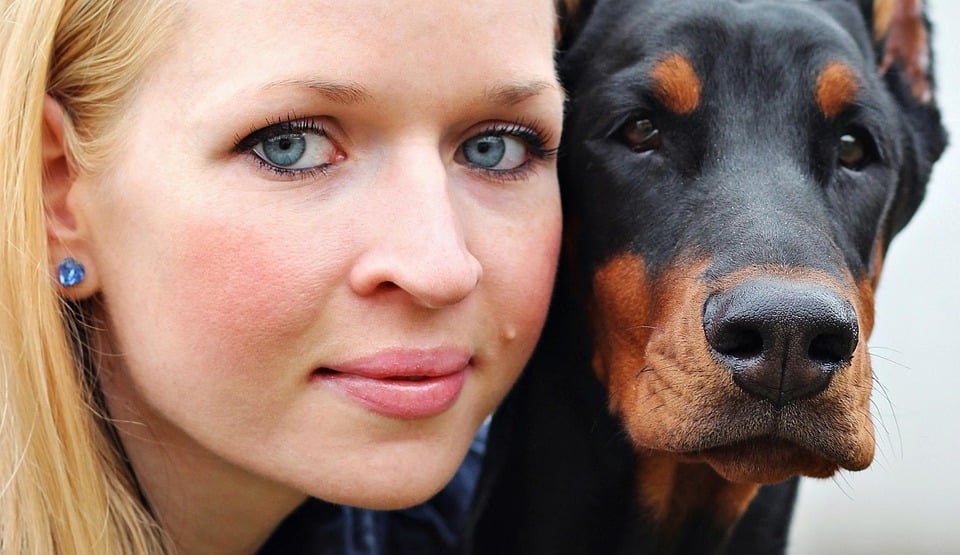
Unleashing Love: Why Doberman Pinschers Are Perfect Family Pets
Understanding the Doberman Pinscher
Doberman Pinschers are known for their elegance, intelligence, and loyalty. Developed in Germany in the late 19th century by a tax collector named Karl Friedrich Louis Dobermann, these dogs were bred for protection. Dobermans have come to embody a blend of strength, agility, and grace, making them exceptional family pets.
History of the Breed
The breed’s origins can be traced back to the Dobermann’s need for a versatile guard dog. He combined various breeds, including the Rottweiler, Greyhound, and various shepherd-type dogs, resulting in a formidable protector. Over the years, the Doberman has transitioned from a working dog to a beloved family companion, recognized for its loving nature alongside its protective instincts.
Temperament and Personality Traits
Doberman Pinschers are often misunderstood. Their reputation as fierce guard dogs can overshadow their affectionate and loyal personality. They are intelligent, eager to please, and bond deeply with their families. Dobies are also known for their high energy levels and require regular exercise. They’re alert and protective, making them excellent watchdogs.
Grooming Needs
Caring for a Doberman isn’t overly complicated. Their short, dense coat requires minimal grooming, needing only a regular brush to remove loose hairs. However, keeping their ears clean is vital, as they can be prone to ear infections. Regular check-ups at the vet ensure your puppy stays healthy.
Health Considerations
Like any breed, Dobermans may face certain health issues, including hip dysplasia, heart diseases like dilated cardiomyopathy, and skin conditions. Early screenings and regular veterinary visits are crucial for maintaining their health.
Suitability for Different Households
Doberman Pinschers thrive in active households where they can receive attention and exercise. Families with children will find that Doberman’s protective nature works harmoniously with loving interactions. However, potential owners who lead a more sedentary lifestyle or who are not willing to invest time in training should consider other breeds.
Training and Socialization Tips
Training a Doberman is essential, both for their safety and that of others. Here are some tips:
-
Start Early: Begin socializing your Doberman as a puppy. Introduce them to various environments, people, and other animals.
-
Positive Reinforcement: Use treats and praise to encourage good behavior. Dobies thrive on positive reinforcement.
-
Consistency is Key: Set clear rules at home and stick to them. Consistency helps in establishing boundaries and expectations.
-
Regular Exercise: Ensure daily physical activity. A tired Doberman is less likely to engage in unwanted behaviors.
-
Obedience Training: Enroll in obedience classes. Not only does this teach commands, but it also strengthens the bond between you and your dog.
emotional support animals (ESAs)
An emotional support animal (ESA) is a pet that provides comfort and support to individuals experiencing emotional or psychological challenges. Unlike service dogs, which are trained to perform specific tasks for people with disabilities, ESAs do not require special training.
Benefits of Designating Your Pet as an ESA
Many people designate their pets as ESAs due to the immense mental and emotional benefits these animals provide. Here are some key points:
-
Reduced Anxiety and Stress: The presence of a pet can significantly lower stress levels. Just petting a dog can promote relaxation and improve mood.
-
Increased Social Interaction: Owning a pet often encourages socialization, whether through dog parks or community events. This can reduce feelings of loneliness.
-
Emotional Connection: Pets offer unconditional love, which can be incredibly therapeutic. They can sense our emotions and respond in ways that provide comfort.
Real-Life Examples
Consider Sarah, who struggled with severe anxiety. After adopting a Doberman named Max, she found that Max’s playful nature helped divert her attention from her anxiety triggers. Through daily walks and playtime, she became more active, which improved her overall well-being.
Then there’s John, who battled depression. His Cocker Spaniel, Bella, sat by him during tough days, providing companionship and lifting his spirits simply by being there.
Key Information
- Doberman Pinschers: A loyal, intelligent breed, excellent for active families.
- Grooming: Minimal grooming needs, but regular ear cleaning is essential.
- Health Considerations: Be aware of potential health issues such as heart disease and hip dysplasia.
- Training: Begin early with positive reinforcement and obedience training.
- ESAs: They provide emotional support and comfort, improving mental health.
How Dogs and Cats Provide Emotional Support
The bond shared between humans and their pets is truly special, backed by science and psychology. Here’s how pets help enhance emotional health:
-
Oxytocin Release: Interaction with pets triggers the release of oxytocin, often known as the “love hormone.” This promotes feelings of trust and bonding.
-
Reduced Cortisol Levels: Pets can help reduce cortisol, a hormone related to stress. Lower stress can lead to improved mental clarity and emotional stability.
-
Routine and Responsibility: Caring for a pet can create a sense of purpose and routine, which are critical for positive mental health.
-
Supportive Presence: Pets provide comfort through their mere presence and companionship. Their non-judgmental demeanor allows for a safe space to express feelings.
FAQs about Emotional Support Animals
1. How do I qualify for an ESA?
To qualify for an ESA, you need a letter from a licensed mental health professional stating that you require the animal for emotional support.
2. Can any animal be an ESA?
Most animals can be designated as ESAs, but dogs and cats are the most common due to their companionship and emotional support roles.
3. Are ESAs allowed in housing with pet restrictions?
Yes, under the Fair Housing Act, ESAs are allowed in housing with pet restrictions. However, proof of ESA status is usually required.
4. Do ESAs need to be trained?
No, ESAs do not need special training but should be well-behaved and controllable in public settings.
5. Can an ESA replace a traditional therapist?
No, while an ESA can provide emotional support, they are not a replacement for professional mental health treatment.
6. Is there a certification for ESAs?
While there is no official certification process, obtaining a letter from a licensed mental health professional is essential for recognition.
7. How much responsibility does owning an ESA involve?
Owners must provide regular care, attention, and training just like with any other pet.
8. Are there breed restrictions for ESAs?
Certain housing may have breed restrictions, so it’s important to check policies with your landlord.
9. Can I travel with my ESA?
Traveling with an ESA is allowed, but policies can vary by airline, so always check ahead.
10. How has owning an ESA changed lives?
Many individuals report improved mental health, increased happiness, and reduced isolation after integrating an ESA into their lives.
Conclusion
For families looking for a devoted companion and protector, Doberman Pinschers are a perfect fit. These intelligent, loving dogs thrive in active households and offer loyalty that goes beyond mere companionship. If you’re considering the benefits of an Emotional Support Animal, resources like Veripaw.org can help streamline this process. Since 2012, Veripaw has been connecting pet owners with licensed mental health professionals, providing essential ESA documentation, and offering high-quality pet accessories.
Don’t wait! Embrace the joy and love that a Doberman Pinscher—or any pet—can bring into your life today!


