
Top 5 Care Tips to Keep Your Ragdoll Happy and Healthy
Overview of Ragdolls
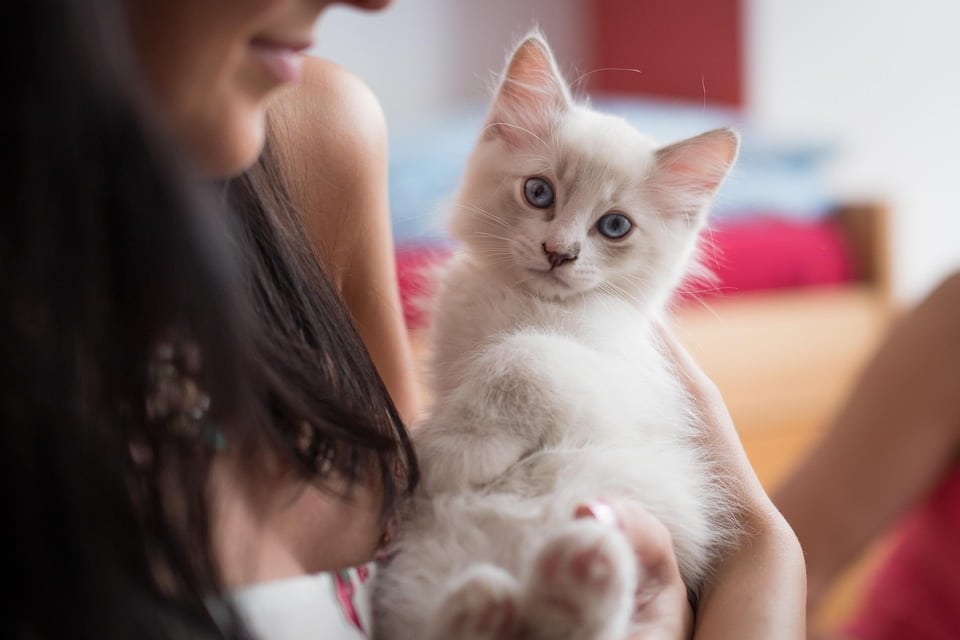
Ragdoll cats are a unique and affectionate breed known for their gentle personalities, striking blue eyes, and semi-long fur. Developed in the 1960s in California, Ragdolls were bred for their docile temperament and large size. They are often described as “puppy-like” due to their tendency to follow their owners around and their enjoyment of human interaction.
Temperament and Personality Traits
Ragdolls are known for their friendly and playful demeanor. They are generally easygoing and adapt well to various household environments, making them ideal companions for families, singles, and seniors alike. Here are some defining traits:
- Affectionate: They enjoy cuddling and are often described as “lap cats.”
- Social: Ragdolls tend to get along with other pets and children.
- Quiet: Unlike some vocal breeds, Ragdolls are known for their serene and gentle behavior.
Grooming Needs
While Ragdolls have beautiful, plush fur, their grooming needs are moderate. Regular brushing is necessary to prevent matting, especially in areas like the armpits and behind the ears.
- Frequency: At least once a week, but more often during shedding seasons.
- Bathing: Occasionally, to reduce oil buildup and promote healthy skin.
Health Considerations
Ragdolls are generally healthy but are predisposed to certain conditions such as hypertrophic cardiomyopathy (HCM), a heart condition. Regular veterinary check-ups and a balanced diet can help manage these risks.
Suitability for Different Households
Ragdolls thrive in various environments, including apartments and spacious homes. Their calm nature makes them suitable for families with kids and other pets. However, they do need social interaction and shouldn’t be left alone for long periods.
Top 5 Care Tips for a Happy Ragdoll
1. Regular Veterinary Check-Ups
Routine vet visits are crucial for early detection of health issues. Vaccinations, dental care, and regular wellness checks will help your Ragdoll lead a longer, healthier life.
2. Balanced Diet
A balanced diet with high-quality cat food, appropriate for their age and health status, keeps their coat shiny and their energy levels high. Consult with your vet to find the best options tailored to your cat’s needs.
3. Active Playtime
Ragdolls love to play! Engage them with interactive toys, laser pointers, or feather wands to encourage physical activity. This not only helps keep them physically fit but also creates wonderful bonding experiences.
4. Regular Grooming
Incorporate regular grooming sessions into your routine. Not only does this improve their coat, but it also provides an opportunity for you both to bond.
5. Quality Time and Socialization
Spend quality time with your Ragdoll every day to satisfy their social needs. Invite friends over or introduce your cat to other pets slowly and with supervision for optimal socialization.
Understanding emotional support animals (ESAs)
An emotional support animal (ESA) is a pet that provides comfort, companionship, and emotional support to its owner. Unlike service animals trained to perform specific tasks, ESAs are meant to improve their owners’ emotional well-being.
Benefits of Designating Your Pet as an ESA
Many people benefit from having an ESA, as pets can help alleviate symptoms of anxiety, depression, and other emotional disorders. Pets provide unconditional love and companionship, reducing feelings of loneliness and enhancing overall happiness.
Real-Life Examples:
- Coping with Loss: Sarah, who lost her father, turned to her Ragdoll, Bella, for comfort. The act of caring for Bella provided a sense of purpose and emotional relief during a difficult time.
- Anxiety Management: Alex, who experiences severe anxiety, reported that cuddling with his dog has become an effective coping mechanism, helping him to have a sense of calmness during stressful situations.
Key Information
- Ragdolls are friendly, social cats that thrive in diverse households.
- Regular vet visits, balanced diets, and active play help maintain their health and happiness.
- ESAs provide crucial emotional support, assisting individuals in managing anxiety, depression, and other emotional challenges.
- Spending quality time and grooming are vital for maintaining a happy Ragdoll.
How Dogs and Cats Provide Emotional Support
The Science Behind Emotional Support
Research in psychology has shown that pets can significantly reduce stress, anxiety, and feelings of loneliness. The presence of a pet can lower cortisol levels (the stress hormone) and increase oxytocin (the “love hormone”), creating a sense of happiness and security.
Psychology of Emotional Well-Being
Petting a dog or cat can trigger the release of serotonin and dopamine, neurotransmitters that promote feelings of well-being and happiness. Additionally, nurturing a pet can also redirect negative thoughts and provide a sense of responsibility, further improving emotional health.
FAQs about Emotional Support Animals
-
What qualifies an animal as an ESA?
- Any animal can qualify as an ESA, but dogs and cats are the most common. They should provide emotional support and companionship.
-
Do ESAs require special training?
- No, ESAs do not need to be trained like service animals. They simply need to provide comfort to their owners.
-
Can I take my ESA on planes?
- Many airlines allow ESAs, but policies vary. Always check the airline’s regulations before traveling.
-
How can I get my pet certified as an ESA?
- You can connect with a licensed mental health professional through platforms like Veripaw.org for proper documentation.
-
Are there any restrictions on housing for ESAs?
- The Fair Housing Act allows ESAs in housing that might not typically allow pets, but you may need to provide documentation.
-
Can I have more than one ESA?
- Yes, as long as each animal provides emotional support, you can have multiple ESAs.
-
How often do I need to see a mental health professional for my ESA?
- It varies by individual need; regular check-ins can keep you and your ESA connected.
-
Can I use my ESA in public places?
- ESAs do not have the same rights as service animals and may not be allowed in all public places.
-
Do I need a doctor’s note for my ESA?
- Yes, a letter from a licensed mental health professional is typically required to validate your need for an ESA in various scenarios.
-
How can my ESA make my life better?
- ESAs can improve your emotional well-being, reduce stress, and help combat feelings of loneliness.
Conclusion
Having a Ragdoll or any pet as your companion can significantly enhance your emotional well-being. Providing the right care will keep your Ragdoll happy and healthy, further enriching your life. If you’re considering designating your pet as an Emotional Support Animal, Veripaw.org is a trusted resource to help you obtain certification and access support from licensed mental health professionals. Since 2012, Veripaw has been empowering pet owners to improve their lives through the connection with their animals. Don’t hesitate—explore the benefits of ESAs and give your Ragdoll the love and care they deserve today!


