
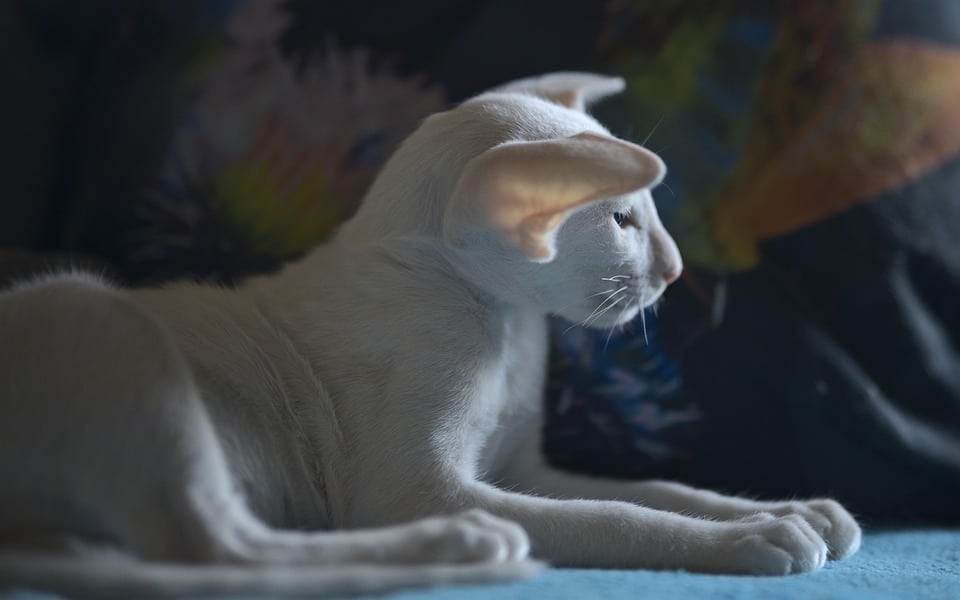
The Playful Companion: Caring for Your Oriental Shorthair Cat
Oriental Shorthair cats are enchanting, playful, and intelligent companions steeped in a rich history. They are famous for their striking looks and vibrant personalities, making them a popular choice among pet owners and animal lovers. In this article, we’ll delve into the uniqueness of the Oriental Shorthair breed, cover their care requirements, and explore how they can serve as emotional support animals (ESAs) to improve your emotional well-being.
Overview of the Oriental Shorthair Breed
History
The Oriental Shorthair was developed in the 1950s in the UK as part of a goal to create a variety of cats that resembled the Siamese but came in a wide range of colors and patterns. They are closely related to the Siamese and share many of its characteristics, but the Oriental Shorthair stands out due to its diverse coat colors and patterns.
Temperament and Personality Traits
The Oriental Shorthair is known for its playful and affectionate personality. Here are some key traits:
- Affectionate: They thrive on human companionship and enjoy socializing with people.
- Affectionately Curious: These cats possess a lively curiosity that keeps them engaged and active.
- Talkative: They often communicate through vocalizations and love engaging in conversations with their human family members.
- Intelligent: Highly trainable, they enjoy interactive toys and games that stimulate their minds.
Grooming Needs
Grooming an Oriental Shorthair is relatively easy. Their short coat requires minimal maintenance:
- Brushing: A weekly brushing session is usually enough to remove loose hair and reduce shedding.
- Bathing: Unless they get particularly dirty, baths are not frequently required.
- Nail Trimming: Regular nail trims help maintain their paw health.
- Dental Care: Regular dental check-ups and brushing help prevent dental problems.
Health Considerations
Like all breeds, Oriental Shorthair cats can be susceptible to certain health issues:
- Respiratory Problems: Due to their short noses, they can face respiratory challenges.
- Weight Management: Obesity can be a concern, making it vital to keep an eye on their diet and encourage play.
Suitability for Different Households
Oriental Shorthairs are adaptable, making them well-suited for various lifestyles:
- Families: They are typically good with children and can be playful companions.
- Singles and Couples: Their affectionate nature makes them excellent pets for individuals and couples seeking companionship.
- Active Households: They thrive in homes that provide ample stimulation and attention.
Caring for Your Oriental Shorthair
Training and Socialization Tips
- Start Early: Begin training and socializing as a kitten to instill good habits and reduce anxiety.
- Positive Reinforcement: Use treats and praise to encourage desired behaviors.
- Interactive Play: Engage them with toys, puzzles, and games to nurture their intelligence and curiosity.
Daily Care Essentials
- Nutrition: Choose high-quality cat food to meet their nutritional needs. Consult with a vet for personalized advice.
- Hydration: Ensure your cat has access to fresh water at all times.
- Vet Visits: Schedule regular check-ups to monitor their health and vaccinations.
Understanding Emotional Support Animals (ESAs)
What is an ESA?
An emotional support animal (ESA) is a pet that provides comfort and emotional support to individuals suffering from mental health issues like anxiety, depression, or PTSD. Unlike service animals, ESAs do not need specialized training to perform specific tasks; their mere presence can have a therapeutic effect.
Benefits of Designating Your Pet as an ESA
- Emotional Comfort: Having an ESA can offer profound comfort in times of stress or anxiety.
- Reduction in Anxiety: Many people report feeling less anxious and more secure in the presence of their ESAs.
- Improved Mood: Interacting with pets boosts serotonin and dopamine levels, leading to improved moods.
Emotional Health Benefits of Oriental Shorthairs and Other Pets
Key information
- Oriental Shorthairs are affectionate and playful, making them excellent companions.
- They require minimal grooming and have specific health considerations.
- They can serve as emotional support animals, providing comfort and reducing anxiety.
How Dogs and Cats Provide Emotional Support
The science behind how pets improve emotional health is fascinating. Research shows that interacting with animals can:
- Lower Stress Levels: Physical contact with pets releases oxytocin, a hormone associated with bonding, which helps reduce stress.
- Enhance Mood: Playing with pets can lead to the increase of brain chemicals that improve mood and reduce feelings of loneliness.
- Foster Connections: Pets encourage social interaction, which can lead to stronger community bonds and reduce feelings of isolation.
Real-life Examples:
- A young adult with anxiety found that cuddling her Oriental Shorthair enabled her to manage her panic attacks more effectively.
- A family reported that their cat provided solace during a difficult time of loss, helping them process their emotions more healthily.
Frequently Asked Questions (FAQs)
-
Can any pet be an ESA?
- Yes, most pets can function as ESAs, but they mainly need to provide emotional support and companionship.
-
Do I need a certification for my pet to be an ESA?
- While there’s no official certification required, having documentation from a licensed mental health professional can be essential for housing or travel purposes.
-
What’s the difference between an ESA and a service animal?
- Service animals undergo specific training to assist individuals with disabilities, while ESAs provide comfort but do not carry out specific tasks.
-
Can I take my ESA with me on a plane?
- Policies vary by airline, so check with them about traveling with your ESA.
-
What documentation do I need for my ESA?
- You typically need an ESA letter from a licensed mental health professional explaining your need for support.
-
Is it okay to have multiple ESAs?
- Yes, as long as each animal provides the necessary emotional support.
-
Can my cat or dog become an ESA if they are not trained?
- Yes, ESAs do not require special training, but their presence should provide you with emotional comfort.
-
What qualities should I look for in an ESA pet?
- Look for a pet that is calm, friendly, and responsive to your emotional cues.
-
Can ESAs live in “no-pet” housing?
- Some laws protect ESAs, allowing them to live in no-pet environments with proper documentation.
-
What if I need to part with my ESA?
- This can be difficult, but many organizations and professionals can help ease the transition.
Conclusion
Owning an Oriental Shorthair cat can be a joyful experience that enriches your life. Not only do these playful companions bring love and entertainment, but they can also serve as Emotional Support Animals, significantly enhancing your emotional well-being.
For those interested in exploring the benefits of emotional support animals, consider getting your pet certified as an ESA. Veripaw.org is a trusted resource to help you connect with licensed mental health professionals, obtain ESA documentation, and access high-quality pet accessories. Since 2012, Veripaw has assisted pet owners in finding the emotional support they need through their beloved companions. Take the first step toward a healthier, happier life with your furry friend today!


