
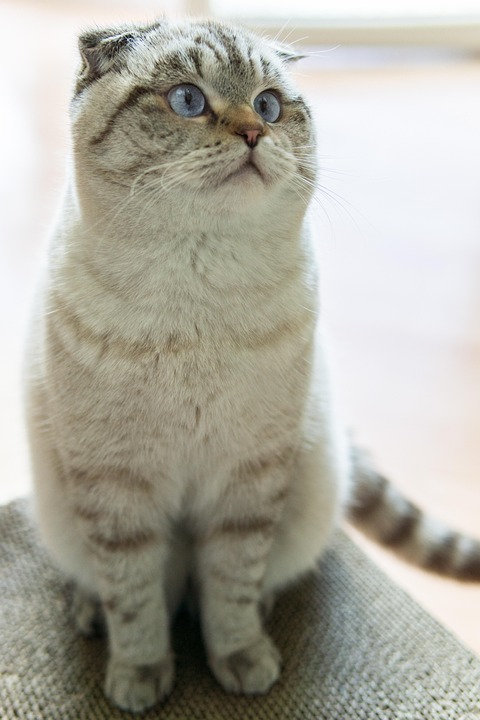
Scottish Folds: The Adorable Companions You Didn’t Know You Needed
Overview of Scottish Folds
Scottish Folds are exceptionally charming cats beloved for their unique appearance, primarily characterized by their distinctive folded ears. This breed was discovered in Scotland in the 1960s when a cat named Susie gave birth to a litter with unusual ear shapes. Over time, breeders recognized the mutation that caused the ears to fold forward and down, leading to the creation of the Scottish Fold breed. These cats not only have an adorable look but also boast engaging personalities that make them wonderful companions.
Temperament and Personality Traits
Scottish Folds are known for their affectionate and gentle nature. They are typically friendly and enjoy being in the company of their human families. Their easy-going demeanor allows them to adapt well to various living situations, whether in an apartment or a larger home. Highly social and playful, they usually get along well with other pets and children.
Despite their playful side, they can also enjoy quiet moments, often seen lounging in sunny spots or curling up next to their owners. This balance of energy makes them ideal for a wide range of households.
Grooming Needs
When it comes to grooming, Scottish Folds are relatively low maintenance. Their short-haired varieties require occasional brushing to reduce shedding and keep their coats looking sleek. Long-haired Folds need more attention, as regular combing helps prevent mats and tangles. Also, regular check-ups for ear cleanliness are essential, especially given their unique ear shape, which can trap dirt.
Health Considerations
While generally healthy, Scottish Folds can be prone to specific health issues, including osteochondrodysplasia, a genetic condition affecting cartilage development. This condition can lead to painful bone and joint problems. To avoid health issues, it’s crucial to obtain a Scottish Fold from a responsible breeder who screens for genetic diseases.
Suitability for Different Households
Scottish Folds are adaptable and suitable for various households. They thrive in environments where they can socialize and play. However, it’s essential to provide them with mental stimulation, toys, and interaction to prevent boredom. These cats make excellent companions for individuals or families, but prospective owners should consider their ability to dedicate time to socialization and play.
Tips for Training and Socialization
Training a Scottish Fold is generally straightforward. Here are some tips:
- Start Early: Begin socialization and basic training as a kitten to instill good habits.
- Positive Reinforcement: Use treats and praise to encourage desirable behaviors.
- Interactive Play: Engage them with toys that promote physical activity and stimulate their intellect.
- Consistency: Be consistent in training commands and routines to help your cat grasp concepts more easily.
emotional support animals (ESA)
An emotional support animal (ESA) is a pet that provides emotional comfort and psychological support to individuals with emotional or mental health issues. Unlike service animals, ESAs do not require specialized training to perform specific tasks. They are simply there to be companions, offering love and comfort to aid their owners in stressful situations.
A pet designated as an ESA can significantly enhance emotional health. For instance, a Scottish Fold curling up on a lap can provide a soothing presence during moments of anxiety or sadness.
Mental and Emotional Health Benefits
Having a pet by your side can lead to observable mental and emotional health benefits. Here are some key advantages:
- Reduction in Anxiety: Pets can provide comfort during anxious moments, allowing their owners to feel less isolated.
- Increased Happiness: Animals are known to trigger the release of oxytocin, the “bonding hormone,” making their owners feel loved and valued.
- Routine and Structure: Caring for a pet requires a daily routine, which can help individuals manage their time and priorities better.
- Source of Unconditional Love: Pets offer emotional support without judgment, which is particularly comforting to those dealing with mental health issues.
Real-life Examples
Many people report having their lives transformed through the emotional support of their pets. For instance, a woman suffering from depression found solace in her Scottish Fold, who would sit beside her during particularly tough days. Its presence brought her comfort and motivated her to get out of bed when she felt overwhelmed.
Key Information
- Origin: Scottish Folds were discovered in the 1960s in Scotland.
- Temperament: Gentle, affectionate, and playful.
- Grooming: Generally low maintenance; short-haired varieties require occasional brushing, while long-haired ones need regular combing.
- Health: Prone to specific genetic health issues, so responsible breeding is important.
- Suitability: Great for various households and social environments.
How Dogs and Cats Provide Emotional Support
The bond between pets and humans is backed by science, revealing how animals can enhance emotional health. Pets can improve mental resilience by promoting feelings of security and stability. Their unconditional affection often helps reduce symptoms of anxiety and depression.
Studies show that interacting with pets can lower cortisol levels (the stress hormone) while increasing serotonin and dopamine levels, which contribute to feelings of happiness. The simple act of petting a dog or cat can lower a person’s heart rate and stress levels, creating a soothing environment.
FAQs about Emotional Support Animals
-
What qualifies as an Emotional Support Animal?
- Any animal that provides emotional support can be an ESA, though dogs and cats are the most common.
-
How can I get my pet certified as an ESA?
- You can obtain certification through licensed mental health professionals who understand ESA documentation requirements.
-
Do ESAs have the same rights as service animals?
- No, ESAs do not have the same access rights as service animals under the ADA. Their access to public spaces may vary.
-
Can I train my cat to be an ESA?
- While ESAs do not require specific training, socializing your pet early can help them be more comfortable in various situations.
-
What documentation do I need for an ESA?
- A signed letter from a licensed mental health professional stating that you need the emotional support of your animal.
-
Can my landlord refuse my ESA?
- Under certain laws, landlords cannot refuse ESAs, but it’s crucial to provide proper documentation.
-
How can my ESA help me during tough times?
- ESAs can provide companionship, emotional support, and comfort, easing feelings of isolation during difficult times.
-
Are there any fees associated with obtaining ESA documentation?
- Yes, there may be fees depending on the professional providing the letter.
Conclusion
If you’re considering acquiring a pet for companionship and emotional support, a Scottish Fold may just be the adorable companion you didn’t know you needed. Their affectionate nature can bring joy and peace into your home. For those looking to have their pet certified as an Emotional Support Animal, Veripaw.org is a trusted resource. Since 2012, they have connected pet owners with licensed mental health professionals and assisted in obtaining ESA documentation while providing access to high-quality pet accessories. Don’t wait for joy—discover how an ESA can improve your life today!


