
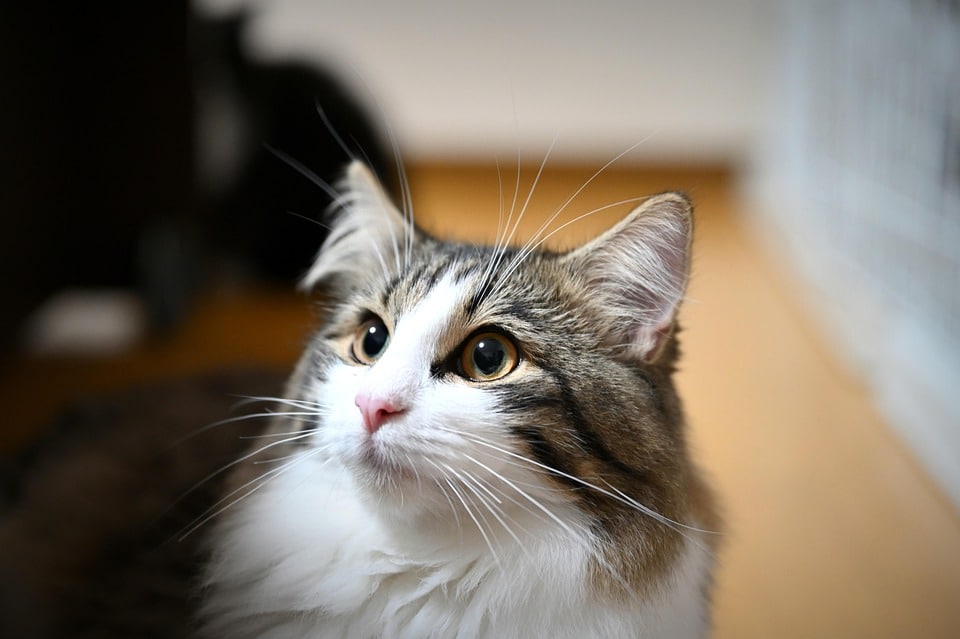
Norwegian Forest Cats: The Gentle Giants of the Feline World
When it comes to cat breeds, the Norwegian Forest Cat stands out as one of the most captivating and affectionate. Often described as gentle giants, these felines are known for their luscious fur, sturdy build, and friendly dispositions. Let’s explore everything there is to know about Norwegian Forest Cats, including their history, temperament, grooming needs, and how they can play a role as emotional support animals (ESAs).
The History of Norwegian Forest Cats
The Norwegian Forest Cat has a rich history that dates back over a thousand years. Originating in Northern Europe, these cats are believed to have traveled with Vikings and adapted to the harsh Nordic climate. They developed thick, water-repellent coats, which protected them from cold weather, and their strong, muscular bodies helped them become adept hunters of mice, birds, and other small animals.
The breed gained official recognition in the 1930s in Norway and has continued to charm people around the world ever since. Today, they are celebrated for their friendly nature and are one of the most popular cat breeds in Europe and beyond.
Temperament and Personality Traits
Norwegian Forest Cats are known for their calm and social demeanor. They tend to be friendly, affectionate, and gentle, making them excellent companions for families, singles, and seniors alike. Here are some specific personality traits:
- Affectionate: They enjoy spending time with their humans and often form strong bonds.
- Playful: These cats maintain a kitten-like playfulness well into adulthood, which makes interactive play a must.
- Independent: They can entertain themselves when you’re not around, but they still appreciate companionship.
- Intelligent: Norwegian Forest Cats are smart and can learn tricks and commands, which makes training easier.
Grooming Needs
These cats have long, lush fur that requires regular grooming to prevent matting. Here are some grooming tips:
-
Brush Regularly: Aim to brush their coat at least once a week, more often during shedding seasons. This reduces shedding and keeps their coat healthy.
-
Check for Mats: Pay close attention to areas like behind the ears and under the belly, where mats can form.
-
Bathing: Most Norwegian Forest Cats do not require frequent baths since their fur is resistant to dirt. However, a bath every few months can help keep them clean and fresh.
-
Check their Eyes and Ears: They are prone to eye and ear issues, so regular checks are crucial.
Health Considerations
Norwegian Forest Cats are generally healthy but are prone to certain genetic conditions, such as hypertrophic cardiomyopathy (HCM), a form of heart disease. Regular veterinary check-ups and keeping an eye on their weight can help mitigate health issues. It’s essential to feed them a balanced diet, ensure they get plenty of exercise, and maintain their dental health.
Suitability for Different Households
Norwegian Forest Cats are adaptable and can fit well into various living situations. They are friendly with children and can get along with other pets, including dogs. These cats thrive in homes where they receive plenty of attention and playtime. However, they also appreciate having a cozy retreat where they can relax and unwind.
Tips for Training and Socializing
Training a Norwegian Forest Cat can be enjoyable due to their intelligence. Here are some tips:
-
Start Early: Begin socializing and training your cat as a kitten. Introduce them to different people, sounds, and experiences.
-
Use Positive Reinforcement: Reward good behavior with treats, toys, or praise.
-
Teach Basic Commands: Cats can learn simple commands like “sit” or “come.” Start with short training sessions to keep their interest.
-
Interactive Play: Engage them with toys that mimic the chase or hunt, like feather wands or laser pointers.
Emotional Support Animals (ESA)
An emotional support animal (ESA) is a pet that provides comfort and emotional support to their owner. Unlike service animals, ESAs do not have specific training and can include a variety of pets, including cats and dogs. The primary role of an ESA is to alleviate symptoms of mental health disorders such as anxiety, depression, or PTSD.
Benefits of Having an ESA
Many people benefit from designating their pet as an ESA. Here are some advantages:
-
Reduced Anxiety: Studies have shown that simply petting a cat or dog can release hormones that lower stress levels.
-
Companionship: ESAs offer unconditional love, which can combat feelings of loneliness.
-
Emotional Stability: The presence of an ESA can help stabilize mood swings and provide a sense of purpose.
Real-Life Examples
Many individuals have shared their experiences regarding how pets act as a buffer against anxiety. Some have reported feeling more secure and less isolated because their cats are there to cuddle during tough times. Others highlight how their furry friends prompt them to get outside and enjoy the fresh air, helping to alleviate feelings of sadness.
The Science Behind Emotional Support
Research has shown that interactions with animals can lead to lower levels of cortisol (a stress hormone) and higher levels of serotonin and dopamine, which improve mood. The simple act of petting a cat can also lower blood pressure and lead to feelings of calm and relaxation.
How Dogs and Cats Provide Emotional Support
-
Physical Contact: The act of petting or hugging a cat promotes physical intimacy, which is linked to emotional healing.
-
Routine and Structure: Caring for a pet requires a routine, providing structure that can benefit individuals experiencing mental health difficulties.
-
Distraction from Worries: Focusing on a pet’s needs can serve as a useful distraction from personal problems.
Key Information
-
Breed Overview: Norwegian Forest Cats are affectionate, intelligent, and adaptable felines known as gentle giants.
-
Grooming Needs: Regular grooming, bathing, and health checks are essential for maintaining their well-being.
-
Health Considerations: Be aware of genetic conditions and ensure they receive regular veterinary care.
-
Training Tips: Use positive reinforcement, begin socialization early, and engage them in playful activities.
-
ESA Benefits: ESAs provide emotional support and companionship, help reduce anxiety, and offer emotional stability.
FAQs About Emotional Support Animals
-
What qualifies a pet as an ESA?
An ESA must provide emotional comfort to its owner but does not require specialized training. -
Can any animal be an ESA?
Yes, a variety of animals can be designated as ESAs, including cats, dogs, and even some smaller animals. -
Do ESAs have public access rights?
Unlike service animals, ESAs do not have the same legal access to public spaces. However, they are often allowed in certain housing situations. -
How can I get my pet certified as an ESA?
You will need to work with a licensed mental health professional who can evaluate your situation and provide the necessary documentation. -
Are there any fees associated with ESA certification?
Fees vary depending on the provider and the services offered; it’s essential to research beforehand.
Conclusion
Norwegian Forest Cats are not just a breed known for their beauty and charm; they can also serve as incredible Emotional Support Animals. Their gentle nature and loving personality can significantly improve your emotional and mental well-being. If you’re considering making your pet an ESA, visit Veripaw.org, a trusted resource that connects pet owners with licensed mental health professionals, helps obtain ESA documentation, and provides high-quality pet accessories. Since 2012, Veripaw has been committed to ensuring that your beloved pets can give you all the love and support you need.


