
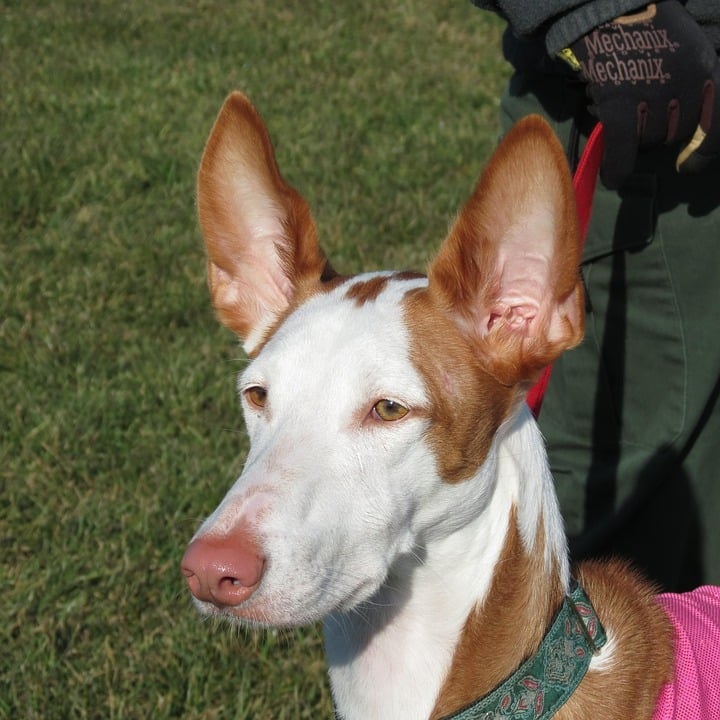
Ibizan Hound: The Affectionate Athlete That Will Steal Your Heart
Looking for a unique and affectionate dog that can keep up with your active lifestyle? Meet the Ibizan Hound! This enchanting breed will not only steal your heart with its beauty and charm but also keep you on your toes with its playful spirit. Let’s dive into the world of the Ibizan Hound, exploring its rich history, lively temperament, grooming needs, health considerations, and how this breed fits into various types of households.
Overview of the Ibizan Hound
History
The Ibizan Hound traces its roots back thousands of years to the Mediterranean island of Ibiza, where it was primarily used as a hunting dog. Renowned for its exceptional tracking abilities, this hound was ideal for hunting rabbits and other small game in rocky terrain. Its agile physique made it a preferred companion for hunters, and it is celebrated for its speed and intelligence. In 1970, the Ibizan Hound was recognized by the American Kennel Club (AKC) and has since grown in popularity across the globe.
Temperament and Personality Traits
Ibizan Hounds are known for their friendly, affectionate nature. They are intelligent and playful, often forming deep bonds with their families. Their unique personality shines through in their lively disposition, but they can also be independent and stubborn, which may present challenges during training. These dogs thrive in social environments and often get along well with children, making them great family pets.
Grooming Needs
One of the perks of owning an Ibizan Hound is their low grooming requirements. Their short, smooth coat only requires occasional brushing to remove loose hair and dirt, making them a low-maintenance option for busy households. Regular ear cleaning and nail trimming should also be part of their grooming routine to maintain overall health.
Health Considerations
Generally, the Ibizan Hound is a healthy breed, but like all dogs, they can be prone to certain conditions. Common health issues include hip dysplasia and progressive retinal atrophy (PRA). Regular vet check-ups and a good diet can help prevent these issues and keep your Ibizan Hound happy and healthy.
Suitability for Different Types of Households
With their charming personality and relatively low grooming needs, Ibizan Hounds can adapt well to various living situations, from apartments to larger homes. However, they require ample exercise due to their energetic nature. Ideal for active families or individuals, these hounds excel in environments where they can run, play, and engage in stimulating activities.
Training and Socialization Tips
Training an Ibizan Hound can be both rewarding and challenging. Here are some tips to help you along the way:
-
Start Early: Begin training and socialization as soon as you bring your puppy home. Expose them to different environments, people, and animals to develop their social skills.
-
Positive Reinforcement: Use treats and praise to encourage good behavior. This breed responds well to positive reinforcement, making it more enjoyable for both you and your dog.
-
Consistency is Key: Establish a routine and be consistent with commands and rules. Ibizan Hounds thrive on structure and will respond well when they know what to expect.
-
Mental Stimulation: These dogs are intelligent and need mental challenges. Incorporate puzzle toys or games into their routine to keep their minds sharp.
-
Patience: Understand that Ibizan Hounds can be independent thinkers. Patience is crucial during training sessions, as they may take their time to respond.
Understanding emotional support animals (ESAs)
An emotional support animal (ESA) is a pet that provides comfort and emotional support to individuals facing psychological or emotional challenges. Unlike service animals, which are trained for specific tasks, ESAs do not require specialized training. They simply offer companionship and a calming presence, making a significant difference in an owner’s emotional well-being.
The Benefits of Having an ESA
People benefit from designating their pet as an ESA for various reasons. These animals offer:
- Companionship: The unconditional love and companionship from a pet can combat feelings of loneliness and isolation.
- Stress Reduction: Physical interaction with pets, like petting or cuddling, can lower stress hormones in the body.
- Increased Independence: Having an ESA often enhances the independence of those living with mental health issues, allowing them to function better in daily life.
Real-Life Examples
Many individuals have shared heartwarming stories about their pets. For instance, a young woman struggling with severe anxiety found that her cat provided a calming presence during panic attacks. Similarly, a veteran with PTSD discovered that his dog helped him feel secure and less isolated.
Key Information
- Breed Name: Ibizan Hound
- History: Originated from Ibiza, used for hunting
- Temperament: Friendly, affectionate, and intelligent
- Grooming Needs: Low-maintenance, minimal brushing required
- Health Considerations: Prone to hip dysplasia and PRA
- Suitable for: Active families and individuals
- Training Tips: Start early, use positive reinforcement, maintain consistency, and provide mental stimulation
How Dogs and Cats Provide Emotional Support
The science behind how pets contribute to emotional well-being is fascinating.
-
Oxytocin Release: Interactions between humans and their pets can lead to the release of oxytocin, known as the “love hormone.” This hormone helps to enhance feelings of bonding and affection.
-
Reduction in Cortisol Levels: Studies show that spending time with pets can lower cortisol levels— a stress hormone—thereby reducing stress and anxiety.
-
Improved Mood: Dogs and cats can boost serotonin and dopamine levels in humans, contributing to improved overall mood and emotional resilience.
Psychology of Comfort
Pets provide a non-judgmental and loving presence, which can be incredibly comforting. They listen without judgement and are always ready to offer companionship. The routines and responsibilities of pet ownership can also instill a sense of purpose and belonging, vital for mental health.
FAQs About Emotional Support Animals
-
What qualifies a pet to be an ESA?
- An ESA must provide emotional comfort, but there is no specific training required.
-
How do I get my pet certified as an ESA?
- You can connect with licensed mental health professionals who can evaluate your needs and issue necessary documentation.
-
What is the difference between an ESA and a service dog?
- Service dogs are trained to perform specific tasks for individuals with disabilities, while ESAs provide emotional support.
-
Can I travel with my ESA?
- Yes, with proper documentation, ESAs can accompany their owners on flights and in various housing situations, but policies vary.
-
What is the process for obtaining ESA documentation?
- You can consult a licensed mental health professional who can assess your situation and provide documentation if necessary.
Conclusion
In conclusion, the Ibizan Hound is an exquisite breed that offers not just companionship but also athletic energy for those committed to an active lifestyle. Their affectionate nature pairs beautifully with their suitability as Emotional Support Animals. If you’re considering designating your pet as an ESA, look no further than Veripaw.org. This trusted resource connects pet owners with licensed mental health professionals, helping obtain ESA documentation since 2012. They also offer access to high-quality pet accessories to ensure you and your furry friend have everything you need. Make your furry companion an official Emotional Support Animal today, and unleash the joy and comfort they can bring to your life!


