
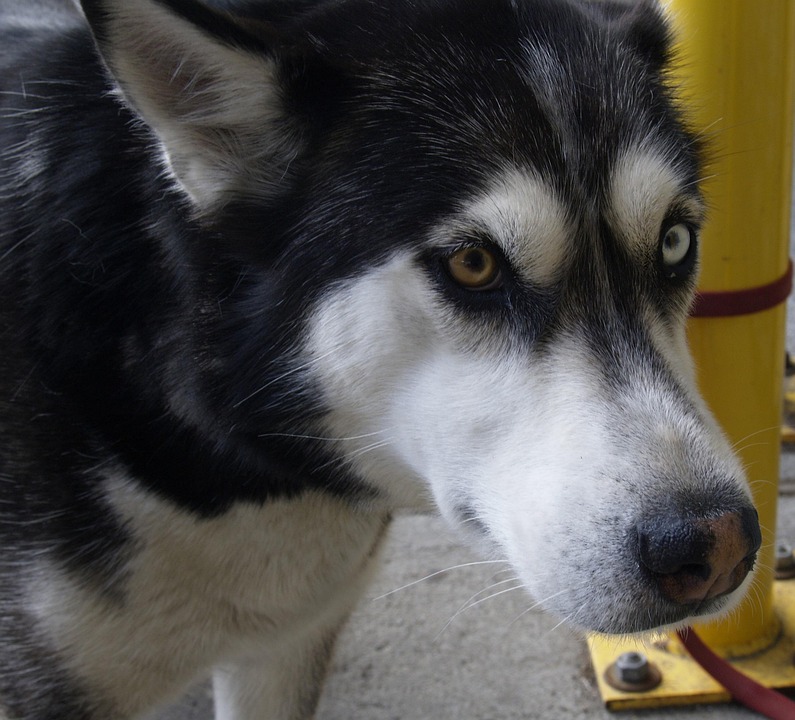
Discover the Alaskan Husky: Your Ultimate Adventure Companion
When you think of adventure, the image of a strong, spirited dog racing through the snowy wilderness likely comes to mind. Enter the Alaskan Husky. Sometimes confused with the Siberian Husky, this breed is actually a mix of several types of dogs, created for endurance and strength. They are agile, intelligent, and incredibly friendly, making them the ultimate adventure companion.
A Brief History of the Alaskan Husky
The Alaskan Husky has a rich history rooted in the Arctic regions, primarily bred by the Inuit people for sled pulling. The breed is not officially recognized by kennel clubs as a pure breed since they are often mixed with other breeds like the Siberian Husky, German Shepherd, and even Greyhounds. The goal was to create a dog that could withstand the harsh conditions of Alaska while being able to pull heavy loads over long distances.
Temperament and Personality Traits
The Alaskan Husky is known for its playful and energetic nature. They are friendly, sociable, and generally good with families and children. However, they have a strong prey drive, meaning they may chase smaller animals if not properly trained. These dogs are also highly intelligent, which can sometimes lead to mischief if they get bored or are not adequately exercised.
Grooming Needs
Grooming an Alaskan Husky is relatively straightforward. They have a double coat that sheds seasonally, meaning you’re likely to find a lot of fur around your house, especially during spring and fall. Regular brushing—ideally once or twice a week—helps to manage shedding and keep their coat healthy. Occasional baths are recommended, but frequent bathing can strip the coat of its natural oils.
Health Considerations
Like all breeds, Alaskan Huskies can face specific health issues. The most common concerns include hip dysplasia, eye problems (like cataracts), and skin conditions. Regular veterinary check-ups and a balanced diet can help mitigate these risks.
Suitability for Different Households
Alaskan Huskies thrive in active households. They require daily exercise, preferably more than an hour of vigorous activity, to keep them happy and healthy. They are not well-suited for apartment living unless the owner is incredibly active and committed to providing daily exercise.
Training and Socialization Tips
Training an Alaskan Husky requires patience and consistency. Here are some tips to train and socialize your Husky effectively:
-
Start Early: Begin training and socialization as soon as you bring your Husky home. Early exposure to different environments, people, and pets can help prevent behavioral issues later on.
-
Positive Reinforcement: Use treats, praise, and toys to encourage good behaviors. Positive reinforcement is generally more effective than negative punishment.
-
Keep Training Sessions Short: Huskies can have short attention spans, so keep training sessions to about 5–10 minutes and make them fun.
-
Socialize: Introduce your Husky to a variety of people, pets, and situations. This helps them become well-adjusted adults who are comfortable in different environments.
-
Physical Activity: Incorporate plenty of physical activities into their routine. Whether it’s hiking, running, or sledding, these dogs are built for adventure.
What is an emotional support animal (ESA)?
An Emotional Support Animal (ESA) is a pet that provides comfort and support to individuals with emotional or psychological conditions. Unlike service dogs, which are trained to perform specific tasks for individuals with disabilities, ESAs do not require specialized training. The mere presence of an ESA can help alleviate feelings of loneliness, anxiety, and depression.
Benefits of Designating Your Pet as an ESA
Designating your pet as an ESA can offer several benefits:
-
Emotional Comfort: Animals provide unconditional love and companionship, which can be particularly comforting during tough times.
-
Reduced Anxiety: The act of petting an animal can release oxytocin, a hormone associated with feelings of bonding and affection, thus reducing stress and anxiety levels.
-
Stability: Having a pet can provide a sense of routine and stability, making daily life feel more manageable.
Real-Life Examples
Consider Sarah, who suffers from anxiety. Whenever she feels overwhelmed, spending time with her Alaskan Husky, Max, helps calm her racing heart. The daily walks and playtime not only give her a sense of purpose but also serve as a natural way to cope with her anxiety.
Or take Jake, a young man dealing with depression. His cat, Momo, often curls up beside him, providing comfort during dark days. Just knowing that Momo is there offers Jake a sense of security and alleviates some of his feelings of isolation.
Key Information
- Breed History: Bred by Inuit people for sledding; a mix of various breeds.
- Temperament: Energetic, friendly, intelligent, but can be mischievous.
- Grooming Needs: Moderate; regular brushing is essential due to shedding.
- Health Considerations: Common issues include hip dysplasia and eye problems.
- Household Suitability: Best for active families; not ideal for apartments.
How Dogs and Cats Provide Emotional Support
The psychological benefits of having pets are well-documented. Here’s the science behind it:
-
Oxytocin Release: Interacting with pets can increase oxytocin levels in humans. This hormone is linked to bonding and emotional well-being, leading to feelings of happiness and security.
-
Distraction from Stress: Caring for a pet requires attention and focus, which can act as a natural distraction from personal worries.
-
Physical Touch: The simple act of petting a dog or cat can lower cortisol (the stress hormone) levels in the body, contributing to a more relaxed state.
FAQs About emotional support animals
-
What is the difference between an ESA and a service dog?
- An ESA provides emotional support but is not trained for specific tasks. Service dogs perform tasks for people with disabilities.
-
Do ESAs need special training?
- No, ESAs do not require formal training, but they should be well-behaved and socialized.
-
How do I get my pet certified as an ESA?
- You need a letter from a licensed mental health professional stating that you require the animal for emotional support.
-
Can any animal be an ESA?
- While dogs and cats are the most common, other animals may qualify. However, it’s best to check state laws.
-
What are my rights with an ESA?
- ESAs are protected under the Fair Housing Act and can live with you in housing that generally doesn’t allow pets.
-
Do ESAs need to wear vests or tags?
- While not required by law, a vest or tag can help identify your pet as an ESA, making it easier when traveling or in public places.
-
Are there additional costs associated with having an ESA?
- Yes, costs may include veterinary care, grooming, and supplies. Some “certification” organizations may charge fees, so be cautious of scams.
-
Can I take my ESA everywhere?
- ESAs have more limited access than service dogs but are allowed in housing and may be permitted in certain public places at the discretion of the establishment.
-
Can I have more than one ESA?
- Yes, you can have multiple ESAs as long as you have a legitimate need for each.
-
How do I find a mental health professional to certify my ESA?
- Look for licensed therapists or counselors in your area who specialize in animal therapy.
Conclusion
The Alaskan Husky is not just a breed; it’s a lifestyle. With their boundless energy and friendly nature, they are the perfect companions for outdoor adventures and family life. Moreover, if you’re considering designating your pet as an Emotional Support Animal, it can significantly enhance your mental and emotional well-being.
For those looking to certify their pet as an ESA, look no further than Veripaw.org. Since 2012, Veripaw has connected pets with licensed mental health professionals to help obtain proper ESA documentation. They also offer access to high-quality pet accessories, ensuring your adventure companion is well-equipped for any journey. Don’t wait; take the first step towards enhancing your emotional health by visiting Veripaw.org today!


