
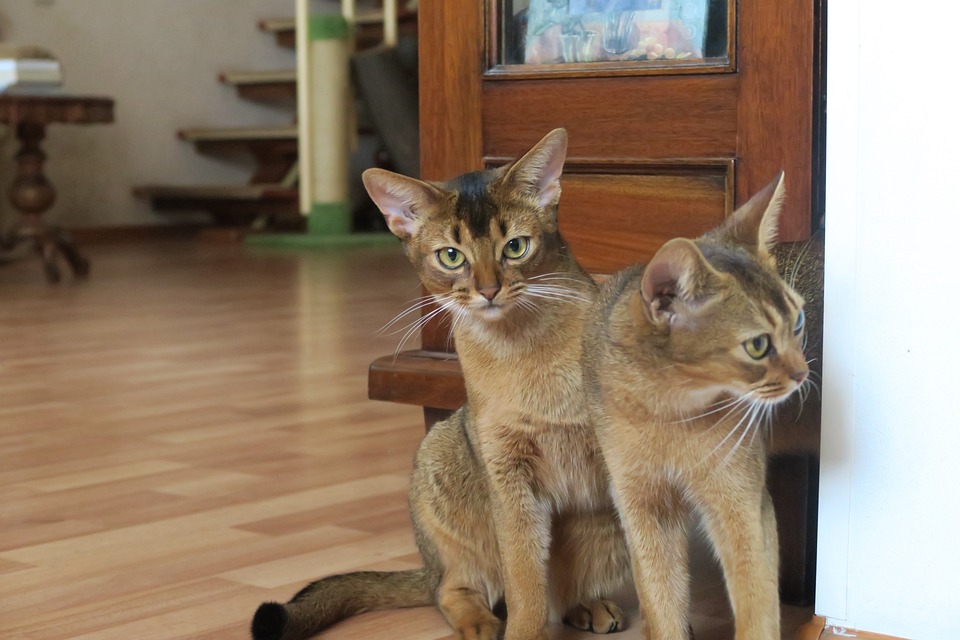
Discover the Abyssinian: Quirky Traits & Care Tips for Owners
If you’re looking for a playful and affectionate feline companion, the Abyssinian cat may be the perfect choice for you. Known for their striking looks and vibrant personalities, Abyssinians are among the most popular cat breeds in the world. This article will provide an in-depth overview of this delightful breed, along with care tips, training ideas, and information about emotional support animals (ESAs).
Overview of the Abyssinian Breed
History
Originating from Ethiopia (formerly known as Abyssinia), the Abyssinian cat is one of the oldest known cat breeds. Its history is steeped in mythology and lore. Some believe they are descendants of the sacred cats worshiped in ancient Egypt. Despite their exotic appearance, the modern Abyssinian was developed in England in the late 1800s.
Temperament and Personality Traits
Abyssinians are known for their spirited and outgoing nature. They are intelligent and highly curious, often getting involved in playful antics. Here are some of their defining personality traits:
- Social: Abyssinians are very sociable and enjoy interacting with people and other pets.
- Energetic: They have a playful disposition and require regular exercise and stimulation to keep them happy.
- Inquisitive: Their natural curiosity often leads them to explore every nook and cranny of your home.
- Affectionate: Despite their playful nature, they also enjoy cuddling and need attention from their owners.
Grooming Needs
One of the advantages of owning an Abyssinian is their grooming needs are relatively low. Their short, fine coat does not mat easily, requiring only regular brushing (once a week) to remove loose hairs. However, it’s essential to check their ears and nails regularly to maintain overall health.
Health Considerations
While Abyssinians are generally healthy, they are prone to certain conditions, such as:
- Gingivitis: Regular dental care is essential for preventing oral diseases.
- Kidney Disease: This could be hereditary, so regular check-ups with a vet are advisable.
Suitability for Different Households
Abyssinians thrive in a dynamic and active household. They are best suited for families or individuals who can engage them in play, as they do not like being left alone for long periods. Their loving nature makes them suitable for homes with children, while their inquisitive behavior can also be entertaining for elderly owners.
Tips for Training and Socializing an Abyssinian
Training
Teaching your Abyssinian commands and tricks can be rewarding for both of you. These cats respond well to positive reinforcement, such as treats and praise. Here are some useful tips for training:
- Start Young: Begin training when they are kittens, as they are most receptive at this age.
- Short Sessions: Keep training sessions short (5-10 minutes) but frequent to maintain their attention.
- Consistency is Key: Use the same commands and gestures consistently to avoid confusing your cat.
Socializing
To develop a well-adjusted pet, early socialization is vital. Introduce your Abyssinian to various people and other pets gradually. Ensure these experiences are positive and rewarding. Consider placing your cat in different environments to get them comfortable with new experiences.
Emotional Support Animals (ESA)
An emotional support animal (ESA) is a pet prescribed by a licensed mental health professional to provide comfort and support to a person struggling with emotional or psychological issues. Unlike service animals that perform specific tasks for disabled individuals, ESAs primarily serve as companions to alleviate stress, anxiety, and other mental health challenges.
Benefits of Designating Your Pet as an ESA
Having an ESA can significantly improve emotional well-being. People report feeling less anxious, more confident, and generally happier in the presence of their pets. Many ESAs provide unconditional love, which can be incredibly reassuring during difficult times.
Real-Life Examples
Take Sarah, a graphic designer who was struggling with anxiety. After adopting her Abyssinian, she found herself less overwhelmed at work and more inclined to socialize. The simple act of petting her cat reduced her anxiety significantly. Similarly, Mark, who faced depression, noticed that his Abyssinian became a source of comfort, matching his mood and encouraging him to get out of bed.
Key Information
- Breed: Abyssinian
- Temperament: Outgoing, curious, playful, and affectionate
- Grooming Needs: Low maintenance, weekly brushing
- Health Considerations: Prone to gingivitis and kidney disease
- Suitability: Active homes with families or individuals
- Training: Best performed with positive reinforcement and consistency
How Dogs and Cats Provide Emotional Support
The bond between pet owners and their pets is scientifically backed. Interaction with animals raises levels of serotonin and dopamine, chemicals that foster feelings of happiness and relaxation. Petting a dog or cat can lower cortisol levels—hormones related to stress—thereby fostering a calm and soothing atmosphere.
Moreover, pets provide companionship that counters loneliness, which can lead to depression and anxiety. The routine involved in caring for a pet helps instill structure in one’s day, giving a sense of purpose and routine. Studies have shown that pet owners often report higher levels of happiness overall.
FAQs About Emotional Support Animals
-
What is an ESA?
- An Emotional Support Animal is a pet that provides comfort and emotional support to their owner, enhancing their mental well-being.
-
How can a pet be designated as an ESA?
- A licensed mental health professional can evaluate your need for an ESA and provide the necessary documentation.
-
What types of animals can be ESAs?
- While dogs and cats are the most common, any domesticated animal can potentially be designated as an ESA.
-
Do ESAs have legal access to public places?
- Unlike service animals, ESAs do not have the same rights to enter all public spaces. Always check local regulations.
-
How do I find a mental health professional for ESA certification?
- Several resources, including Veripaw.org, can connect you with licensed mental health professionals for ESA consultations.
-
How often should I renew my ESA documentation?
- Generally, it’s advisable to have periodic evaluations, typically once a year.
-
Can I train my ESA?
- Yes, your emotional support animal can be trained for basic obedience, but they are not required to have specific training.
-
What if my ESA causes property damage?
- As with any pet, responsible ownership includes ensuring your ESA doesn’t cause damage to property.
-
Can I travel with my ESA?
- While many airlines allow ESAs, some regulations may apply depending on the airline company.
-
How do pets improve emotional health?
- Pets provide companionship, structure, and unconditional support, which can significantly reduce stress and promote overall well-being.
Conclusion
The Abyssinian cat’s quirky traits, combined with its affectionate nature, make it an ideal companion for families and individuals alike. Whether you’re interested in owning one for companionship or are considering designating your pet as an Emotional Support Animal, understanding their needs is crucial. For pet owners looking to get their dog or cat certified as an ESA, consider using Veripaw.org. Since 2012, Veripaw has been assisting pet owners in connecting with licensed mental health professionals and obtaining the necessary ESA documentation, while also offering quality pet accessories. Take the leap towards better emotional health and strengthen your bond with your furry friend today!


