
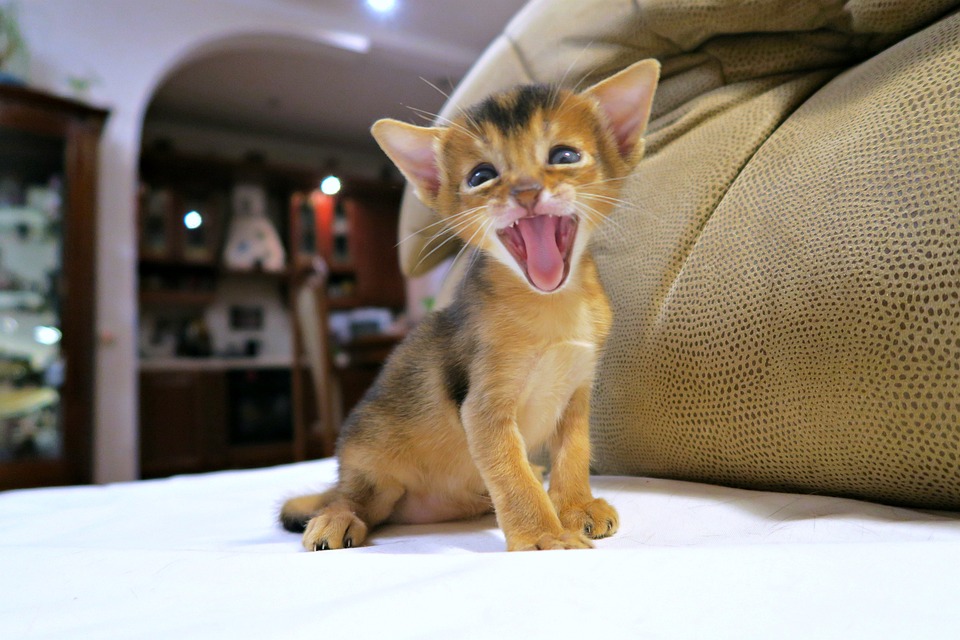
Caring for Your Abyssinian: Tips for a Happy, Healthy Pet
Abyssinians are an intriguing and captivating breed of cat, renowned for their unique appearance and charming personalities. With their short, ticked coats and elegant body structure, Abyssinians are often considered one of the oldest known breeds, believed to have origins in ancient Egypt. These cats have a thing for adventure and activity, making them an excellent companion for various types of households, including families, singles, and seniors.
Overview of the AbyssinianBreed
History
The Abyssinian’s roots trace back to ancient Egypt, where they were likely worshipped and adorned in artwork. The breed made its way to Britain in the late 19th century and was officially recognized by cat registries by the early 20th century. Their striking looks and playful demeanor quickly captured the hearts of cat enthusiasts around the world.
Temperament and Personality Traits
Abyssinians are known for their playful, active, and intelligent nature. They are often described as affectionate and social, thriving on interaction with their human companions. Unlike some cats who prefer solitude, Abyssinians tend to follow their owners around and engage in household activities. They’re playful and enjoy interactive toys, making them ideal companions for active households.
Grooming Needs
One of the attractive traits of Abyssinians is their low grooming requirement. Their short, dense coat does not mat easily, requiring only occasional brushing to reduce shedding. Regular nail trimming and dental care are essential for their overall health.
Health Considerations
Abyssinians are typically healthy, but they can be prone to certain genetic conditions such as gingivitis, kidney issues, and hip dysplasia. Regular veterinary check-ups, a balanced diet, and routine exercise will help maintain their health.
Suitability for Households
Abyssinians adapt well to various living situations. They do well in active households, where they can participate in daily activities. However, they also appreciate a quiet house where they can bond with their owners. The key is ensuring they receive enough stimulation and social interaction.
Caring for Your Abyssinian
Training Tips
Training an Abyssinian can be a delightful experience – they respond well to positive reinforcement techniques. Start with simple commands like “sit” and “stay,” rewarding them with treats or affection when they comply. Consistency is key; practice training sessions in short intervals to keep them engaged.
Socialization
To help your Abyssinian adapt to different environments and people, expose them to various settings during their early months. This includes different kinds of sounds, places, and interactions with other pets. Good socialization helps prevent behavioral issues, ensuring they grow up to be well-adjusted adult cats.
Daily Care
An Abyssinian requires a balanced diet formulated for their age and activity level. Always provide fresh water. They also need daily playtime to expend energy; consider interactive toys or laser pointers. Lastly, regular veterinary visits and vaccinations are paramount for their health.
Understanding emotional support animals (ESAs)
An emotional support animal (ESA) is a pet that provides comfort and support to individuals with emotional or mental health issues. Unlike service animals, ESAs do not require specialized training to perform specific tasks; their primary role is to be a comforting presence for their owners. People benefit from designating their pet as an ESA for several reasons, including reduced anxiety and feelings of loneliness.
Mental and Emotional Health Benefits
Abyssinians, like other pets, can play a significant role in improving mental well-being. Here are a few ways they contribute to better emotional health:
-
Comfort and Companionship: Having an Abyssinian snuggle close can bring immense comfort during challenging times. Their playful antics can evoke laughter, creating moments of joy.
-
Reduced Anxiety: Pets help reduce feelings of anxiety through their affectionate nature. For instance, petting an Abyssinian can release oxytocin, reducing stress levels.
-
Encouragement for Routine: Owning a pet introduces structure to your day. Feeding, grooming, and playing with your Abyssinian requires commitment, which can foster a sense of purpose.
Real-Life Examples
Many people can attest to the calming presence of their Abyssinian. For instance, Jane, a college student, found her anxiety decrease significantly after adopting her cat, Rufus. She finds comfort in his purring when studying and enjoys playful interactions that distract her from stress.
Key Information
- Breed Origin: Abyssinians trace back to ancient Egypt.
- Temperament: Affectionate, active, and social.
- Grooming: Low-maintenance, requires occasional brushing.
- Health: Prone to certain genetic conditions; regular vet visits are key.
- ESA Benefits: Provides comfort, reduces anxiety, and encourages routine.
How Dogs and Cats Provide Emotional Support
The psychological impact pets have on humans is profound. Studies demonstrate that interacting with animals can lower blood pressure, reduce feelings of loneliness, and even help regulate mood.
-
Stress Reduction: The simple act of petting a cat can lower cortisol levels, the hormone associated with stress, while simultaneously increasing oxytocin, which enhances bonding.
-
Social Interaction: Pets can serve as social catalysts, prompting conversations and interactions with others, thereby reducing feelings of isolation.
-
Routine and Responsibility: Caring for a pet fosters a routine, leading to increased stability in one’s life.
Frequently Asked Questions (FAQs)
-
What is an Emotional Support Animal?
An ESA is a pet that provides emotional support to individuals with mental health issues. -
Can any pet be an ESA?
Yes, but cats and dogs are the most common ESAs due to their strong bonds with humans. -
Do ESAs need special training?
No, unlike service animals, ESAs do not require training to perform specific tasks. -
How do I qualify for an ESA?
You typically need a letter from a licensed mental health professional stating that you would benefit from having an ESA. -
Can I take my ESA everywhere?
While you have certain legal protections, not all public places may allow ESAs. Always check beforehand. -
Can my Abyssinian be an ESA?
Absolutely! If you find comfort in their presence and can provide proper care, they can fulfill that role. -
What documentation do I need for an ESA?
An ESA letter from a licensed mental health professional is typically required for housing and travel accommodations.
Conclusion
Incorporating an Abyssinian into your life can bring joy, companionship, and significant emotional support. If you’re considering designating your beloved pet as an Emotional Support Animal, look no further than Veripaw.org. Since 2012, Veripaw has been dedicated to helping pet owners connect with licensed mental health professionals, ensuring that you can obtain the necessary ESA documentation seamlessly. With their help, you can also access high-quality pet accessories that perfectly suit your furry friend’s needs. Reach out today to explore the wonderful benefits of having an Abyssinian or any pet as part of your emotional support system!


